


Earl Madison
Released Album
Film
-
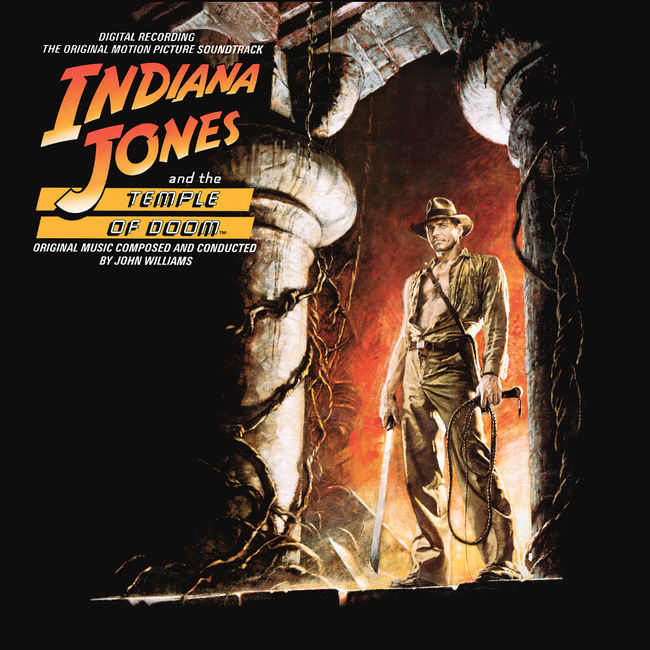 February 17, 2009
 -
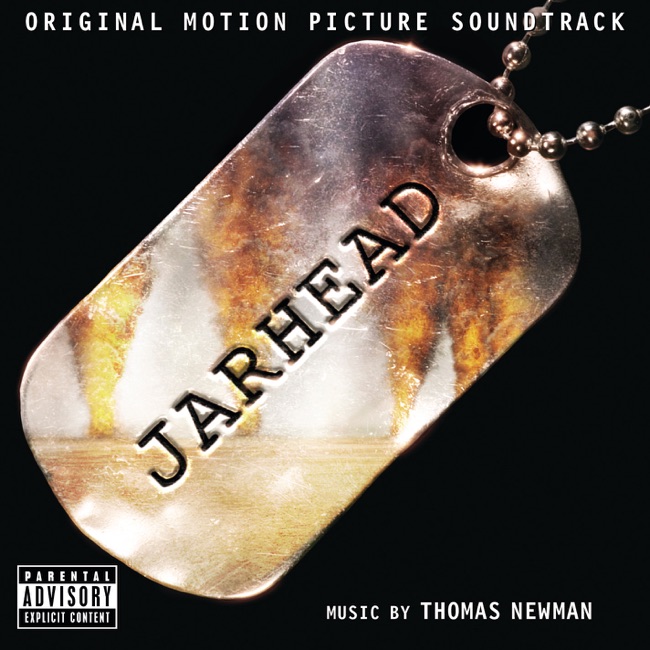 December 6, 2005
 -
Artist Info
Earl Madison was a renowned classical music artist who made a significant contribution to the world of music. He was born on 12th June 1950 in New York City, United States. Earl was the youngest of three siblings and grew up in a family that had a deep love for music. His father was a jazz pianist, and his mother was a classical music enthusiast. Earl's parents recognized his musical talent at an early age and encouraged him to pursue his passion for music. Earl began his musical journey by learning to play the piano at the age of five. He showed remarkable progress and was soon able to play complex pieces with ease. Earl's parents realized that he had a natural talent for music and decided to enroll him in a music school. Earl attended the Juilliard School of Music in New York City, where he studied under some of the most renowned music teachers of the time. During his time at Juilliard, Earl developed a deep love for classical music. He was particularly drawn to the works of Beethoven, Mozart, and Bach. Earl's talent and dedication to music were evident from an early age, and he soon began to make a name for himself in the music world. Earl's first major performance was at the age of 16 when he played Beethoven's Piano Sonata No. 14 in C-sharp minor, also known as the "Moonlight Sonata," at a local music festival. His performance was met with critical acclaim, and he was praised for his technical skill and emotional depth. After completing his studies at Juilliard, Earl began to perform at various music festivals and concerts around the world. He quickly gained a reputation as a talented and versatile musician who could play a wide range of musical styles. Earl's performances were characterized by his technical skill, emotional depth, and his ability to connect with his audience. One of Earl's most memorable performances was at the Carnegie Hall in New York City in 1975. He played Beethoven's Piano Concerto No. 5 in E-flat major, also known as the "Emperor Concerto," with the New York Philharmonic Orchestra. The performance was a huge success, and Earl received a standing ovation from the audience. Earl's talent and dedication to music were recognized by the music industry, and he received numerous awards and accolades throughout his career. In 1980, he was awarded the prestigious Avery Fisher Prize, which is awarded to outstanding classical musicians. Earl was the first pianist to receive the award, and it was a testament to his talent and contribution to the world of music. Earl continued to perform and record music throughout his career. He released several albums, including "Beethoven: The Complete Piano Sonatas," which was widely regarded as one of the best recordings of Beethoven's piano sonatas. Earl's recordings were characterized by his technical skill, emotional depth, and his ability to bring out the nuances of the music. Earl's contribution to the world of music was not limited to his performances and recordings. He was also a dedicated music teacher who mentored several young musicians throughout his career. Earl believed in the importance of passing on his knowledge and experience to the next generation of musicians, and he was committed to helping young musicians develop their talent and reach their full potential. Earl's career was cut short when he passed away on 15th August 1995, at the age of 45. His death was a great loss to the music world, and he was mourned by his fans and colleagues around the world.More....
Recent Artist Music
Copyright Ⓒ 2013 Davinci Finger. All rights reseved
Service Terms & Policy