


Younghi Pagh-Paan
Released Album
Chamber
-
 June 18, 2021
 -
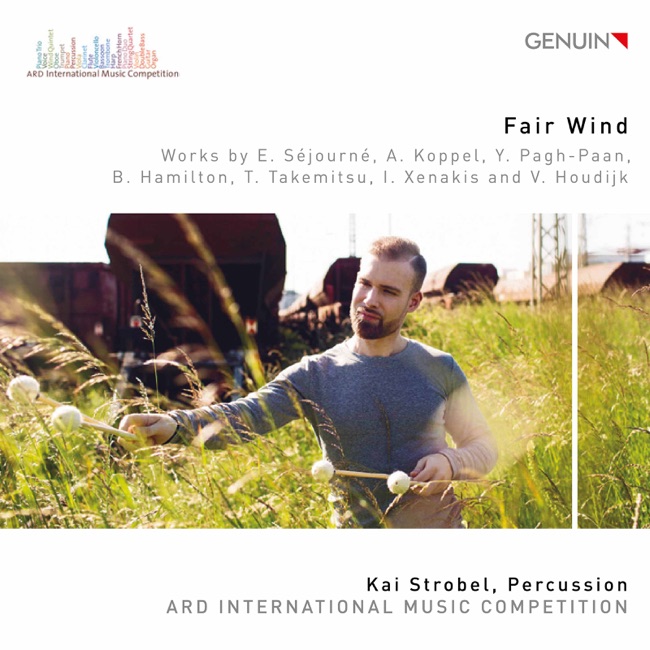 November 6, 2020
 -
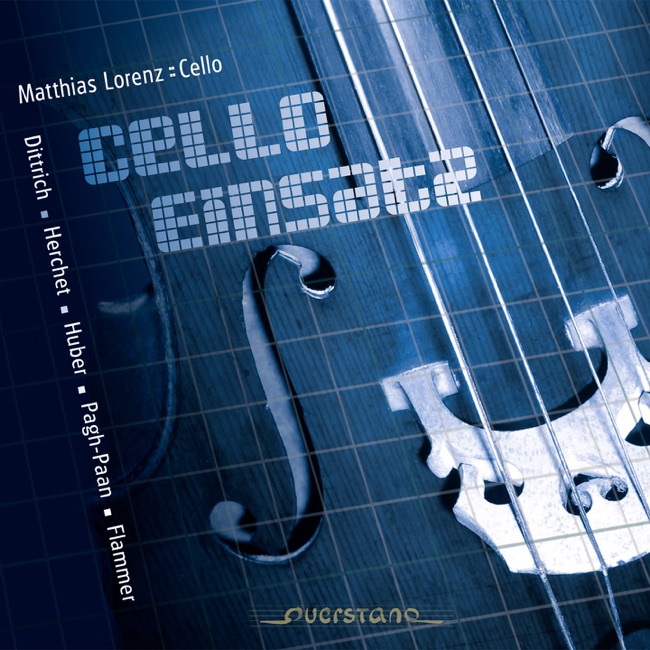 March 22, 2019
 -
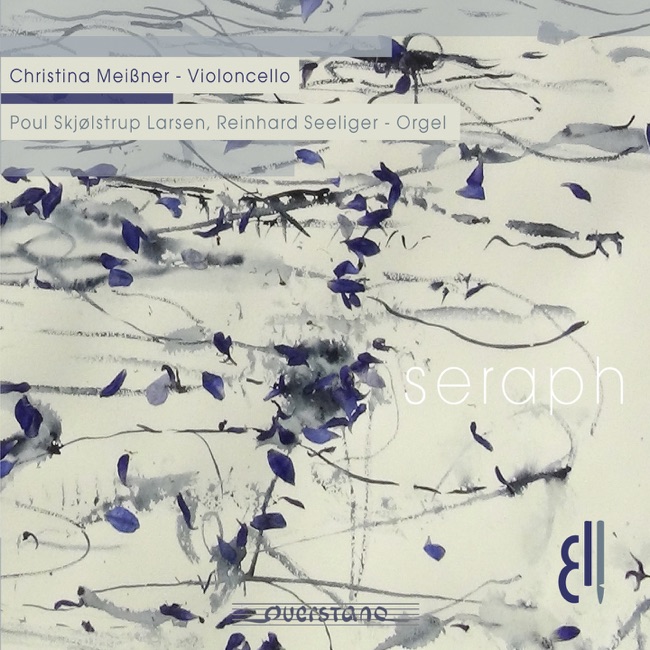 January 13, 2015
 -
 July 8, 2014
 -
 January 1, 1999
Choral
-
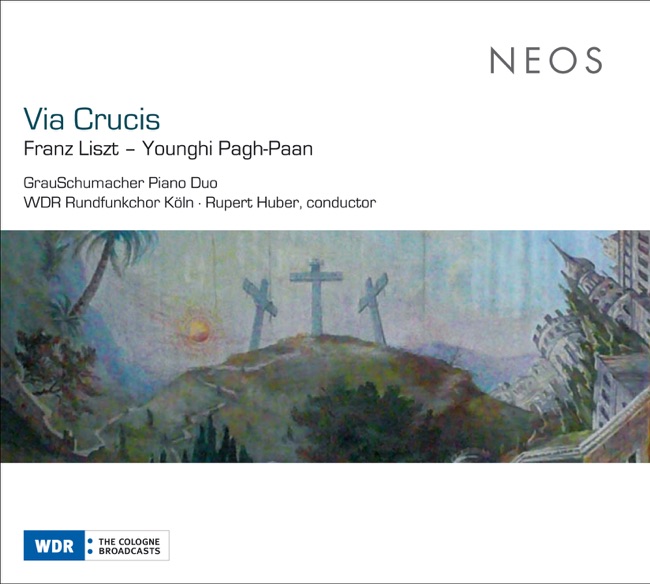 April 28, 2009
Vocal
-
 November 11, 2016
Keyboard
-
 July 26, 2011
Artist Info
Role:ComposerGenre:Avant-GardeChamberOrchestralVocalYounghi Pagh-Paan is a South Korean-born German composer who has made significant contributions to the world of contemporary classical music. She was born on April 28, 1945, in Cheongju, South Korea, and grew up in a musical family. Her father was a composer and conductor, and her mother was a singer. Pagh-Paan started playing the piano at a young age and showed a keen interest in music. In 1963, Pagh-Paan moved to Germany to study music at the Hochschule für Musik in Stuttgart. She studied composition with Milko Kelemen and later with Klaus Huber at the Hochschule für Musik in Freiburg. During her studies, Pagh-Paan was exposed to the works of contemporary composers such as Karlheinz Stockhausen, Luigi Nono, and Pierre Boulez, which had a significant influence on her own compositions. Pagh-Paan's early works were characterized by her use of traditional Korean music elements, which she combined with contemporary Western music techniques. Her compositions often featured unconventional instrumentation, such as the use of Korean instruments like the gayageum and the haegeum. Her works also explored themes of identity, cultural heritage, and the relationship between tradition and modernity. One of Pagh-Paan's early works, "Koreanische Musik" (Korean Music), was composed in 1972 and premiered at the Donaueschingen Festival the same year. The piece featured a combination of Korean and Western instruments and was well-received by audiences and critics alike. Another notable work from this period was "Klang des Steins" (Sound of Stone), which was composed in 1975 and featured the use of a Korean stone instrument called the pyeongyeong. In the 1980s, Pagh-Paan's compositions began to incorporate more electronic elements, reflecting the growing influence of technology on music. Her works from this period often featured a combination of acoustic and electronic sounds, creating a unique sonic landscape. One of her most significant works from this period was "Sori," which was composed in 1986 and featured a combination of Korean and Western instruments, as well as electronic sounds. In the 1990s, Pagh-Paan's compositions became more introspective and focused on exploring the inner world of the individual. Her works from this period often featured a minimalist aesthetic, with a focus on repetition and subtle variations. One of her most notable works from this period was "In Balance," which was composed in 1993 and featured a combination of acoustic and electronic sounds. In the 2000s, Pagh-Paan's compositions continued to evolve, with a focus on exploring the relationship between sound and space. Her works from this period often featured a spatial element, with sounds moving around the performance space. One of her most significant works from this period was "Horizont auf hoher See" (Horizon at High Sea), which was composed in 2005 and featured a combination of acoustic and electronic sounds, as well as a spatial element. Throughout her career, Pagh-Paan has received numerous awards and honors for her contributions to contemporary classical music. In 1999, she was awarded the Berlin Art Prize, and in 2005, she received the Goethe Medal for her contributions to German culture. Her works have been performed by leading orchestras and ensembles around the world, including the Berlin Philharmonic, the London Sinfonietta, and the Ensemble Modern.More....
Recent Artist Music







Copyright Ⓒ 2013 Davinci Finger. All rights reseved
Service Terms & Policy