


Simon Molitor
Released Album
Chamber
-
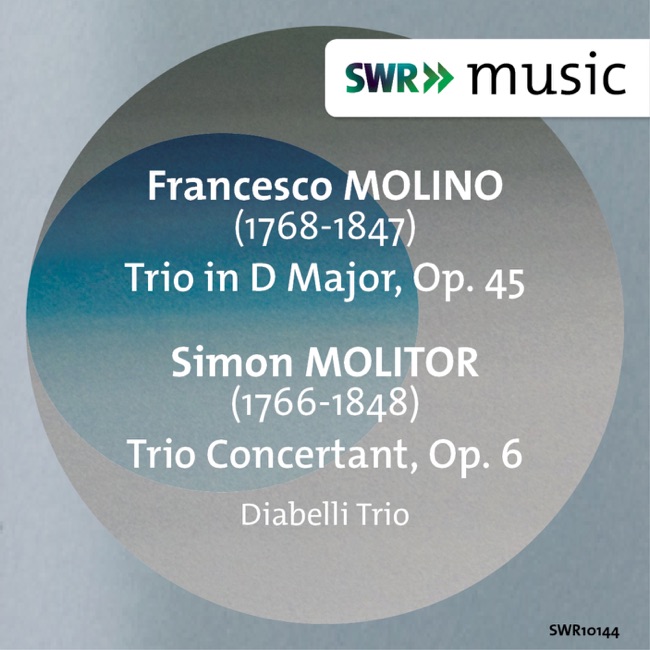
-
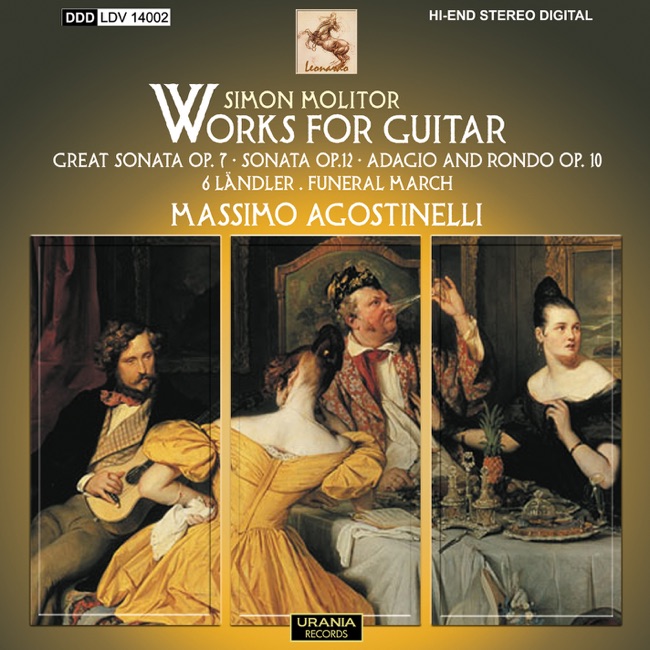 April 8, 2014
 -
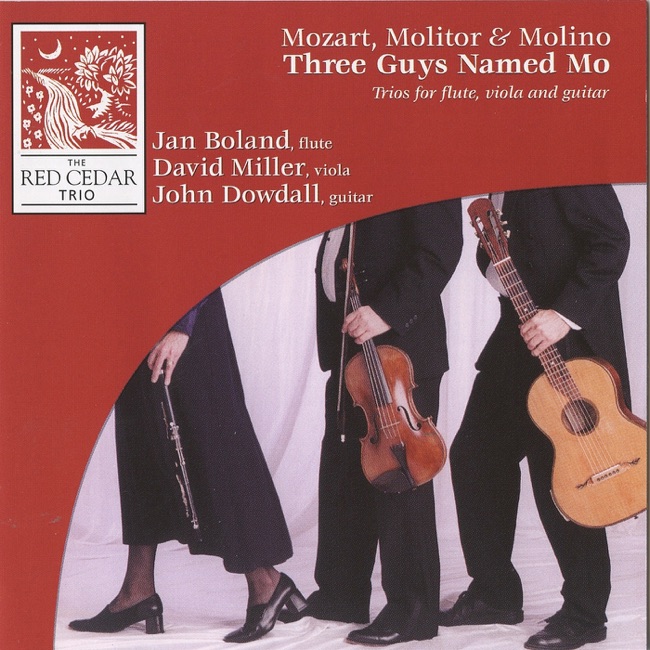 June 28, 2005
Artist Info
Role:ComposerSimon Molitor was a German composer and violinist who lived from 1766 to 1848. He was born in Bonn, Germany, and was the son of a musician. His father, Johann Molitor, was a violinist in the court orchestra of the Elector of Cologne. Simon Molitor showed an early interest in music and began studying the violin with his father at a young age. Molitor's musical talent was recognized early on, and he was sent to study with the renowned violinist Franz Anton Eck in Mannheim. Eck was a leading figure in the Mannheim school of music, which was known for its innovative orchestration and use of dynamic contrasts. Molitor studied with Eck for several years and became a skilled violinist and composer. In 1786, Molitor was appointed as a violinist in the court orchestra of the Elector of Cologne, where his father had previously worked. He remained in this position for several years, but his true passion was composition. Molitor began to write music in a variety of genres, including symphonies, chamber music, and operas. One of Molitor's most significant works is his Symphony No. 1 in C major, which was composed in 1790. The symphony is in the classical style and features a bright and cheerful melody in the first movement. The second movement is a slow and lyrical adagio, while the third movement is a lively minuet. The final movement is a fast and energetic allegro. Molitor's chamber music is also noteworthy, particularly his string quartets. His String Quartet No. 1 in D major is a charming work that showcases his skill as a composer. The quartet features a lively and playful first movement, a slow and expressive second movement, a graceful minuet, and a lively finale. In addition to his instrumental music, Molitor also composed several operas. His most famous opera is Der Alchymist, which was first performed in 1802. The opera is a comic work that tells the story of an alchemist who tries to turn lead into gold. The music is light and playful, with catchy melodies and witty lyrics. Molitor's music was well-received during his lifetime, and he was regarded as a talented composer and violinist. However, his music fell out of favor in the 19th century and was largely forgotten. It was not until the 20th century that his music began to be rediscovered and performed again. Today, Molitor's music is appreciated for its charm and elegance. His works are a testament to the rich musical tradition of the classical era and continue to be enjoyed by audiences around the world.More....
Recent Artist Music
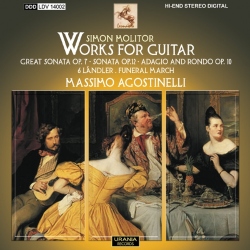
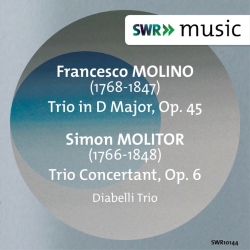
Copyright Ⓒ 2013 Davinci Finger. All rights reseved
Service Terms & Policy