


Thysius Lute Book Anonymous
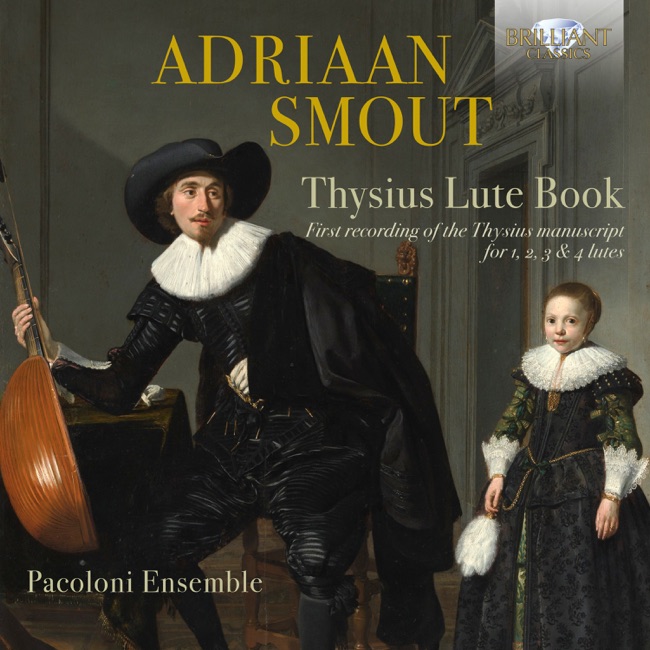
Artist Info
Role:ComposerPeriod:BaroqueThysius Lute Book Anonymous is a collection of lute music that was compiled in the late 16th century. The book contains over 200 pieces of music, many of which are anonymous, and is considered to be one of the most important sources of lute music from the Renaissance period. Little is known about the birth and growth of the musicians who composed the music in the Thysius Lute Book. However, it is believed that many of the pieces were written by professional lutenists who were active in the courts and cities of Europe during the late 16th century. These musicians would have been highly skilled and would have been able to perform complex and virtuosic music on the lute. The Thysius Lute Book contains a wide variety of music, including dances, fantasias, preludes, and variations. Many of the pieces are based on popular songs and tunes of the time, while others are original compositions. The music is written in tablature notation, which was the standard notation for lute music during the Renaissance period. One of the highlights of the Thysius Lute Book is the collection of dances. These include pavans, galliards, allemandes, and courantes, which were popular dance forms during the Renaissance period. The dances are typically in binary form, with two sections that are repeated. They are characterized by their lively rhythms and intricate melodies, which would have been well-suited to the lute. Another notable feature of the Thysius Lute Book is the collection of fantasias. These are free-form pieces that allow the composer to explore different musical ideas and techniques. They are often highly virtuosic and require a great deal of skill to perform. The fantasias in the Thysius Lute Book are some of the most complex and challenging pieces of lute music from the Renaissance period. In addition to the dances and fantasias, the Thysius Lute Book also contains a number of preludes and variations. These pieces are typically shorter than the dances and fantasias and are often used as introductions to other pieces of music. The variations are based on popular tunes of the time and allow the composer to explore different ways of developing a musical theme. Overall, the Thysius Lute Book is an important source of lute music from the Renaissance period. It provides a glimpse into the musical world of the late 16th century and showcases the skill and creativity of the lutenists of the time. The music in the book is still performed today by lute players around the world, and it continues to inspire new generations of musicians.More....
Recent Artist Music
1
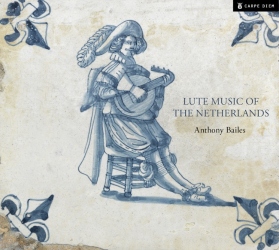
In a groot ongheluck (Thysius Lute Book No. 550)
In een groot ongheluck (Thysius Lute Book, 550)
1:31
Copyright Ⓒ 2013 Davinci Finger. All rights reseved
Service Terms & Policy