


Carl Engel
Released Album
Chamber
-
 October 5, 2018
 -
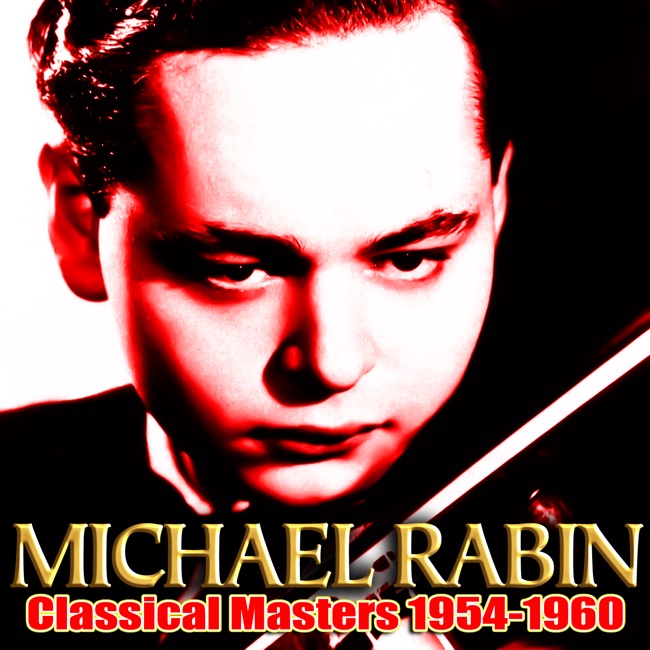 June 27, 2012
 -
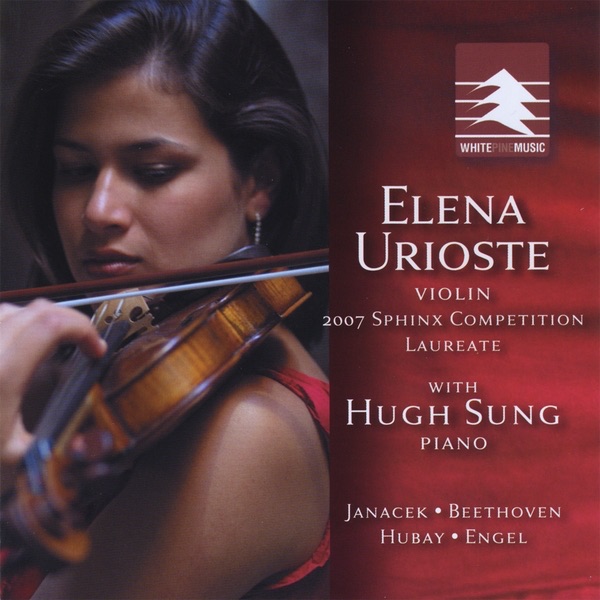 January 1, 2008
 -
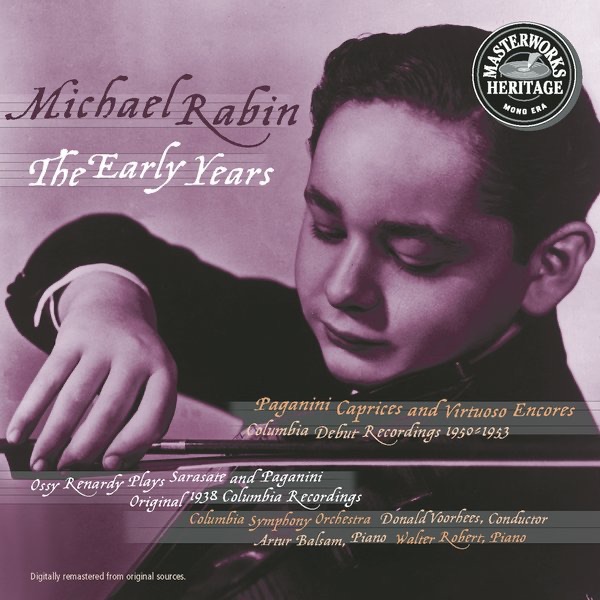 June 29, 1999
 -
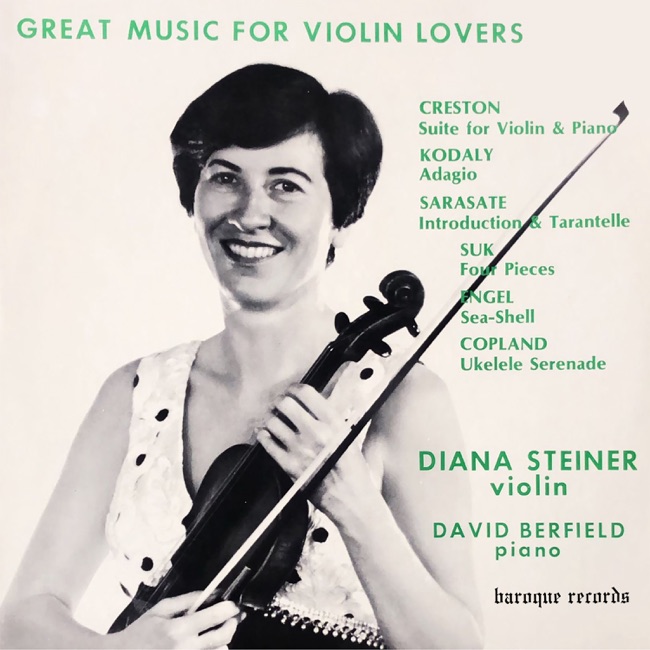 August 16, 1974
Artist Info
Role:ComposerBirth:July 21, 1883 in Paris, FranceDeath:May 6, 1944Period:ModernGenre:ChamberCarl Engel was a German-born American composer, conductor, and musicologist who made significant contributions to the study and appreciation of classical music in the United States. Born on February 13, 1883, in Berlin, Germany, Engel showed an early interest in music and began studying piano and composition at a young age. He later attended the Royal Academy of Music in Berlin, where he studied under some of the most prominent composers of the time, including Max Bruch and Engelbert Humperdinck. After completing his studies, Engel began his career as a conductor, working with several orchestras in Germany and Austria. In 1906, he moved to the United States, where he quickly established himself as a leading figure in the classical music scene. He served as the conductor of the Boston Symphony Orchestra from 1912 to 1914, and later worked with the New York Philharmonic and the Metropolitan Opera. In addition to his work as a conductor, Engel was also a prolific composer, producing a wide range of works in various genres. His compositions include symphonies, operas, chamber music, and choral works, many of which were well-received by audiences and critics alike. Some of his most notable works include his Symphony No. 1 in C minor, his opera The Tower of Babel, and his choral work The Song of the Stars. However, it was Engel's work as a musicologist that truly set him apart from his contemporaries. He was a passionate advocate for the study and preservation of classical music, and he worked tirelessly to promote the works of both established and lesser-known composers. He was particularly interested in the music of the Baroque and Renaissance periods, and he played a key role in the revival of interest in early music in the United States. Engel's contributions to the study of classical music were numerous and varied. He wrote several books on music history and theory, including A History of the Oratorio and The Music of the Most Ancient Nations. He also edited and translated numerous works by composers such as Johann Sebastian Bach and George Frideric Handel, making their music more accessible to American audiences. Perhaps Engel's most significant contribution to the study of classical music was his work as the founding director of the Music Division of the Library of Congress. In this role, he oversaw the acquisition and preservation of a vast collection of musical manuscripts, scores, and recordings, many of which were previously unavailable to scholars and musicians. He also worked to establish the Library of Congress as a center for music research and scholarship, and he played a key role in the development of the Library's music cataloging system. Engel's legacy as a composer, conductor, and musicologist continues to be felt today. His contributions to the study and appreciation of classical music in the United States helped to establish the country as a major center for music scholarship and performance. His dedication to the preservation of musical works and his efforts to make them more accessible to audiences have had a lasting impact on the field of musicology. And his own compositions, though perhaps less well-known than those of some of his contemporaries, continue to be performed and appreciated by musicians and audiences around the world.More....
Recent Artist Music

Copyright Ⓒ 2013 Davinci Finger. All rights reseved
Service Terms & Policy