


Pablo Queipo de Llano
Released Album
Concerto
-
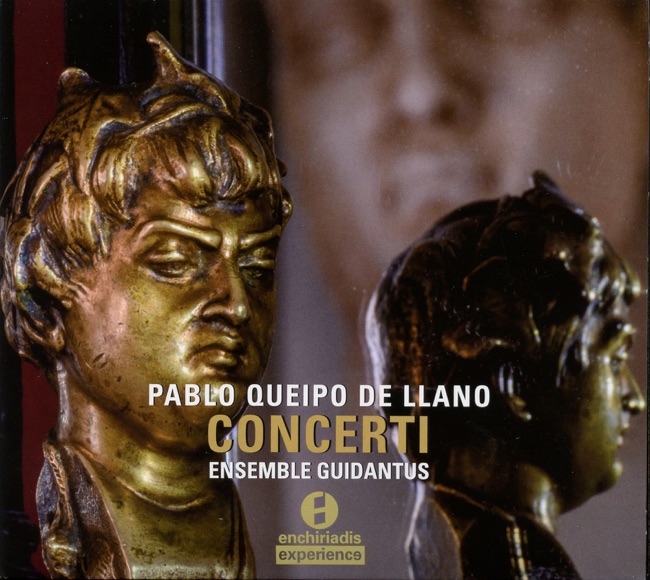 March 26, 2013
Chamber
-
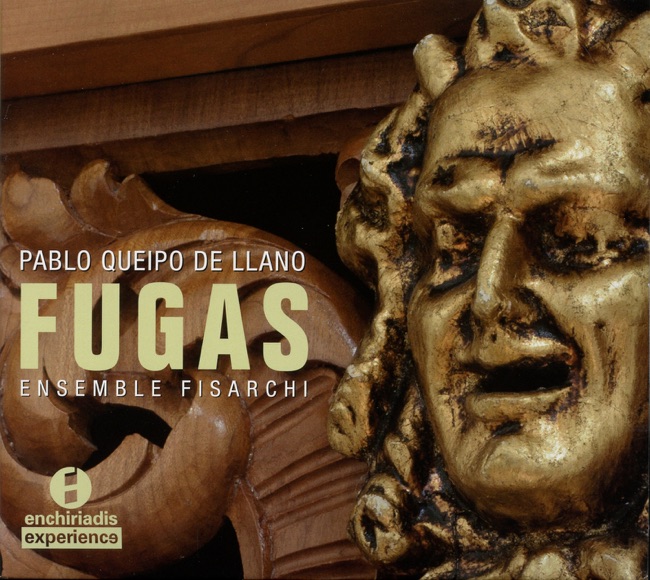 October 30, 2012
Symphony
-
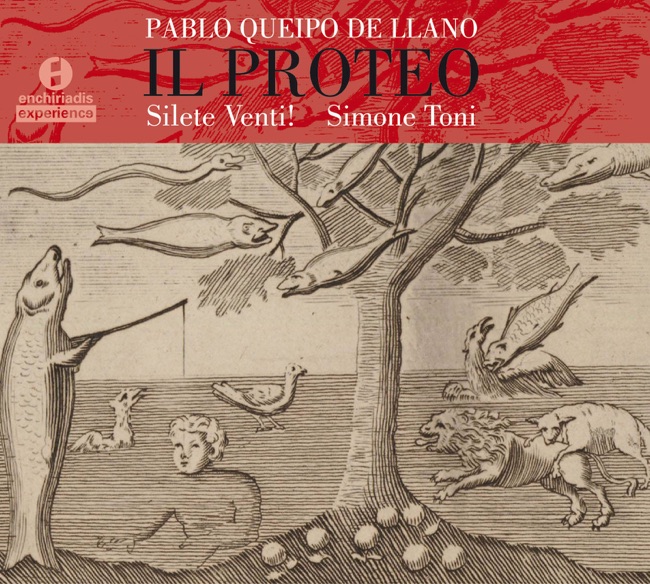 January 27, 2015
Artist Info
Role:ComposerPablo Queipo de Llano was a Spanish composer born on January 25, 1905, in Madrid, Spain. He was born into a family of musicians, and his father, Luis Queipo de Llano, was a renowned composer and conductor. Pablo Queipo de Llano showed an early interest in music and began studying piano and composition at a young age. Queipo de Llano's musical education began at the Madrid Conservatory, where he studied piano with José Tragó and composition with Conrado del Campo. He later continued his studies in Paris with Nadia Boulanger, one of the most influential composition teachers of the 20th century. Boulanger's teaching had a profound impact on Queipo de Llano's musical style, and he became known for his use of polytonality and complex harmonies. Queipo de Llano's early works were heavily influenced by the music of Maurice Ravel and Claude Debussy, but he later developed his own unique style. His music is characterized by its lyricism, rhythmic vitality, and use of Spanish folk melodies. He was also known for his skillful orchestration and use of unusual instrumental combinations. Queipo de Llano's first major success came in 1931 with the premiere of his ballet El sombrero de tres picos (The Three-Cornered Hat). The ballet, based on a story by Pedro Antonio de Alarcón, tells the story of a miller who is pursued by a lecherous magistrate. The music is full of Spanish rhythms and melodies, and the ballet was an instant success. It was later adapted into a suite for orchestra, which became one of Queipo de Llano's most popular works. Queipo de Llano continued to compose throughout the 1930s and 1940s, and his music was performed by some of the most prestigious orchestras in Europe and the United States. In 1947, he was awarded the National Music Prize by the Spanish government, and he was later appointed director of the Madrid Conservatory. One of Queipo de Llano's most famous works is his Concerto for Guitar and Orchestra, which was written in 1954 for the Spanish guitarist Andrés Segovia. The concerto is a virtuosic showcase for the guitar, and it combines Spanish folk melodies with Queipo de Llano's characteristic harmonies and rhythms. The concerto has become a staple of the guitar repertoire and is considered one of the greatest works ever written for the instrument. Queipo de Llano's later works were more introspective and reflective, and they often explored themes of love, loss, and mortality. One of his most moving works is his String Quartet No. 2, which was written in memory of his wife, who died in 1960. The quartet is a deeply personal work, full of melancholy and longing, and it is considered one of the greatest works ever written for the string quartet. Queipo de Llano continued to compose until his death in 1984, and his music remains an important part of the Spanish classical music tradition. His works have been recorded by some of the world's greatest orchestras and performers, and they continue to be performed and admired by audiences around the world.More....
Recent Artist Music
2
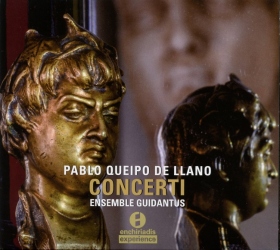
Fugue of Hercules in G minor
Fuga de Hércules para cuerda y bc. en sol menor (Allegro marziale ma non presto)
3:24
3
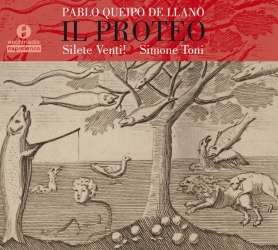
Concerto Il furore del Proteo, for oboe, violin, strings & continuo in E minor, Op. 2/5
Fuga del Proeto: Allegro non molto
3:54
Copyright Ⓒ 2013 Davinci Finger. All rights reseved
Service Terms & Policy