


Paul Engel
Released Album
Chamber
-
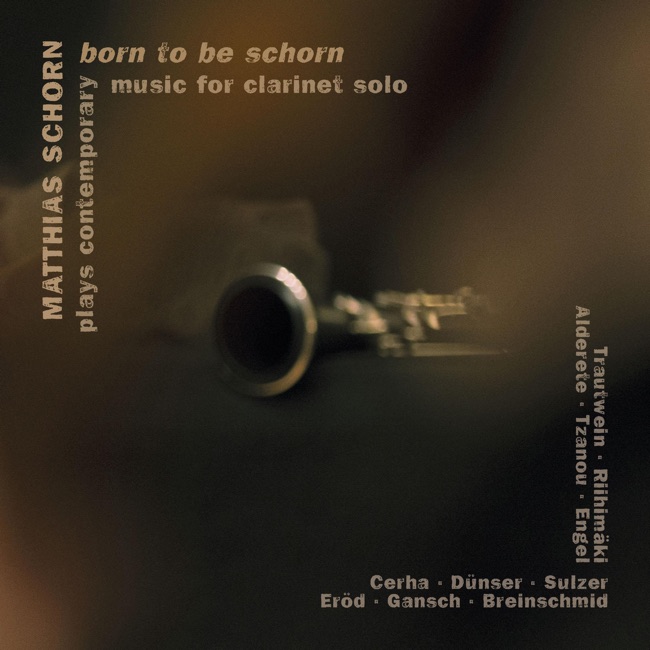 August 30, 2013
 -
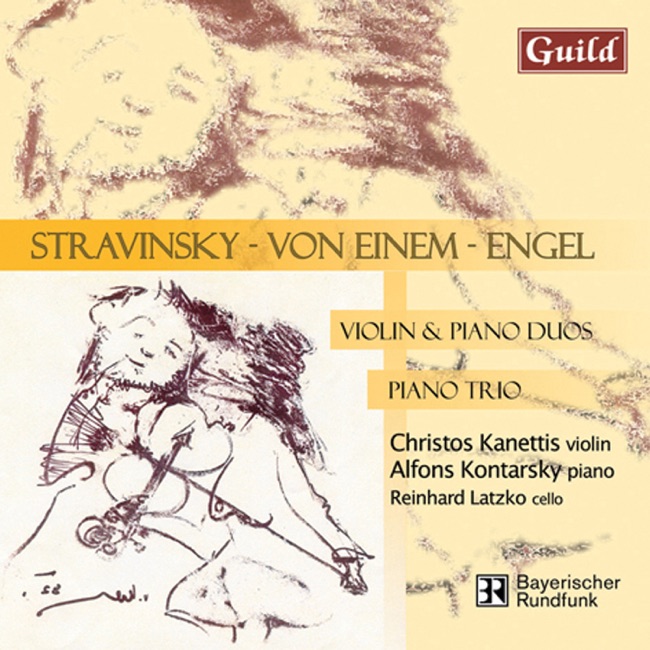
Choral
-
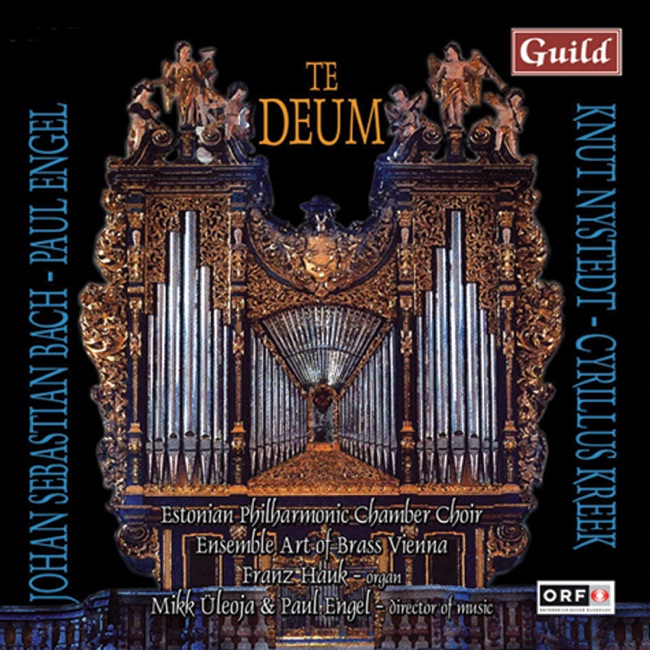 September 30, 2002
Artist Info
Role:ComposerBirth:1949Period:ContemporaryGenre:BandChamberChoralPaul Engel was a German composer born on January 23, 1891, in Berlin. He was the son of a music teacher and grew up in a musical family. His father recognized his son's talent for music at an early age and began teaching him piano and music theory. Engel's father also introduced him to the works of Bach, Beethoven, and Mozart, which would later influence his own compositions. Engel attended the Berlin Conservatory, where he studied composition with Max Bruch and piano with Ferruccio Busoni. He also studied with Arnold Schoenberg, who was a major influence on his music. Engel's early compositions were heavily influenced by Schoenberg's atonal style, but he later developed his own unique style that blended tonal and atonal elements. In 1914, Engel enlisted in the German army and served in World War I. He was wounded in battle and spent several months in a military hospital. During his recovery, he continued to compose music and wrote several pieces for piano and chamber ensembles. After the war, Engel returned to Berlin and began working as a freelance composer and music teacher. He also became involved in the Berlin music scene and was a member of the Society for Private Musical Performances, which was founded by Schoenberg. Engel's early compositions were well-received by critics and audiences, and he quickly gained a reputation as one of the leading composers of his generation. His music was performed by some of the top orchestras and chamber ensembles in Europe, including the Berlin Philharmonic and the Vienna Symphony Orchestra. One of Engel's most famous works is his Piano Concerto No. 1, which he composed in 1921. The concerto is a virtuosic showcase for the soloist and features a complex interplay between the piano and orchestra. The piece was premiered by the Berlin Philharmonic with Engel himself as the soloist, and it was an immediate success. Engel continued to compose throughout the 1920s and 1930s, but his career was interrupted by the rise of the Nazi party in Germany. As a Jew, Engel was forced to flee the country in 1933 and emigrated to the United States. He settled in New York City and began teaching at the Juilliard School of Music. In the United States, Engel continued to compose and was commissioned to write several works for American orchestras and chamber ensembles. He also became involved in the American music scene and was a member of the League of Composers, which was founded by Aaron Copland and other leading American composers. One of Engel's most famous works from his American period is his Symphony No. 2, which he composed in 1942. The symphony is a powerful and emotional work that reflects Engel's experiences as a refugee and his feelings about the war. The piece was premiered by the New York Philharmonic and was well-received by critics and audiences. Engel continued to compose until his death in 1965. His music is characterized by its complex harmonies, intricate rhythms, and emotional intensity. He was a major figure in the development of modern classical music and his works continue to be performed and studied today.More....
Recent Artist Music
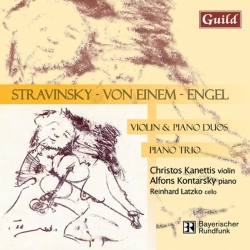
3
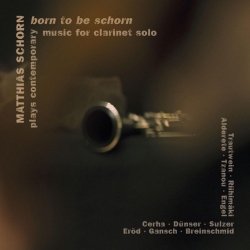
Siegfried is dead - long live Siegfried
Siegfried ist tot - Es lebe Siegfried (Siegfried is dead - Long live Siegfried)
10:1
Copyright Ⓒ 2013 Davinci Finger. All rights reseved
Service Terms & Policy