


Ruth Gipps
Released Album
Orchestral
-
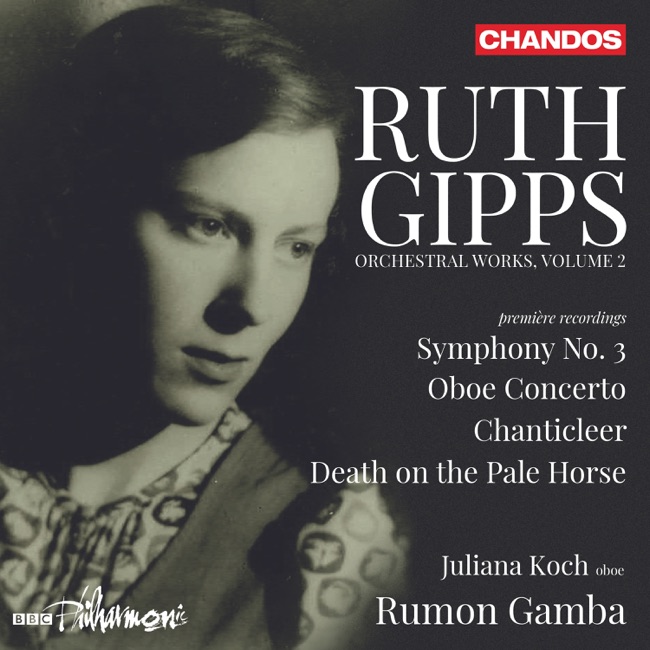 October 14, 2022
 -
 September 23, 2022
 -
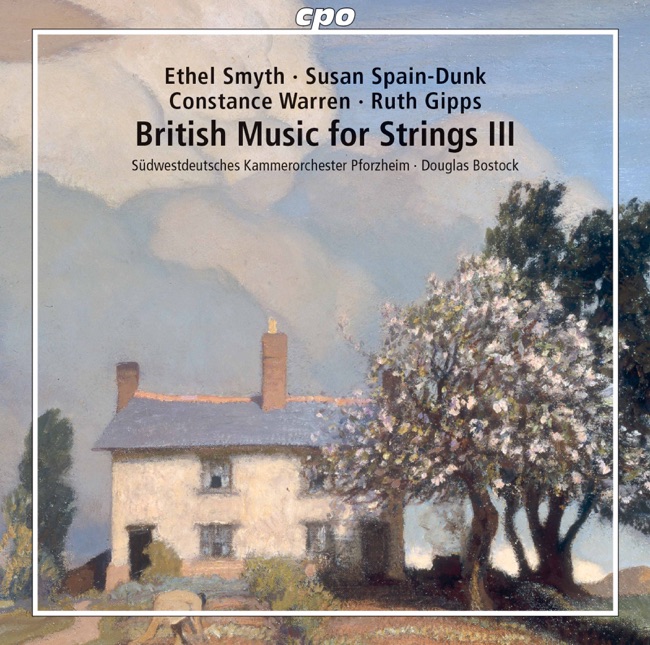
Concerto
-
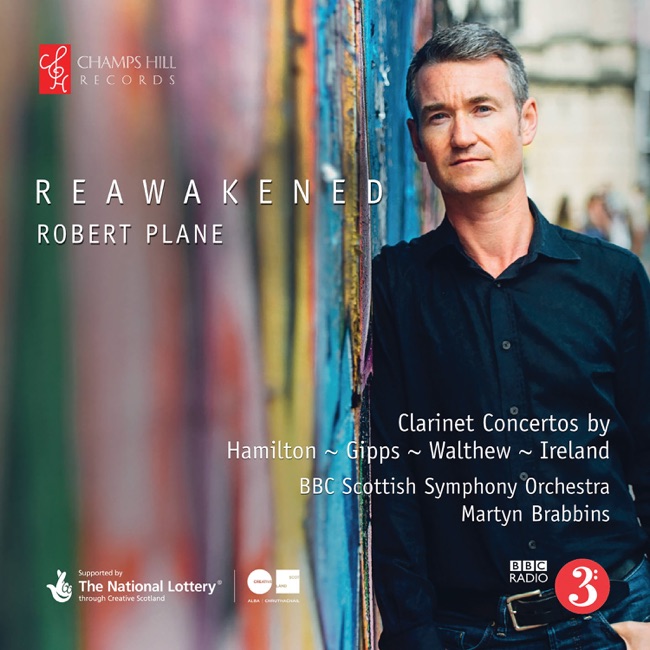 July 24, 2020
 -
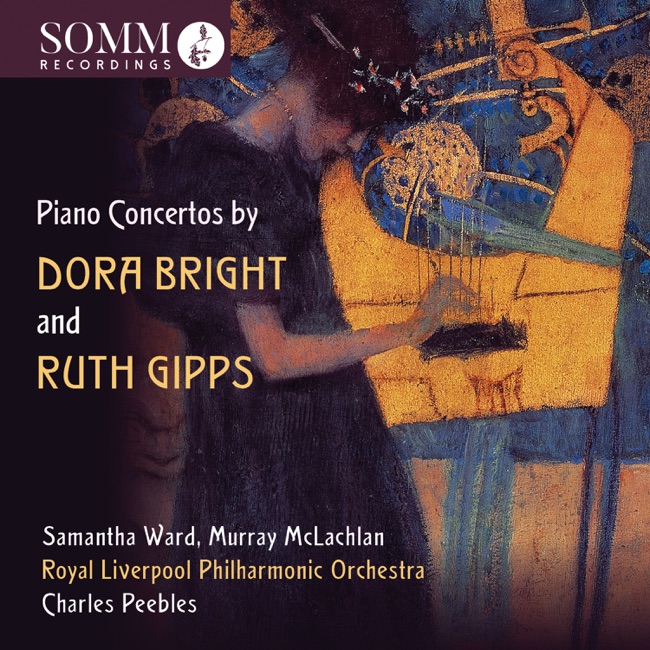 October 4, 2019
 -
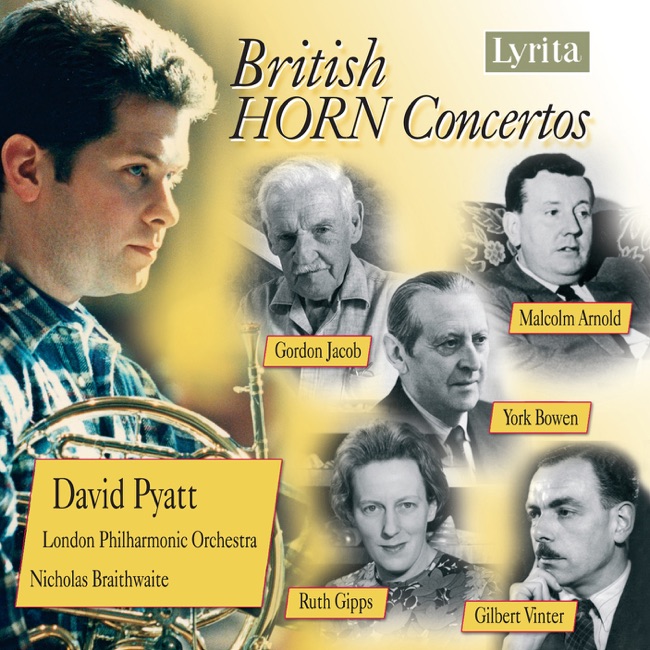 May 8, 2007
Symphony
-
-
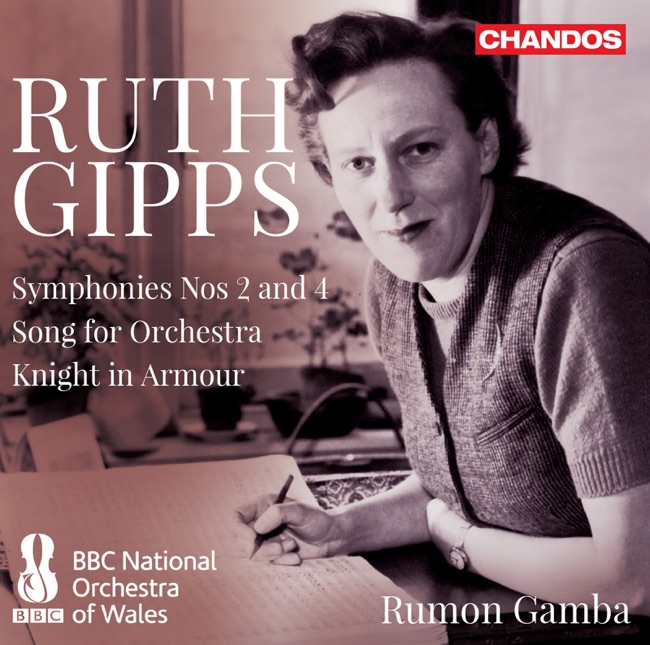
-
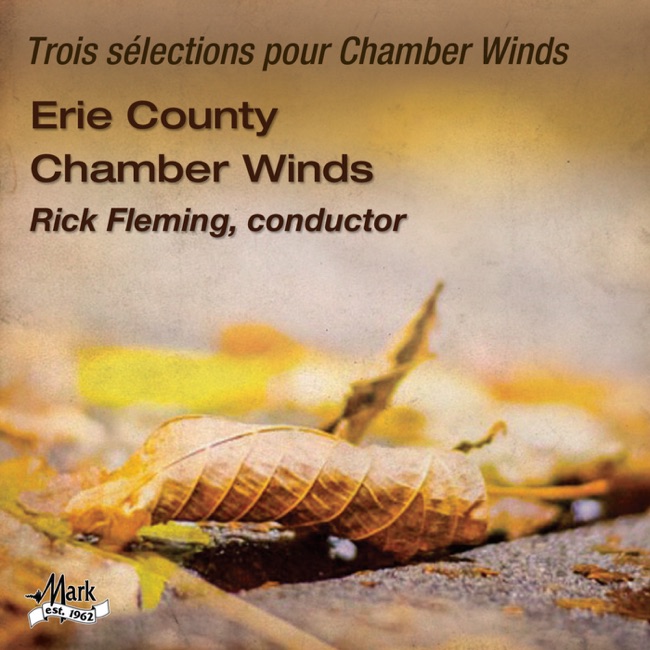 February 25, 2014
Chamber
-
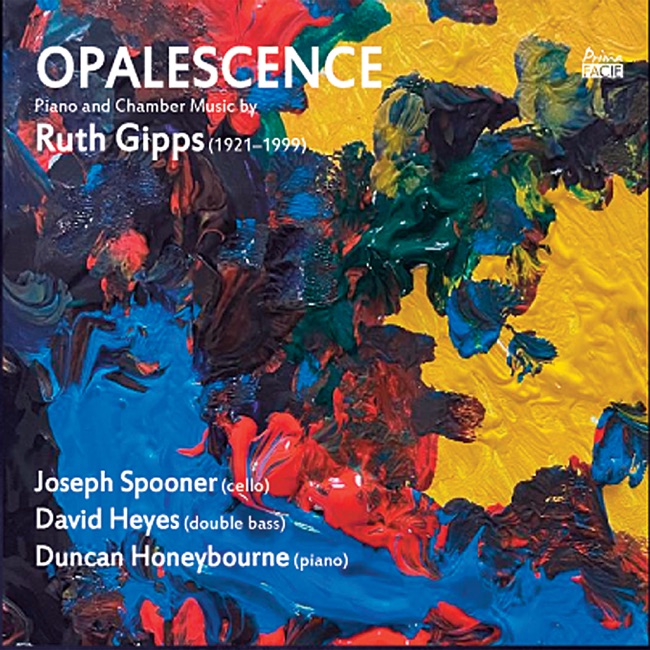 December 3, 2021
 -
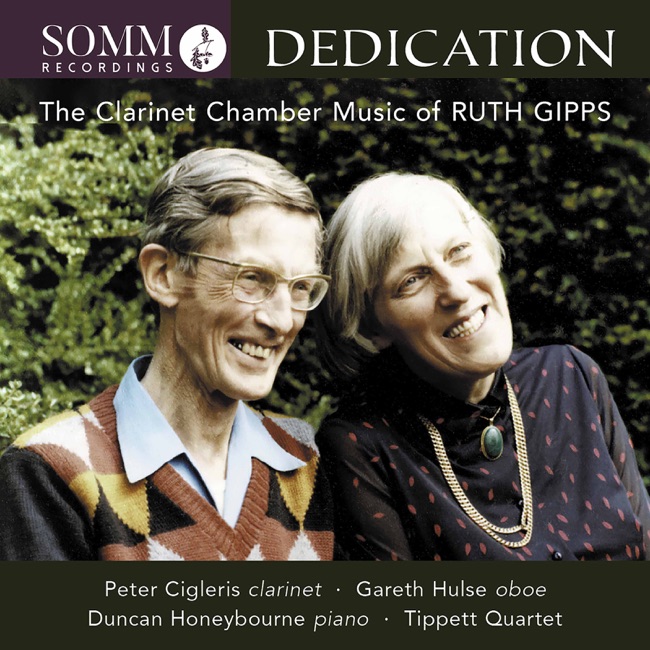 October 1, 2021
Artist Info
Role:ComposerBirth:1921 in Bexhill-On-Sea, EnglandDeath:1999 in Framfield, East Sussex, EnglandGenre:ChoralOrchestralSymphonyRuth Gipps was a British composer, conductor, and pianist who was born on February 20, 1921, in Bexhill-on-Sea, East Sussex, England. She was the daughter of a doctor and a pianist, and her mother was her first music teacher. Gipps showed an early aptitude for music and began composing at the age of five. She was also a talented pianist and gave her first public performance at the age of eight. Gipps studied at the Royal College of Music in London, where she won several prizes for composition and piano performance. She also studied conducting with Sir Adrian Boult and became the first woman to conduct the London Philharmonic Orchestra in 1945. Gipps went on to conduct many other orchestras throughout her career, including the BBC Symphony Orchestra, the Royal Philharmonic Orchestra, and the City of Birmingham Symphony Orchestra. Gipps' compositions were influenced by a variety of styles, including Romanticism, Impressionism, and Modernism. Her early works were often tonal and lyrical, but she later experimented with atonality and serialism. Gipps' music was characterized by its emotional intensity, technical virtuosity, and imaginative orchestration. One of Gipps' most famous works is her Symphony No. 2, which she composed in 1945. The symphony is a powerful and dramatic work that reflects the turmoil of the post-war period. It features a large orchestra and a complex structure that includes a fugue and a passacaglia. The symphony was premiered by the London Philharmonic Orchestra under Gipps' direction and was well-received by critics and audiences alike. Gipps also composed several concertos for various instruments, including the piano, violin, and oboe. Her Piano Concerto No. 1, which she composed in 1948, is a virtuosic work that showcases her technical skill as a pianist. The concerto features a lively first movement, a lyrical second movement, and a lively finale. It was premiered by the BBC Symphony Orchestra under Gipps' direction and was later recorded by the pianist Margaret Fingerhut. In addition to her orchestral works, Gipps also composed chamber music, choral music, and songs. Her String Quartet No. 1, which she composed in 1951, is a lyrical and expressive work that features rich harmonies and intricate counterpoint. Her choral music includes settings of poems by William Blake and Christina Rossetti, and her songs include settings of poems by Emily Dickinson and Robert Burns. Gipps was also a prolific writer and wrote several books on music theory and composition. Her books include "The Musical Child," "The Compositional Process of J.S. Bach," and "Musical Composition: Craft and Art." She was also a respected music educator and taught at several institutions, including the Royal College of Music and the Guildhall School of Music and Drama. Despite her many accomplishments, Gipps faced discrimination and sexism throughout her career. She was often overlooked for conducting and composing opportunities because of her gender, and her music was sometimes dismissed as "feminine" or "sentimental." However, Gipps remained dedicated to her craft and continued to compose and conduct throughout her life. Gipps died on February 23, 1999, at the age of 78. She left behind a legacy of powerful and expressive music that continues to inspire and captivate audiences today.More....
Recent Artist Music
3
10:
9
24:0
Recommend Playlist


Copyright Ⓒ 2013 Davinci Finger. All rights reseved
Service Terms & Policy