


Valentino Bucchi
Released Album
Vocal
-
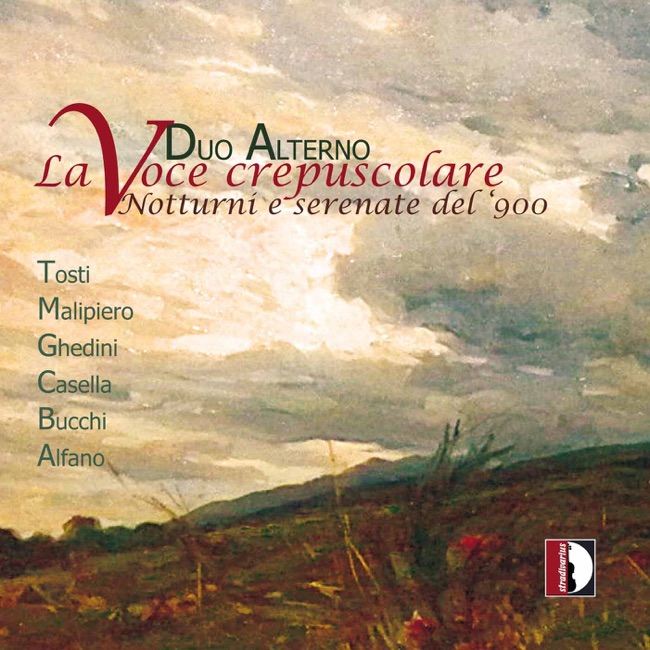 September 14, 2010
 -
 September 16, 2000
Artist Info
Role:ComposerBirth:1916Death:1976Period:ModernGenre:ConcertoVocalValentino Bucchi was an Italian composer who was born on January 19, 1916, in Rome, Italy. He was the son of a music teacher and grew up in a musical family. Bucchi began his musical studies at a young age, learning to play the piano and violin. He later studied composition with Ildebrando Pizzetti at the Accademia Nazionale di Santa Cecilia in Rome. Bucchi's early compositions were influenced by the neoclassical style of Stravinsky and Hindemith. However, he later developed his own unique style, which was characterized by a blend of traditional Italian melodies and modern harmonies. His music was often described as lyrical and expressive, with a strong sense of drama and emotion. One of Bucchi's early works was his Piano Concerto, which was premiered in 1940. The concerto was well-received and helped establish Bucchi as a promising young composer. He went on to compose a number of other works for orchestra, including his Symphony No. 1, which was premiered in 1942. During World War II, Bucchi served in the Italian army and was captured by the Germans. He spent several months in a prisoner-of-war camp, where he continued to compose music. After the war, he returned to Rome and resumed his career as a composer. In the years following the war, Bucchi's music became more experimental and avant-garde. He began incorporating elements of serialism and atonality into his compositions, while still maintaining his distinctive lyrical style. One of his most notable works from this period was his String Quartet No. 2, which was premiered in 1952. Bucchi also became involved in the Italian avant-garde movement, which was centered around the journal "Il Politecnico." He contributed articles and essays to the journal, and his music was often performed at the group's concerts. In addition to his work as a composer, Bucchi was also a respected music educator. He taught composition at the Accademia Nazionale di Santa Cecilia and the Conservatorio di Musica di Roma. Many of his students went on to become successful composers in their own right. Bucchi's later works continued to explore new musical ideas and techniques. He composed a number of works for electronic instruments, including his Electronic Music for Tape, which was premiered in 1960. He also experimented with aleatoric music, which allowed for chance elements to be incorporated into the composition process. Despite his innovative approach to composition, Bucchi remained committed to the traditional Italian musical heritage. He often incorporated folk melodies and rhythms into his works, and his music was characterized by a strong sense of melody and harmony. Some of Bucchi's most notable works include his Symphony No. 2, which was premiered in 1950, and his opera "Il Contrabasso," which was premiered in 1956. He also composed a number of chamber works, including his String Quartet No. 3, which was premiered in 1960. Bucchi's contributions to Italian music were recognized with a number of awards and honors. He was awarded the prestigious Premio Italia in 1956 for his opera "Il Contrabasso," and he was made a member of the Accademia Nazionale di Santa Cecilia in 1962. Valentino Bucchi died on May 8, 1976, in Rome, Italy. He left behind a legacy of innovative and expressive music that continues to be celebrated by musicians and audiences around the world.More....
Recent Artist Music


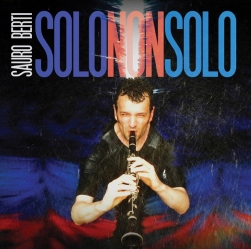
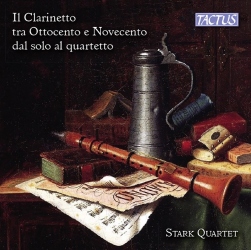
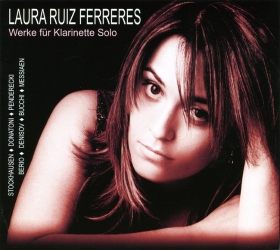
9
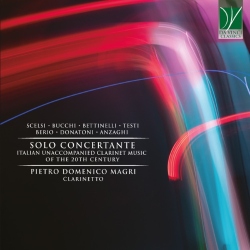
6:37
Copyright Ⓒ 2013 Davinci Finger. All rights reseved
Service Terms & Policy