


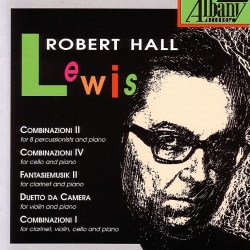
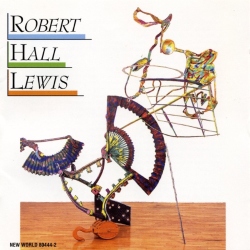
Robert Hall Lewis
Released Album
Chamber
-
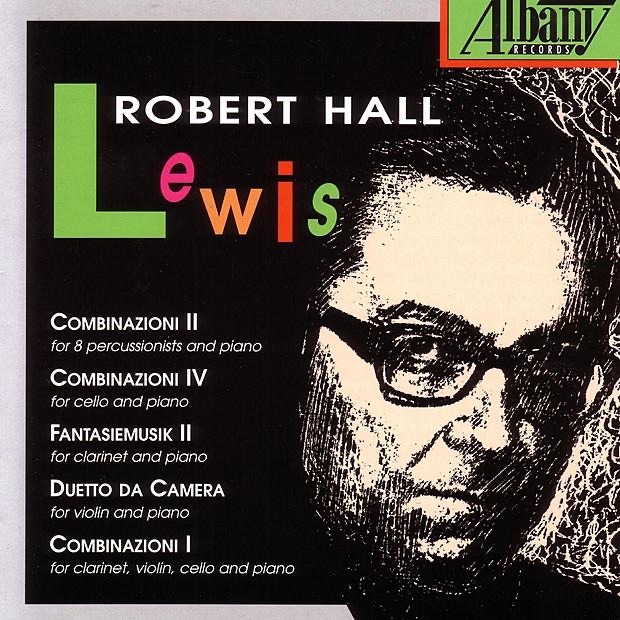 December, 1995
Concerto
-
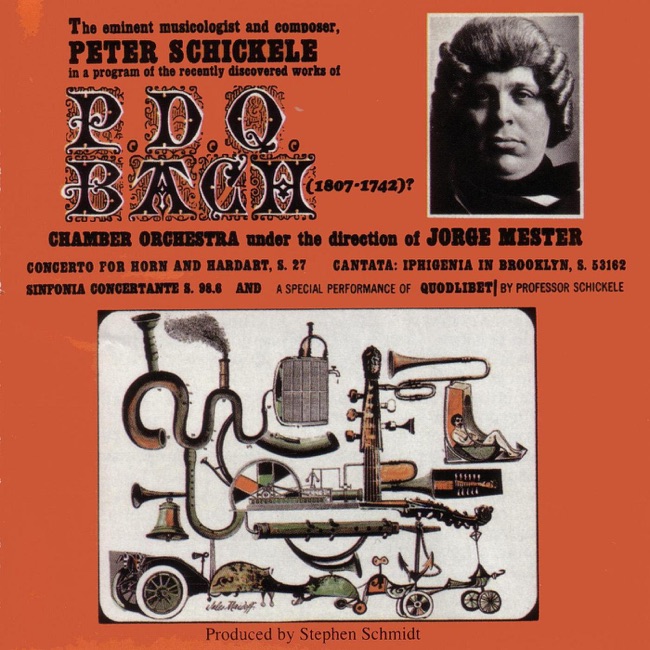 March 2, 1990
Orchestral
-
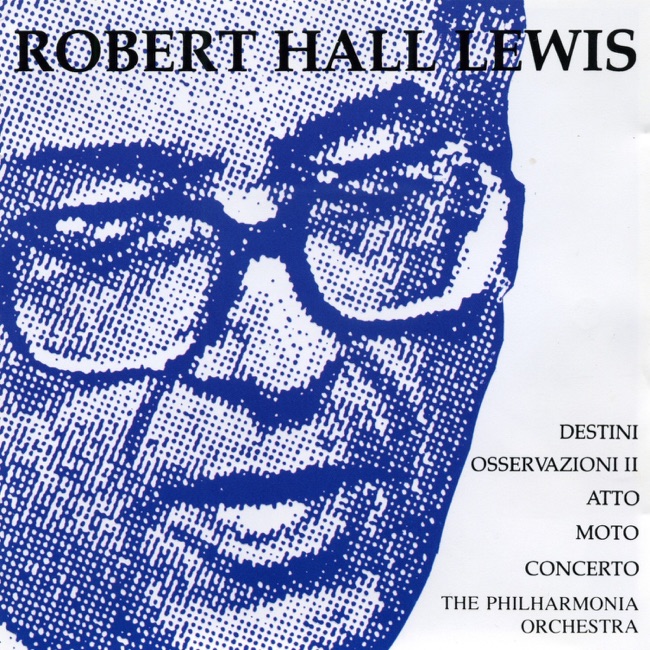 April 20, 1994
Artist Info
Role:Composer ConductorCountry: United States of AmericaBirth:April 11, 1926Period:ContemporaryGenre:ChamberOrchestralRobert Hall Lewis was an American composer who was born on March 14, 1926, in Westfield, New Jersey. He was the son of a music teacher and grew up in a musical family. His father was a pianist and his mother was a singer, and they both encouraged their son's interest in music from an early age. Lewis began his formal music education at the age of six, studying piano with his father. He later studied composition with Walter Piston at Harvard University, where he earned his Bachelor's degree in 1947. He then went on to study with Aaron Copland at Tanglewood, where he was awarded a fellowship in composition. Lewis's early works were influenced by the neoclassical style of his teachers, but he soon developed his own unique voice. His music was characterized by its use of complex rhythms, intricate harmonies, and a wide range of instrumental colors. He was also known for his use of electronic music, which he began experimenting with in the 1950s. One of Lewis's most notable works is his Symphony No. 1, which he composed in 1952. The piece is a four-movement work that showcases Lewis's skill as a composer. The first movement is a lively and energetic piece that features a driving rhythm and a memorable melody. The second movement is a slow and contemplative piece that showcases Lewis's ability to create beautiful and expressive melodies. The third movement is a scherzo that is full of playful rhythms and unexpected twists and turns. The final movement is a triumphant and celebratory piece that brings the symphony to a thrilling conclusion. Another notable work by Lewis is his Concerto for Piano and Orchestra, which he composed in 1960. The piece is a virtuosic showcase for the soloist, with fast and intricate passages that require great technical skill. The concerto also features Lewis's signature use of complex rhythms and harmonies, as well as his ability to create beautiful and expressive melodies. In addition to his orchestral works, Lewis also composed a number of chamber music pieces. One of his most famous chamber works is his String Quartet No. 1, which he composed in 1955. The piece is a four-movement work that showcases Lewis's skill at writing for the string quartet. The first movement is a lively and energetic piece that features a driving rhythm and a memorable melody. The second movement is a slow and contemplative piece that showcases Lewis's ability to create beautiful and expressive melodies. The third movement is a scherzo that is full of playful rhythms and unexpected twists and turns. The final movement is a triumphant and celebratory piece that brings the quartet to a thrilling conclusion. Lewis was also known for his work in electronic music. In the 1950s, he began experimenting with tape recorders and other electronic equipment to create new sounds and textures. He composed a number of electronic music pieces, including his Electronic Study No. 1, which he composed in 1956. The piece is a groundbreaking work that showcases Lewis's ability to create new and innovative sounds using electronic equipment. Throughout his career, Lewis received numerous awards and honors for his work as a composer. He was awarded a Guggenheim Fellowship in 1956, and he was also a recipient of the American Academy of Arts and Letters Award in Music. In addition, he was a member of the National Institute of Arts and Letters and the American Academy of Arts and Sciences.More....
Recent Artist Music
Copyright Ⓒ 2013 Davinci Finger. All rights reseved
Service Terms & Policy