


Ma Si-cong
Released Album
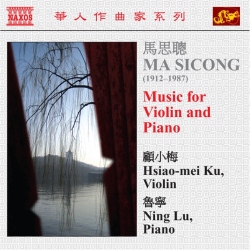
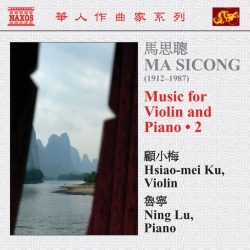
Chamber
-
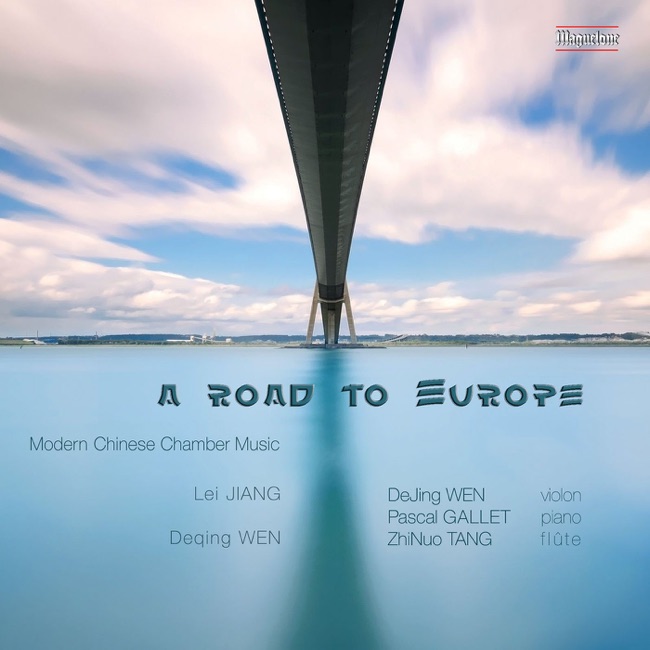 February 3, 2017
 -
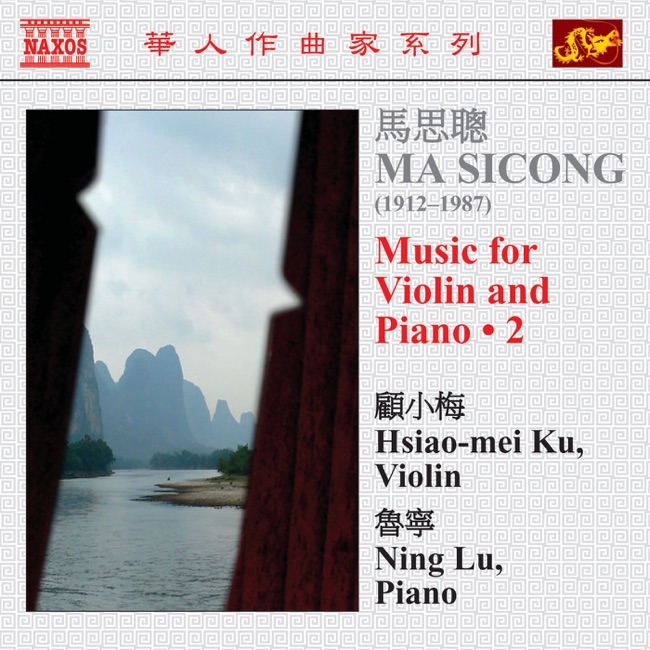 March 30, 2010
 -
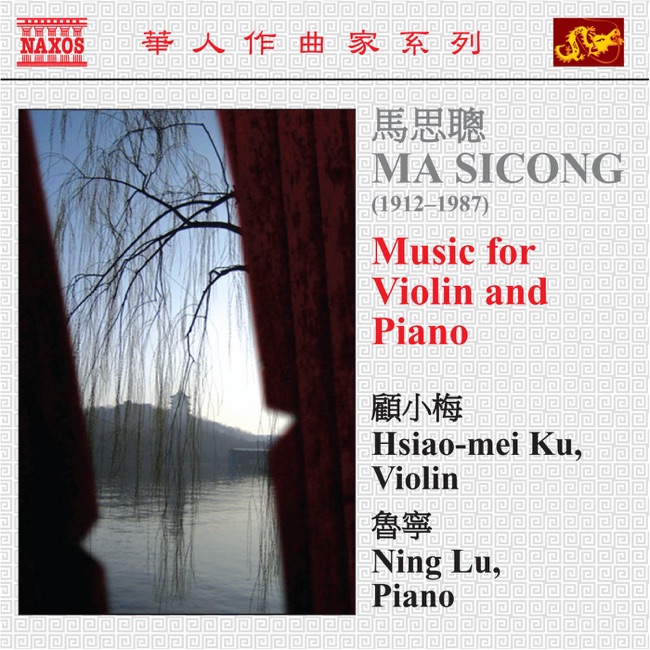 July 31, 2007
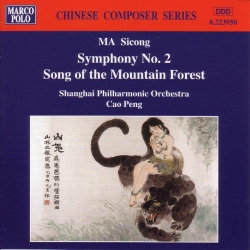
Orchestral
-
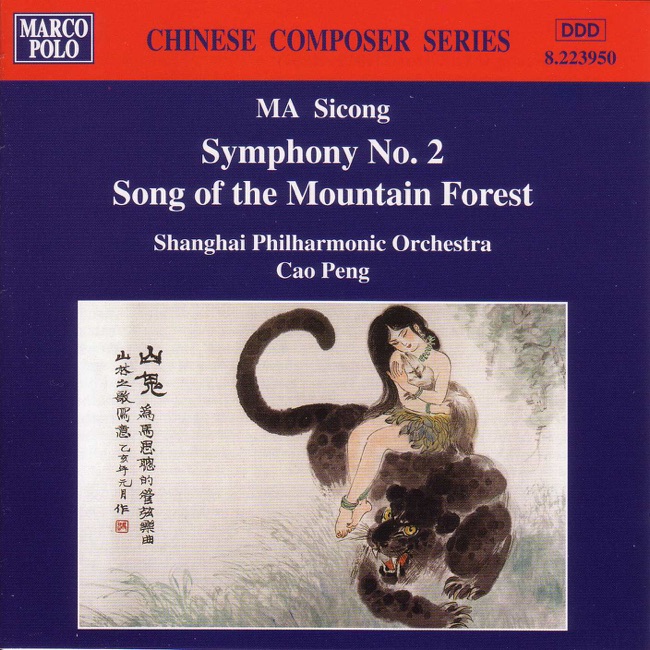 December 17, 1996
Artist Info
Role:ComposerBirth:May 7, 1912 in ChinaDeath:May 20, 1987 in Philadelphia, PAPeriod:ModernGenre:ChamberSymphonyVocalMa Si-cong was a renowned Chinese composer of classical music, born on December 26, 1912, in Guangzhou, China. He was the youngest of six children in a family of musicians. His father, Ma Ke, was a famous composer and conductor, and his mother, Chen Yuying, was a talented singer. Ma Si-cong's siblings were also musically inclined, with his eldest brother, Ma Sicong, becoming a renowned composer and conductor in his own right. Ma Si-cong began his musical education at a young age, studying piano and composition with his father. He later attended the Shanghai Conservatory of Music, where he studied composition with the famous composer Xian Xinghai. Ma Si-cong's early works were heavily influenced by Xian's style, which was characterized by a fusion of Western classical music and Chinese folk music. In 1937, Ma Si-cong's family moved to Hong Kong to escape the Japanese invasion of China. Ma Si-cong continued his musical studies in Hong Kong, where he became a member of the Hong Kong Chinese Orchestra. He also began to develop his own unique style, which blended Western classical music with traditional Chinese music. Ma Si-cong's most famous work is his Symphony No. 1, "The Great Wall," which he composed in 1956. The symphony is a tribute to the Great Wall of China, and it is considered one of the most important works of Chinese classical music. The symphony is divided into four movements, each of which represents a different aspect of the Great Wall. The first movement, "The Great Wall in the Morning Light," is a peaceful and contemplative piece that evokes the beauty of the Great Wall at sunrise. The second movement, "The Great Wall in Battle," is a dramatic and intense piece that represents the battles that were fought on and around the Great Wall. The third movement, "The Great Wall in Peace," is a serene and reflective piece that represents the peace that has prevailed on the Great Wall for centuries. The final movement, "The Great Wall in Celebration," is a joyful and celebratory piece that represents the pride and joy that the Chinese people feel for the Great Wall. Ma Si-cong's other notable works include his Piano Concerto No. 1, which he composed in 1959, and his Symphony No. 2, "The Yellow River," which he composed in 1960. The Piano Concerto No. 1 is a virtuosic and challenging piece that showcases Ma Si-cong's skill as a composer and pianist. The Symphony No. 2, "The Yellow River," is a tribute to the Yellow River, which is considered the cradle of Chinese civilization. The symphony is divided into five movements, each of which represents a different aspect of the Yellow River. The first movement, "The Song of the Yellow River Boatmen," is a lively and energetic piece that represents the hard work and determination of the people who live and work on the Yellow River. The second movement, "The Yellow River in Wrath," is a powerful and intense piece that represents the destructive power of the Yellow River during floods. The third movement, "The Yellow River in Sorrow," is a mournful and reflective piece that represents the sadness and loss that the people of China have experienced due to the floods of the Yellow River. The fourth movement, "Defend the Yellow River," is a heroic and uplifting piece that represents the determination of the Chinese people to protect the Yellow River from further destruction.More....
Recent Artist Music
Copyright Ⓒ 2013 Davinci Finger. All rights reseved
Service Terms & Policy