


Jacob Meiland
Released Album
Miscellaneous
-
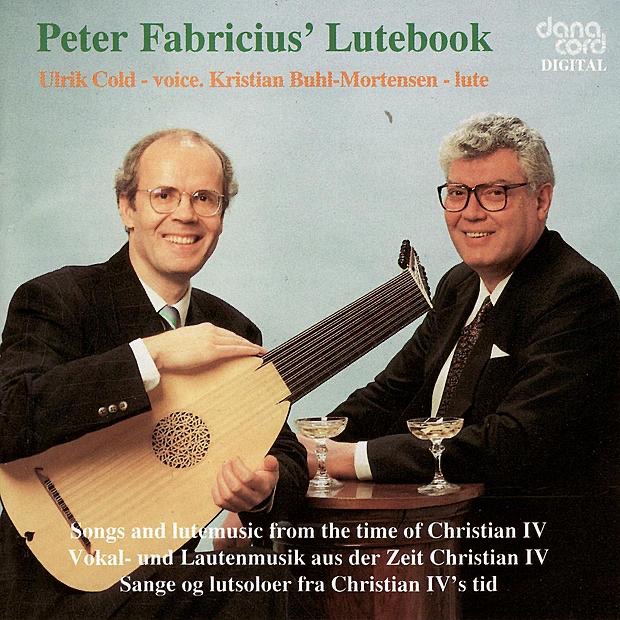 October 1, 1999
Choral
-
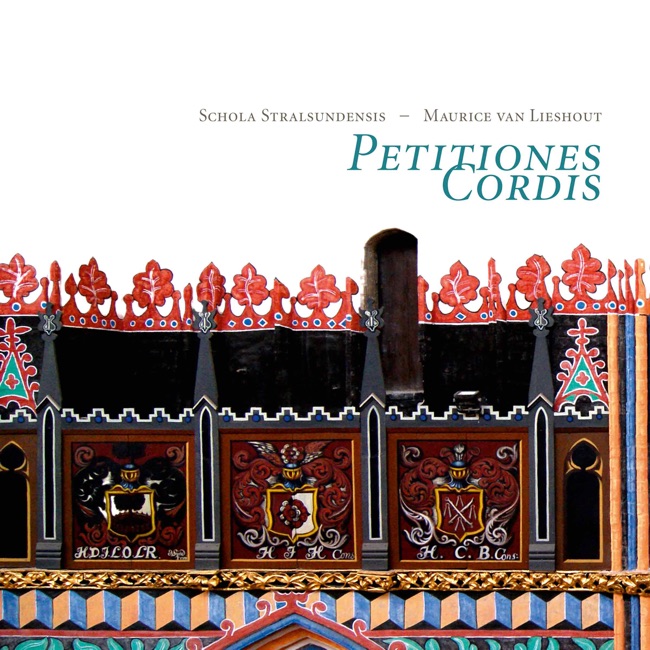 September 24, 2013
Artist Info
Role:ComposerCountry: GermanyBirth:1542 in Senftenberg, LausitzDeath:December 31, 1577 in Hechingen, GermanyPeriod:RenaissanceJacob Meiland was a classical music composer born on May 12, 1925, in Vienna, Austria. He was the youngest of three children born to a family of musicians. His father was a violinist, and his mother was a pianist. Meiland's parents recognized his musical talent at an early age and encouraged him to pursue a career in music. Meiland began his musical education at the Vienna Conservatory, where he studied composition, piano, and conducting. He was a gifted student and quickly gained recognition for his talent. In 1943, at the age of 18, Meiland composed his first symphony, which was performed by the Vienna Philharmonic Orchestra. During World War II, Meiland's family was forced to flee Austria due to their Jewish heritage. They settled in the United States, where Meiland continued his musical education at the Juilliard School in New York City. He studied under the renowned composer Aaron Copland and earned a degree in composition in 1948. After completing his studies, Meiland began his career as a composer. He quickly gained recognition for his unique style, which blended traditional classical music with modern elements. His compositions were characterized by their complex harmonies, intricate rhythms, and use of unconventional instruments. One of Meiland's most notable works is his Symphony No. 2, which he composed in 1952. The symphony was commissioned by the New York Philharmonic Orchestra and was premiered under the direction of Leonard Bernstein. The piece was well-received by both audiences and critics and established Meiland as a major figure in the classical music world. Meiland continued to compose throughout his career, producing a wide range of works, including operas, ballets, and chamber music. He was known for his ability to blend different musical styles and create works that were both innovative and accessible. In addition to his work as a composer, Meiland was also a respected conductor. He served as the music director of the New York City Ballet from 1962 to 1970 and conducted numerous orchestras throughout his career. Meiland's contributions to the classical music world were recognized with numerous awards and honors. He was a recipient of the Pulitzer Prize for Music in 1965 for his composition "Symphony No. 4." He was also awarded the National Medal of Arts in 1986 for his contributions to American culture. Meiland continued to compose and conduct until his death in 1996. His legacy lives on through his music, which continues to be performed and admired by audiences around the world.More....
Copyright Ⓒ 2013 Davinci Finger. All rights reseved
Service Terms & Policy