


Anthony Mawer
Released Album
Orchestral
-
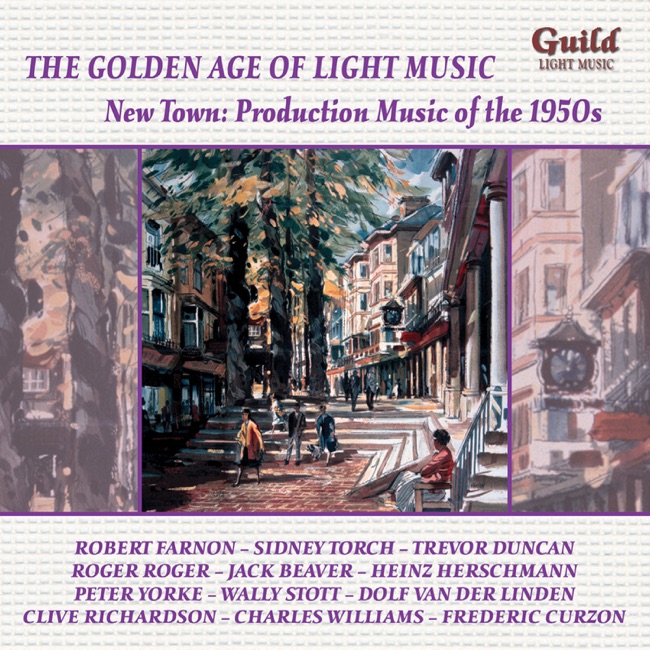
-
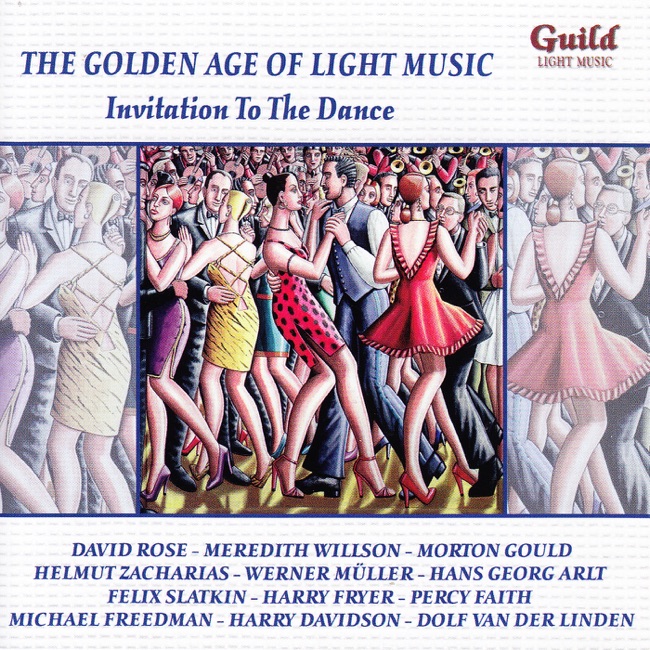 June 10, 2014
 -
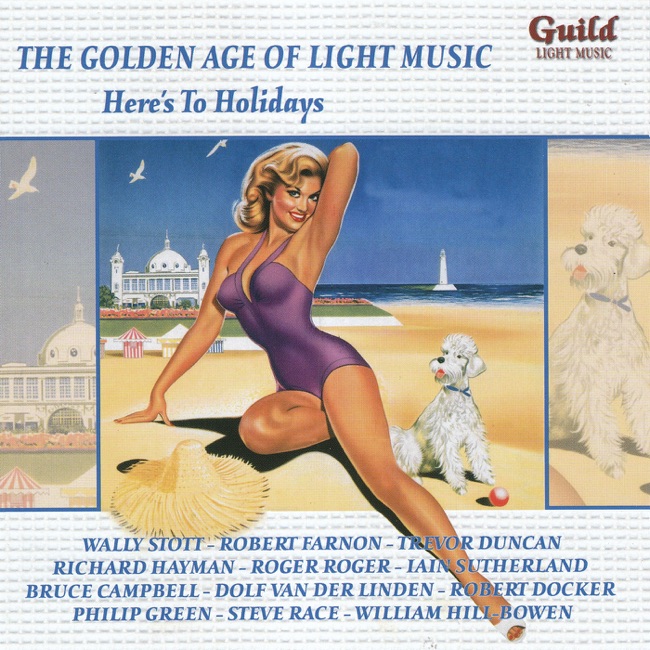 August 5, 2013
 -
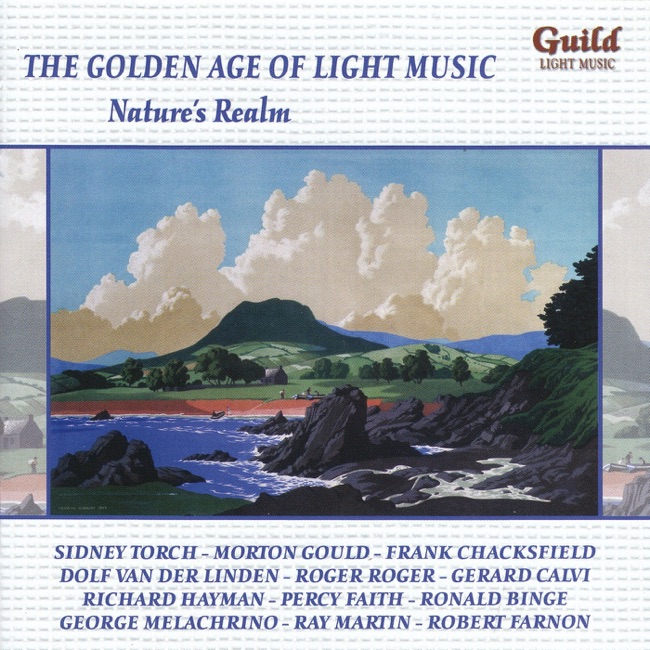 July 2, 2012
 -
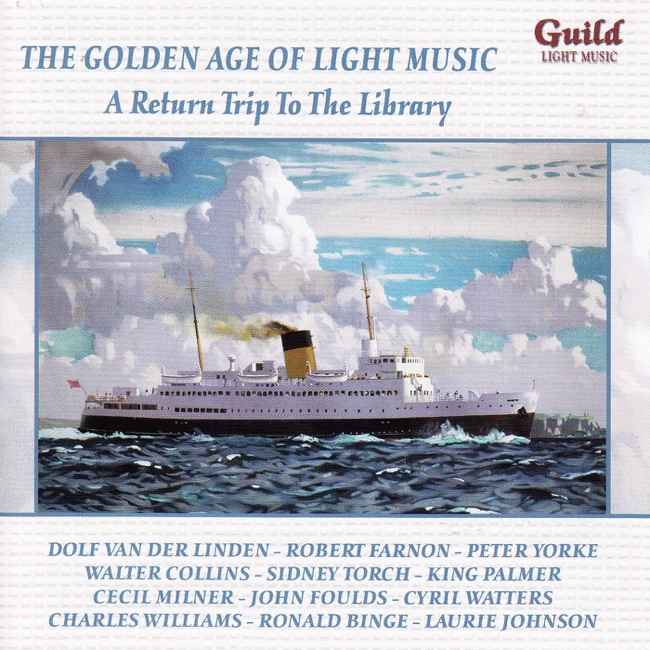 November 7, 2011
 -
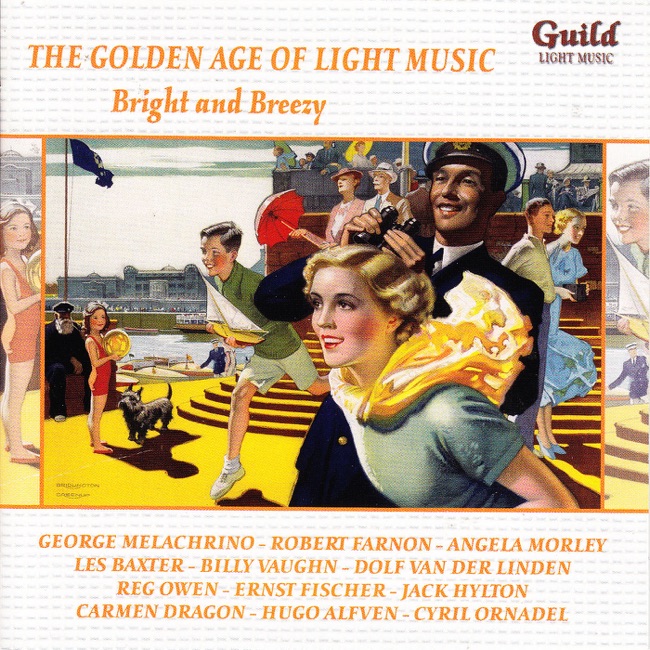 July 4, 2011
Artist Info
Role:ComposerBirth:1930Death:1999Anthony Mawer was a British composer of classical music, born on October 22, 1949, in London, England. He grew up in a family of musicians, with his father being a professional violinist and his mother a pianist. Mawer started playing the piano at a young age and showed a natural talent for music. He attended the Royal Academy of Music in London, where he studied composition with Alan Bush and piano with Gordon Green. Mawer's early compositions were influenced by the avant-garde music of the 1960s, particularly the works of Pierre Boulez and Karlheinz Stockhausen. He was also interested in the music of the Second Viennese School, particularly the works of Arnold Schoenberg. Mawer's early works were characterized by complex rhythms, dissonant harmonies, and unconventional forms. In the 1970s, Mawer's style began to evolve, and he started to incorporate more tonal elements into his music. He also became interested in the music of the Baroque period, particularly the works of J.S. Bach. Mawer's compositions from this period were characterized by a more lyrical and expressive style, with a greater emphasis on melody and harmony. One of Mawer's most significant works from this period is his Piano Concerto, which was premiered in 1979 by the BBC Symphony Orchestra, with Mawer himself as the soloist. The concerto is a virtuosic work that showcases Mawer's pianistic skills and his ability to write for orchestra. The work is in three movements, with the first and third movements being fast and rhythmic, while the second movement is slow and lyrical. In the 1980s, Mawer's style continued to evolve, and he started to incorporate more elements of world music into his compositions. He was particularly interested in the music of India and Indonesia and studied these musical traditions extensively. Mawer's compositions from this period were characterized by a more eclectic style, with a greater emphasis on rhythm and texture. One of Mawer's most significant works from this period is his String Quartet No. 2, which was premiered in 1986 by the Arditti Quartet. The quartet is a complex and virtuosic work that showcases Mawer's ability to write for string instruments. The work is in four movements, with each movement exploring different textures and timbres. In the 1990s, Mawer's style continued to evolve, and he started to incorporate more elements of jazz into his compositions. He was particularly interested in the music of Thelonious Monk and John Coltrane and studied these musical traditions extensively. Mawer's compositions from this period were characterized by a more improvisational style, with a greater emphasis on rhythm and harmony. One of Mawer's most significant works from this period is his Saxophone Concerto, which was premiered in 1995 by the BBC Symphony Orchestra, with John Harle as the soloist. The concerto is a virtuosic work that showcases Mawer's ability to write for saxophone and orchestra. The work is in three movements, with the first and third movements being fast and rhythmic, while the second movement is slow and lyrical. In the 2000s, Mawer's style continued to evolve, and he started to incorporate more elements of electronic music into his compositions. He was particularly interested in the music of Brian Eno and Aphex Twin and studied these musical traditions extensively. Mawer's compositions from this period were characterized by a more experimental style, with a greater emphasis on sound design and texture.More....
Recent Artist Music
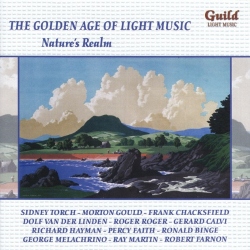
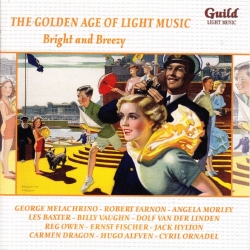
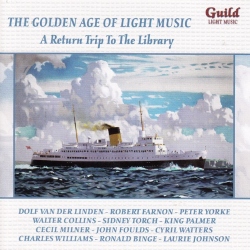
6
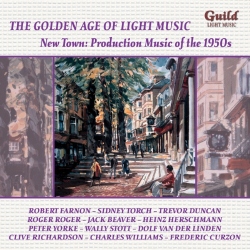
3:11
Copyright Ⓒ 2013 Davinci Finger. All rights reseved
Service Terms & Policy