


Józef Koffler
Released Album
Chamber
-
-
 August 28, 2015
 -
 September 14, 2010
Keyboard
-
 August 1, 2020
 -
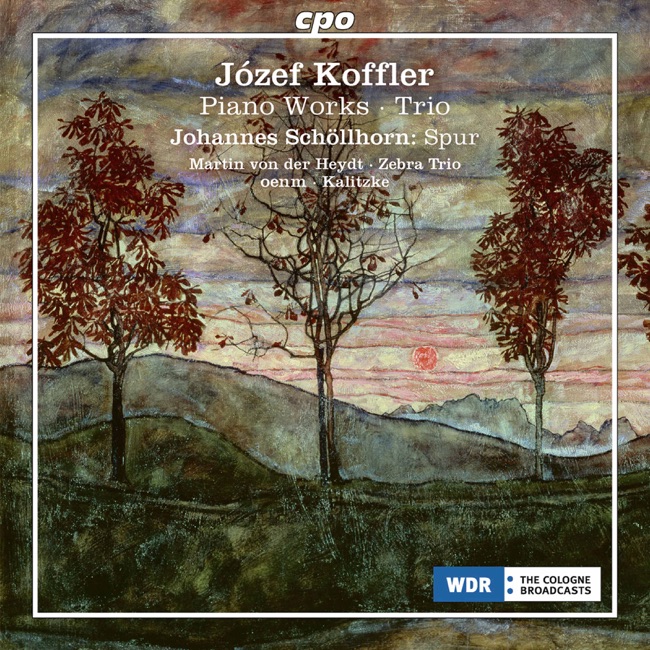 February 24, 2017
Artist Info
Role:ComposerCountry: PolandBirth:November 28, 1896 in Stryj, UkraineDeath:1944 in Krosno, PolandPeriod:ModernGenre:KeyboardJózef Koffler was a Polish composer who was born on October 30, 1896, in Stryj, which is now part of Ukraine. He was the son of a Jewish family, and his father was a merchant. Koffler showed an early interest in music and began studying piano at the age of six. He later studied composition with Karol Szymanowski and piano with Józef Turczyński at the Warsaw Conservatory. In 1921, Koffler moved to Vienna, where he continued his studies with Arnold Schoenberg and Anton Webern. He became a member of the Society for Private Musical Performances, which was founded by Schoenberg, and he also studied with Alban Berg. Koffler was deeply influenced by the Second Viennese School, and his music reflects the principles of atonality and serialism. Koffler's early works were influenced by the music of Szymanowski, but he soon developed his own style. His music is characterized by its complexity and its use of dissonance. Koffler was interested in exploring new forms and techniques, and he often experimented with unusual instrumental combinations. Koffler's most important works include his Symphony No. 1, which was composed in 1924, and his String Quartet No. 1, which was composed in 1925. Both works reflect Koffler's interest in atonality and serialism, and they are considered to be among his most important compositions. Koffler's Symphony No. 1 is a complex work that is divided into four movements. The first movement is characterized by its use of dissonance and its complex rhythms. The second movement is a slow and lyrical adagio, while the third movement is a lively scherzo. The final movement is a complex and intense fugue that brings the symphony to a dramatic conclusion. Koffler's String Quartet No. 1 is a challenging work that is characterized by its use of dissonance and its complex rhythms. The quartet is divided into four movements, and each movement explores different textures and moods. The first movement is a complex and dissonant fugue, while the second movement is a slow and lyrical adagio. The third movement is a lively scherzo, and the final movement is a complex and intense fugue that brings the quartet to a dramatic conclusion. Koffler's other important works include his Piano Sonata No. 1, which was composed in 1923, and his String Trio, which was composed in 1926. Both works reflect Koffler's interest in exploring new forms and techniques, and they are considered to be among his most important compositions. Koffler's Piano Sonata No. 1 is a challenging work that is characterized by its use of dissonance and its complex rhythms. The sonata is divided into three movements, and each movement explores different textures and moods. The first movement is a complex and dissonant fugue, while the second movement is a slow and lyrical adagio. The final movement is a lively and complex toccata that brings the sonata to a dramatic conclusion. Koffler's String Trio is a challenging work that is characterized by its use of dissonance and its complex rhythms. The trio is divided into three movements, and each movement explores different textures and moods. The first movement is a complex and dissonant fugue, while the second movement is a slow and lyrical adagio. The final movement is a lively and complex toccata that brings the trio to a dramatic conclusion. Koffler's music was not widely performed during his lifetime, and he struggled to gain recognition as a composer.More....
Recent Artist Music
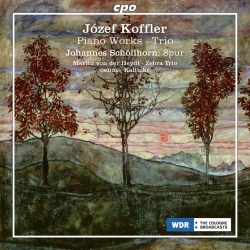
5
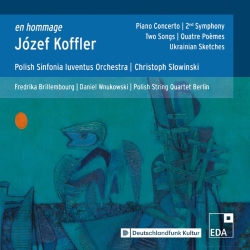
Ukrainian Sketches, string quartet No. 2, Op. 27
Allegretto moderato
En hommage Józef Koffler: Piano Concerto; 2nd Symphony; Two Songs; Quatre Poèmes; Ukrainian Sketches
1:1
Copyright Ⓒ 2013 Davinci Finger. All rights reseved
Service Terms & Policy