


Manolis Kalomiris
Released Album
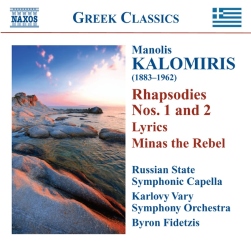
Orchestral
-
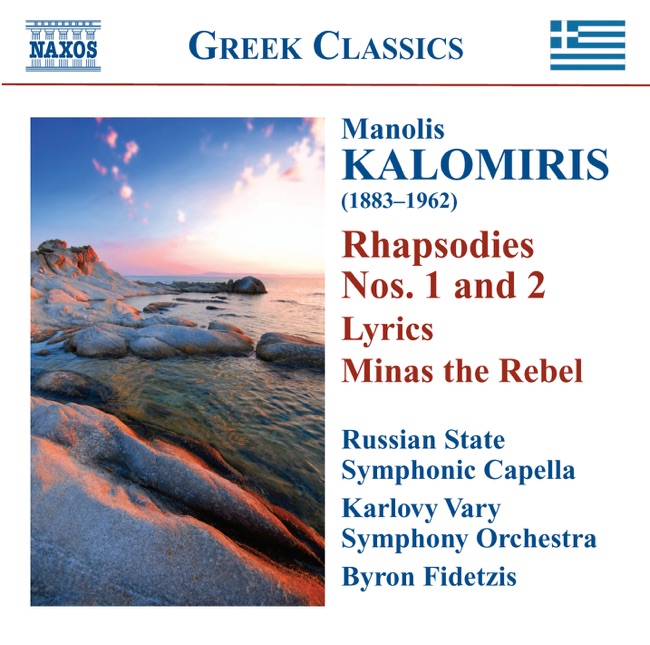 November 16, 2010
 -
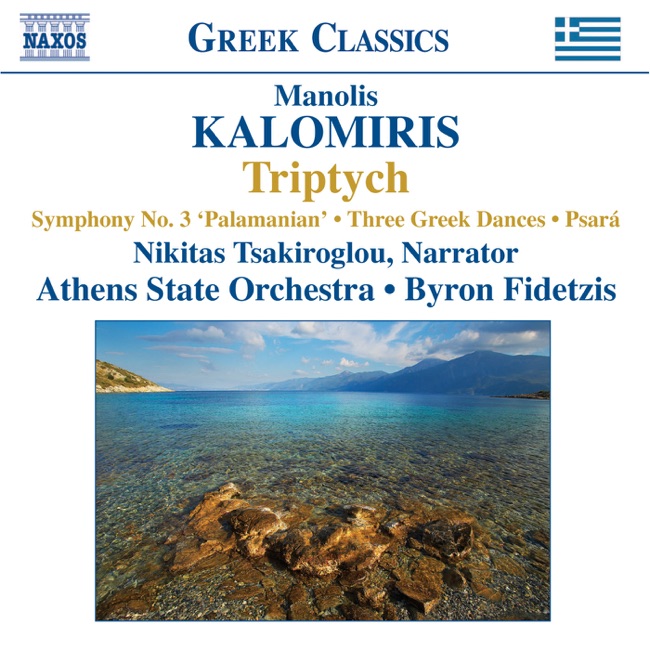 May 29, 2007
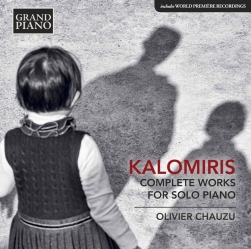
Keyboard
-
 August 25, 2021
 -
 August 16, 2019
 -
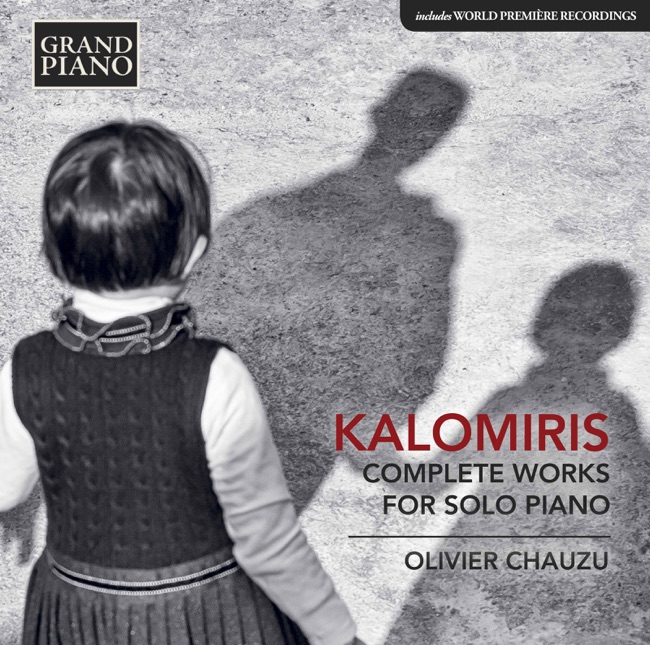 October 13, 2017
Vocal
-
 October 4, 2019
Artist Info
Role:ComposerBirth:December 14, 1883 in Izmir, TurkeyDeath:April 3, 1962 in Athens, GreecePeriod:ModernGenre:KeyboardOperaSymphonyVocalManolis Kalomiris was a prominent Greek composer of the 20th century, known for his contributions to the development of modern Greek music. Born on December 14, 1883, in Smyrna (now Izmir), Turkey, Kalomiris was the son of a wealthy merchant family. His father was a music lover and encouraged his son's interest in music from an early age. Kalomiris began his musical education at the age of six, studying piano with his mother. He later studied with the Italian pianist and composer Luigi Perrachio, who had settled in Smyrna. In 1901, Kalomiris moved to Athens to continue his studies at the Athens Conservatory, where he studied piano with Spyridon Samaras and composition with Georgios Lenas. In 1908, Kalomiris traveled to Germany to study music at the Leipzig Conservatory. There, he studied composition with Max Reger and piano with Robert Teichmüller. He also attended lectures by the famous musicologist Hugo Riemann. During his time in Germany, Kalomiris was exposed to the latest trends in European music, including the works of Richard Strauss, Gustav Mahler, and Arnold Schoenberg. Upon his return to Greece in 1910, Kalomiris became involved in the cultural and artistic life of Athens. He founded the Hellenic Music Society, which aimed to promote the study and performance of Greek music. He also began to compose his own music, drawing on the rich traditions of Greek folk music and mythology. Kalomiris's early works were heavily influenced by the Romantic tradition, with lush harmonies and sweeping melodies. His first major work, the symphonic poem "The Death of the Poet," was premiered in Athens in 1912. The piece was inspired by the death of the Greek poet Kostis Palamas and was a tribute to his life and work. In 1917, Kalomiris composed his most famous work, the ballet "The Return of Ulysses." The ballet tells the story of the Greek hero Ulysses, who returns home after the Trojan War to find his kingdom in disarray. The music is a blend of Greek folk melodies and modernist harmonies, reflecting Kalomiris's interest in both traditional and contemporary music. Throughout the 1920s and 1930s, Kalomiris continued to compose music that drew on Greek mythology and history. He also became involved in the political and social issues of the time, advocating for the preservation of Greek culture and language. In 1936, he was appointed director of the Athens Conservatory, a position he held until his retirement in 1951. During World War II, Kalomiris's music took on a more patriotic tone, reflecting the struggles of the Greek people against the Nazi occupation. His "Symphony No. 3," composed in 1944, is a powerful tribute to the Greek resistance movement. After the war, Kalomiris continued to compose music that blended traditional Greek melodies with modernist harmonies. His later works, such as the "Concerto for Piano and Orchestra" and the "Symphony No. 4," are characterized by their complex rhythms and harmonies, reflecting Kalomiris's interest in contemporary music. Kalomiris died on April 3, 1962, in Athens, leaving behind a legacy as one of the most important composers in the history of modern Greek music. His music continues to be performed and celebrated in Greece and around the world, and his contributions to the development of Greek music are widely recognized and celebrated.More....
Recent Artist Music
2
11:46

5

5:28

Copyright Ⓒ 2013 Davinci Finger. All rights reseved
Service Terms & Policy