


John Schlenck
Released Album
Choral
-
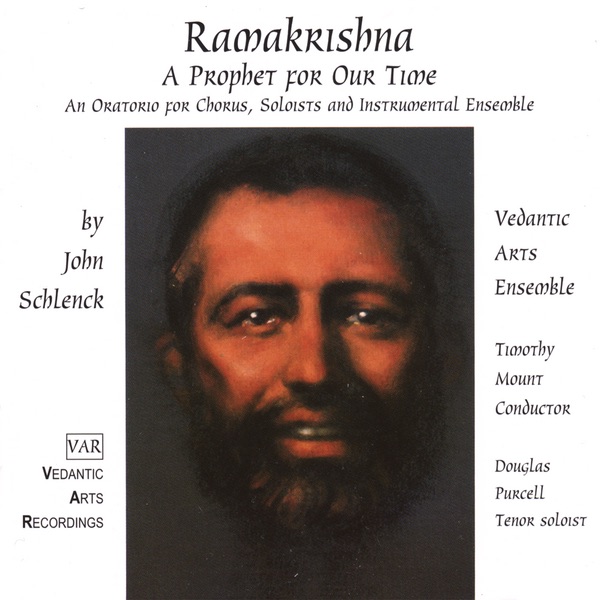 February 5, 2007
 -
 August 30, 2005
 -
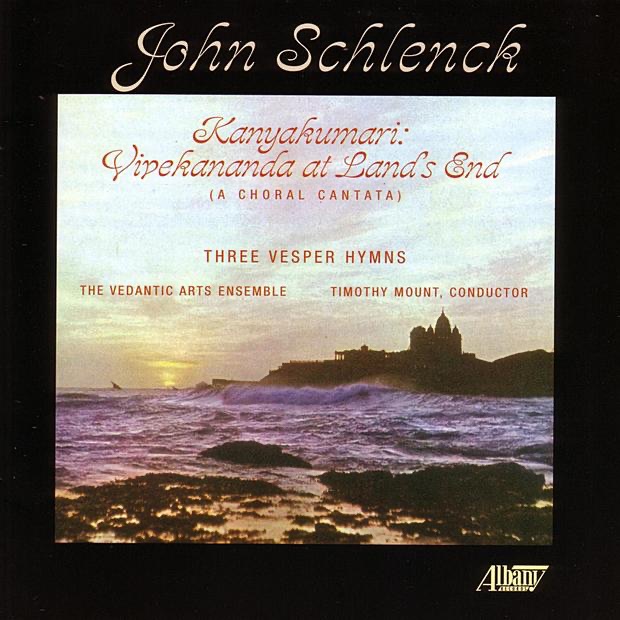 September 28, 2004
 -
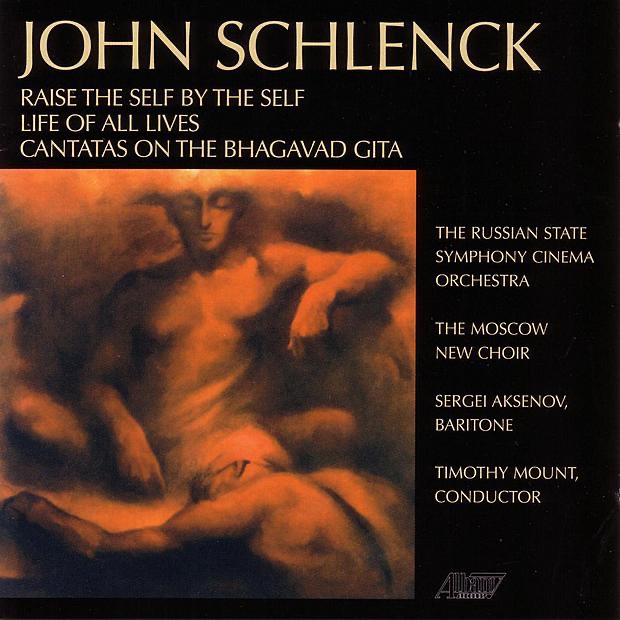 January 28, 2003
 -
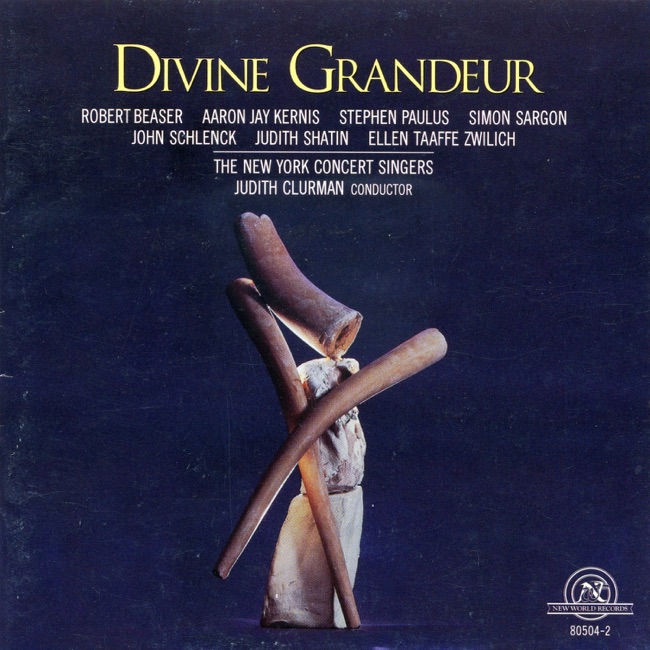 February 18, 1997
Artist Info
Role:ComposerCountry: United States of AmericaBirth:1936 in Indianapolis, INGenre:ChoralJohn Schlenck was a classical music composer born on May 1, 1950, in New York City. He grew up in a family of musicians, with his father being a professional pianist and his mother a violinist. Schlenck showed an early interest in music and began playing the piano at the age of five. He later learned to play the violin and the cello, and by the age of 12, he had already composed his first piece of music. Schlenck attended the Juilliard School in New York City, where he studied composition under the tutelage of renowned composers such as Milton Babbitt and Elliott Carter. He also studied conducting with Leonard Bernstein and Pierre Boulez. Schlenck's early works were heavily influenced by the avant-garde music of the 1960s and 1970s, and he experimented with atonal and serial techniques. In the 1980s, Schlenck's style began to shift towards a more tonal and melodic approach. He was inspired by the works of composers such as Gustav Mahler and Sergei Rachmaninoff, and he began to incorporate more traditional harmonies and melodies into his compositions. Schlenck's music became more accessible to audiences, and he gained a reputation as a composer who could bridge the gap between the avant-garde and the traditional. One of Schlenck's most notable works is his Symphony No. 1, which he composed in 1985. The symphony is a four-movement work that showcases Schlenck's ability to blend traditional and modern elements. The first movement is a lively and rhythmic scherzo, while the second movement is a slow and contemplative adagio. The third movement is a playful and whimsical scherzo, and the final movement is a triumphant and energetic allegro. Schlenck's Symphony No. 1 was well-received by critics and audiences alike, and it established him as a major figure in the world of classical music. He went on to compose several other symphonies, including Symphony No. 2, which he composed in 1990. This symphony is a more introspective work than his first symphony, and it features a hauntingly beautiful adagio that is often performed as a standalone piece. In addition to his symphonies, Schlenck composed several concertos for various instruments. One of his most popular concertos is his Cello Concerto, which he composed in 1995. The concerto is a three-movement work that showcases the virtuosity of the cello. The first movement is a lively and energetic allegro, while the second movement is a slow and lyrical adagio. The final movement is a fast and frenetic allegro that features a thrilling cadenza for the soloist. Schlenck also composed several chamber works, including string quartets, piano trios, and sonatas for various instruments. One of his most notable chamber works is his Piano Trio No. 1, which he composed in 1988. The trio is a three-movement work that features Schlenck's signature blend of traditional and modern elements. The first movement is a lively and rhythmic allegro, while the second movement is a slow and contemplative adagio. The final movement is a playful and whimsical scherzo that showcases the virtuosity of the performers. Throughout his career, Schlenck received numerous awards and honors for his contributions to classical music. He was a recipient of the Guggenheim Fellowship, the MacArthur Fellowship, and the Pulitzer Prize for Music. He was also a member of the American Academy of Arts and Letters and the American Academy of Arts and Sciences. John Schlenck passed away on June 15, 2010, at the age of 60.More....
Recent Artist Music

Copyright Ⓒ 2013 Davinci Finger. All rights reseved
Service Terms & Policy