


Wilhelm Taubert
Released Album
Vocal
-
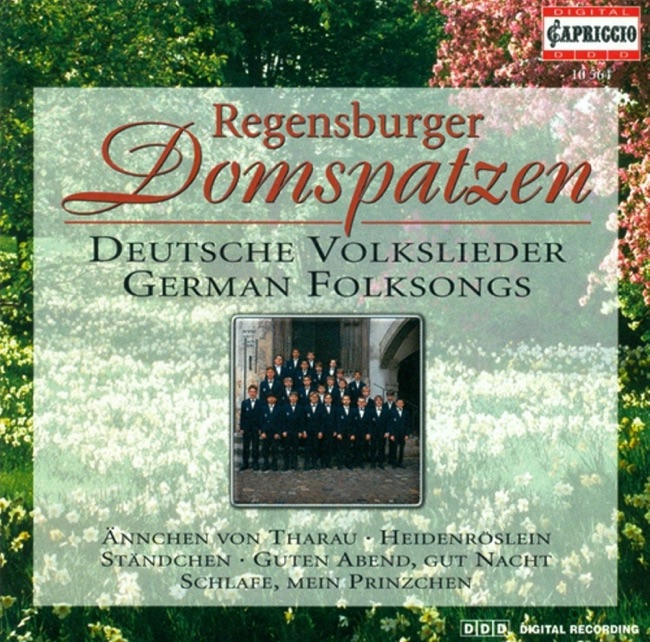 July 10, 2000
 -
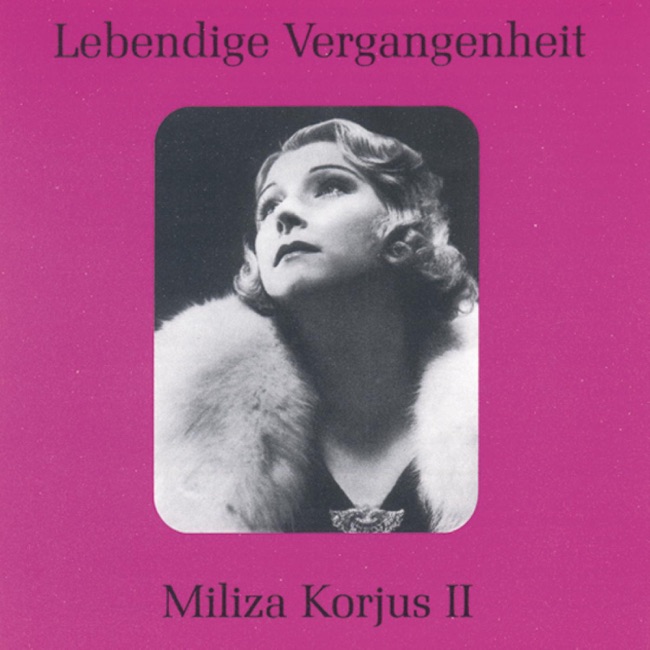 March 2, 1999
Keyboard
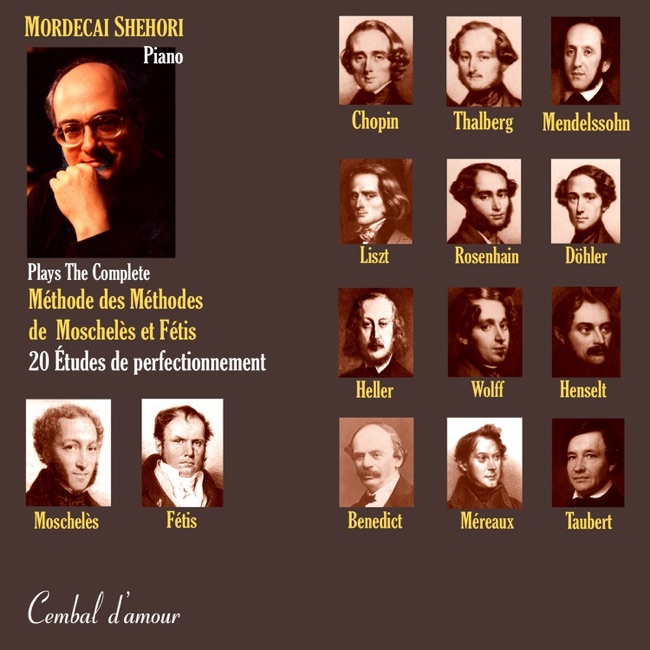
Concerto
-
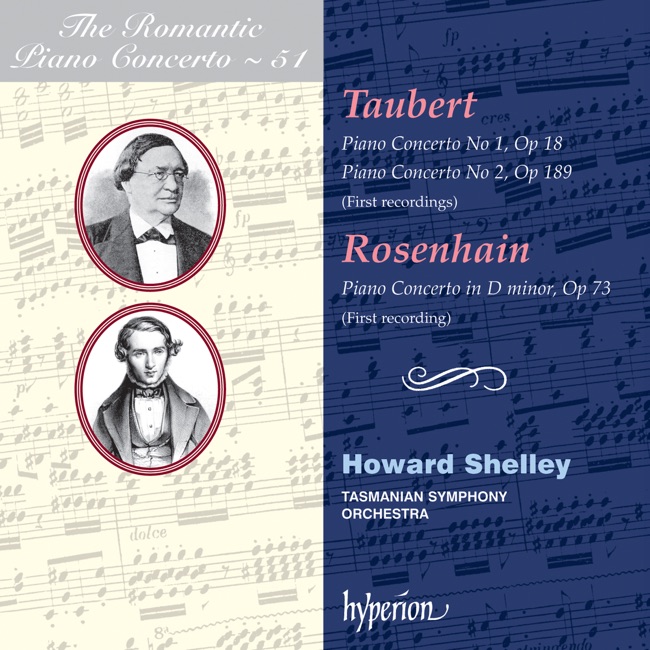 August 10, 2010
Artist Info
Role:ComposerCountry: GermanyBirth:March 23, 1811Death:January 7, 1891Period:RomanticGenre:ChoralVocalWilhelm Taubert was a German composer, pianist, and conductor who lived from 1811 to 1891. He was born in Berlin, Germany, on February 15, 1811, into a family of musicians. His father, Eduard Taubert, was a composer and pianist, and his mother, Henriette Voigt, was a singer. Wilhelm Taubert showed an early interest in music and began taking piano lessons from his father at a young age. Taubert's musical education continued at the Berlin Singakademie, where he studied under Carl Friedrich Zelter. He also studied composition with Siegfried Dehn and piano with Ludwig Berger. In 1830, Taubert made his debut as a pianist in Berlin, and in 1832, he became the conductor of the Berlin Singakademie. Taubert's career as a composer began in earnest in the 1830s. He wrote a number of works for piano, including sonatas, variations, and character pieces. He also composed songs, choral works, and chamber music. In 1837, he wrote his first symphony, which was well-received and helped establish his reputation as a composer. In 1841, Taubert was appointed the conductor of the Royal Opera in Berlin, a position he held for 30 years. During his tenure, he conducted many premieres of operas by German composers, including Richard Wagner's Tannhäuser and Lohengrin. Taubert was also a prolific composer of operas himself, writing more than 20 works for the stage. Taubert's music is characterized by its lyricism, elegance, and clarity. He was a master of melody and harmony, and his works are notable for their expressive power and emotional depth. His piano music, in particular, is highly regarded for its technical demands and musical sophistication. Some of Taubert's most famous works include his Piano Concerto No. 1 in F minor, his Symphony No. 2 in B-flat major, and his opera Die Kirmes. He also wrote a number of works for choir, including his setting of Psalm 23, which is still performed today. Taubert's influence on the development of German music in the 19th century was significant. He was a key figure in the Berlin music scene, and his work as a conductor helped to establish the city as a center of musical excellence. His compositions were widely performed and admired, and he was respected by his peers for his musical talent and dedication to the art form. In addition to his work as a composer and conductor, Taubert was also a respected music educator. He taught at the Berlin Conservatory from 1850 to 1879, and his students included some of the most important composers of the next generation, including Max Bruch and Engelbert Humperdinck. Taubert died in Berlin on January 7, 1891, at the age of 79. His legacy as a composer, conductor, and educator continues to be celebrated today, and his music remains an important part of the classical repertoire.More....
Recent Artist Music

6
1:47
Copyright Ⓒ 2013 Davinci Finger. All rights reseved
Service Terms & Policy