


Richard Nicholson
Released Album
Chamber
-
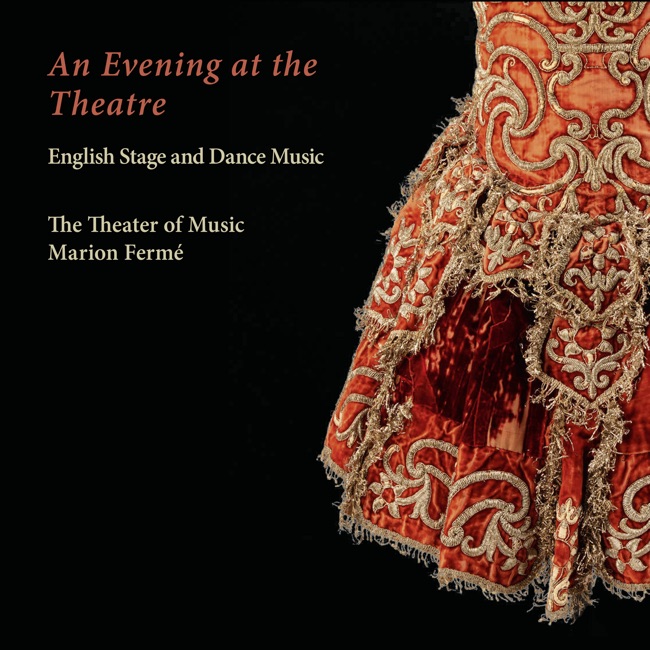 November 12, 2021
 -
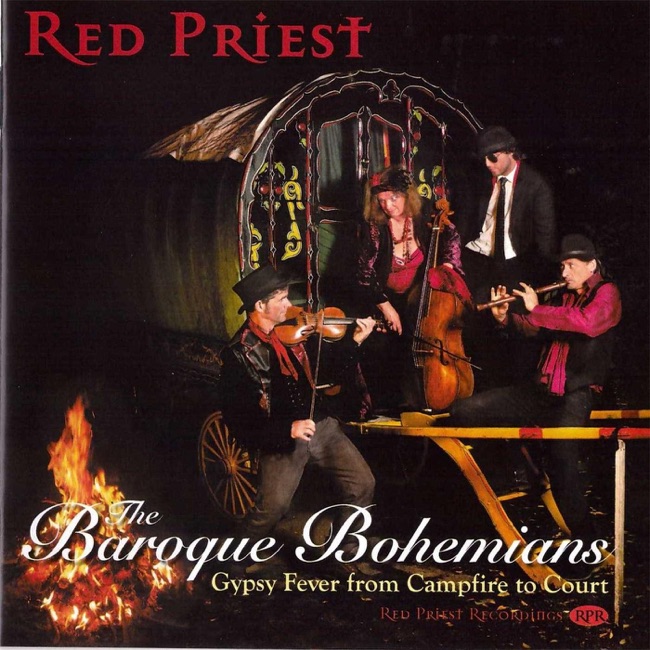 October 6, 2017
 -
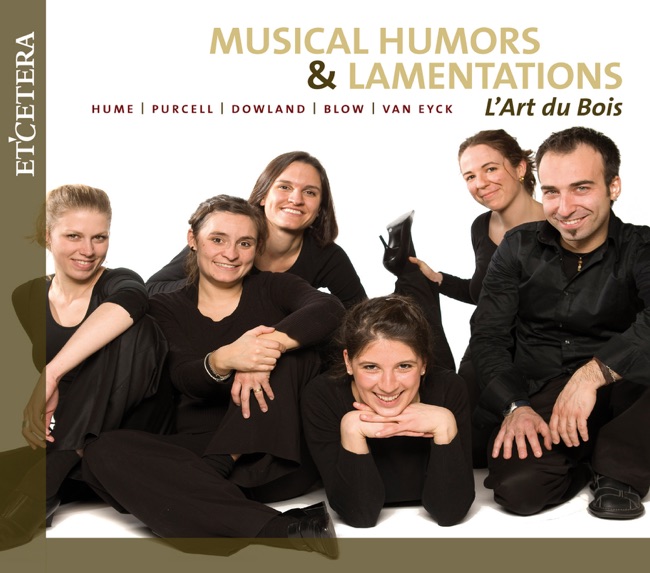 April 12, 2011
 -
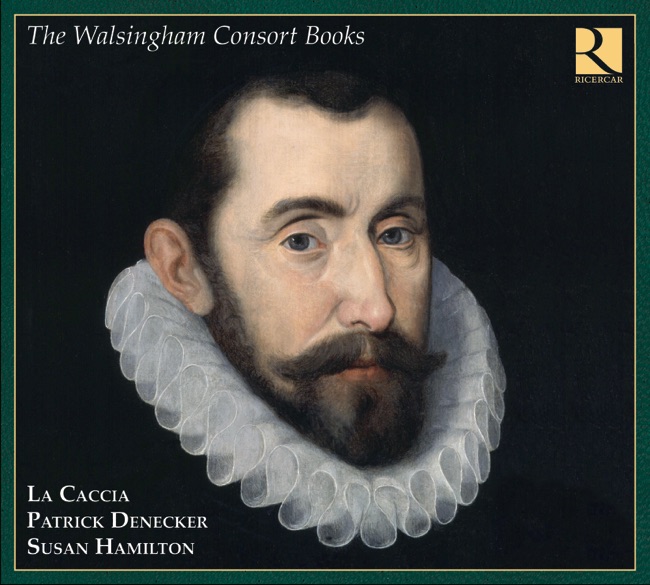 February 10, 2009
 -
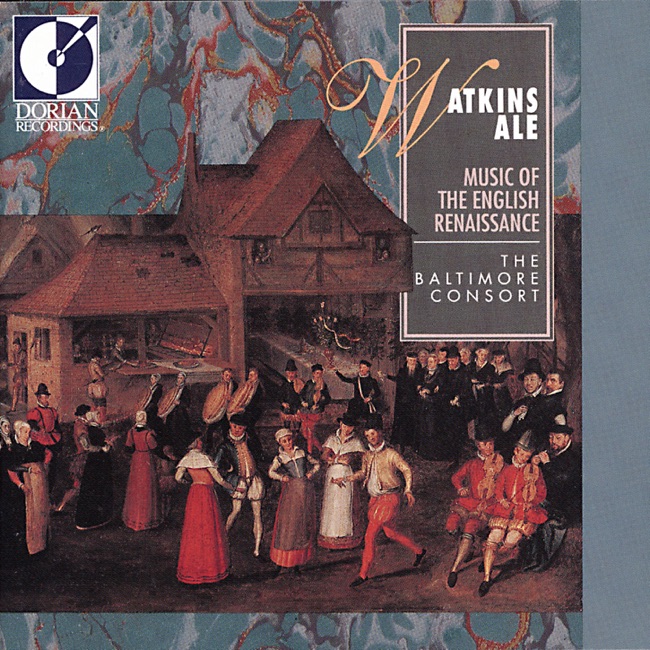 January 1, 1991
 -
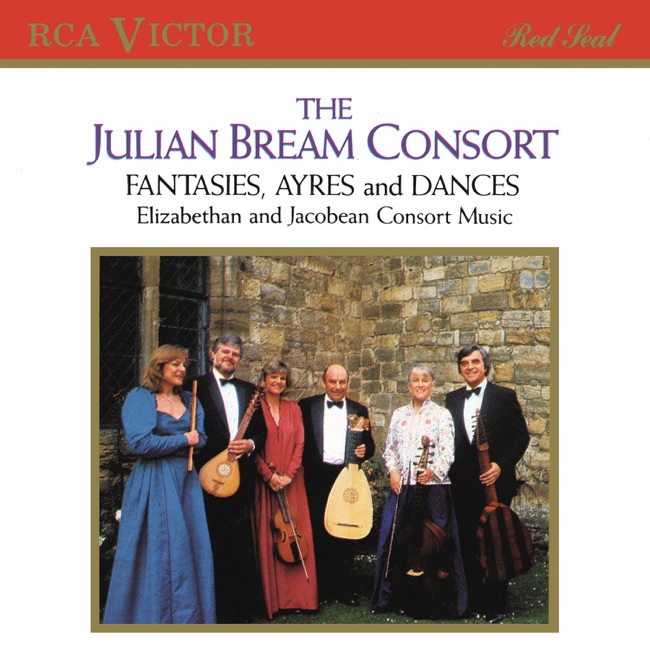
Vocal
-
 September 18, 2020
 -
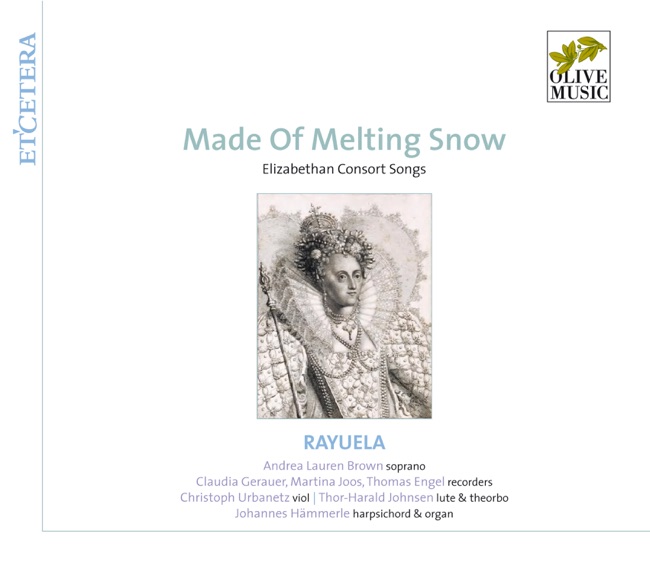 April 9, 2013
 -
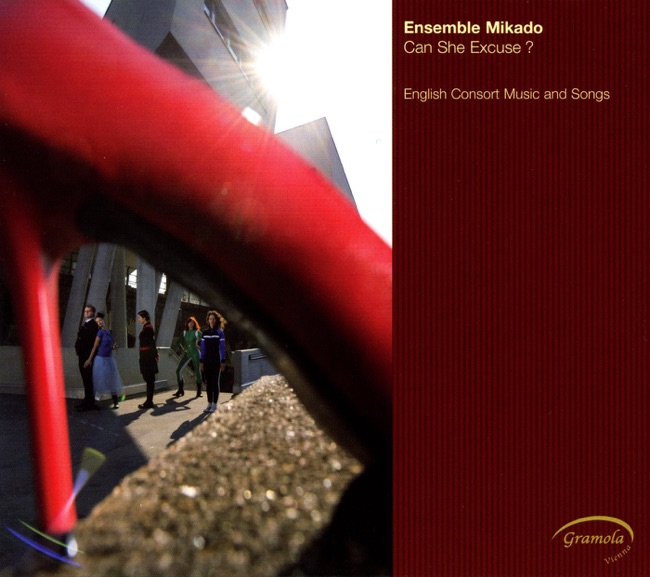 December, 2008
 -
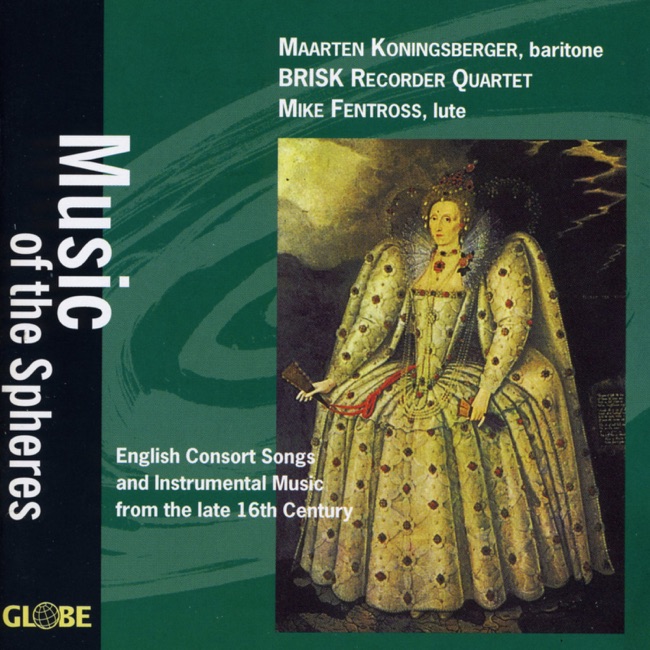 May 9, 2006
 -
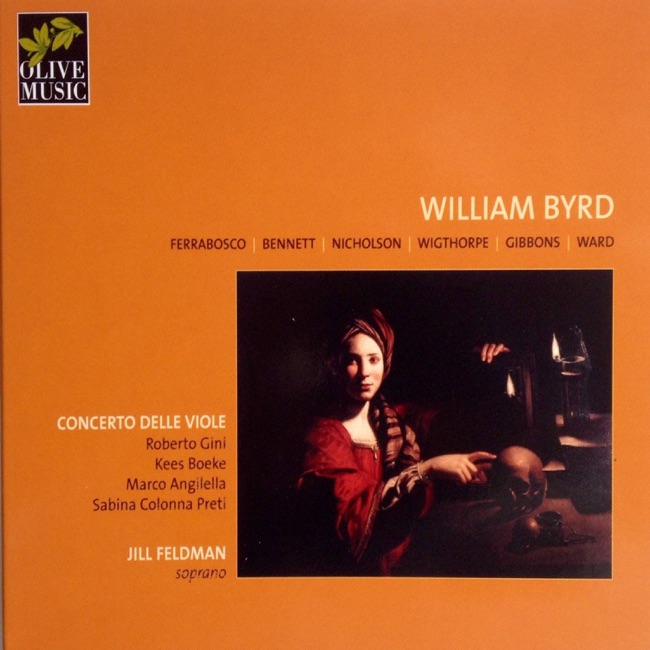 July 12, 2005
Miscellaneous
-
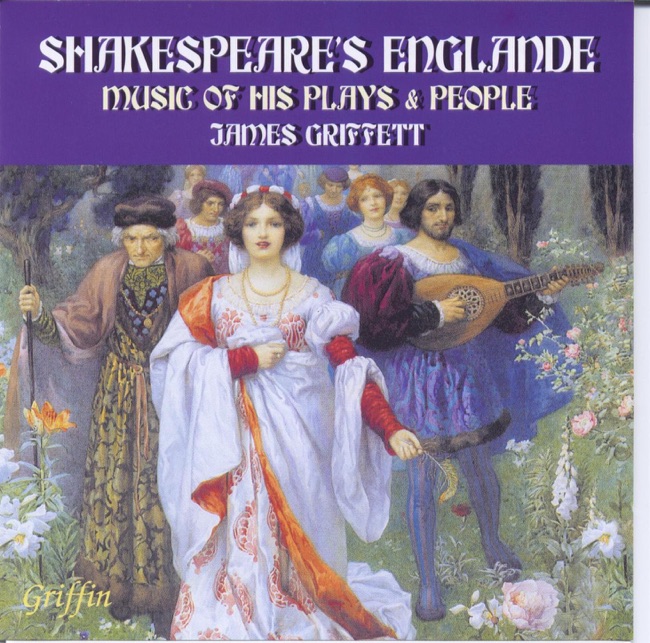 September 24, 2002
 -
 June 24, 1997
Choral
-
 February 1, 2002
Artist Info
Role:ComposerCountry: United KingdomBirth:1570Death:1638Period:RenaissanceGenre:ChamberVocalRichard Nicholson was a British composer who lived from 1938 to 1996. He was born in London and grew up in a family of musicians. His father was a professional violinist, and his mother was a pianist. Nicholson showed an early interest in music and began playing the piano at the age of four. He later learned to play the violin and the cello. Nicholson attended the Royal Academy of Music in London, where he studied composition with Alan Bush and conducting with Maurice Miles. He also studied at the Paris Conservatoire with Olivier Messiaen and Nadia Boulanger. During his time in Paris, Nicholson was exposed to the avant-garde music of the time, which had a significant influence on his own compositions. Nicholson's early works were heavily influenced by the serialist techniques of composers like Arnold Schoenberg and Anton Webern. However, he soon began to develop his own style, which was characterized by a blend of tonal and atonal elements. His music was often complex and challenging, but also highly expressive and emotional. One of Nicholson's early works was his String Quartet No. 1, which was composed in 1962. The piece is a prime example of his early serialist style, with its use of complex rhythms and dissonant harmonies. However, the quartet also contains moments of lyricism and beauty, particularly in the slow movement. In the 1970s, Nicholson began to incorporate more tonal elements into his music. This can be heard in works like his Symphony No. 1, which was composed in 1974. The symphony is a large-scale work that combines elements of traditional symphonic form with modernist techniques. It is characterized by its use of rich harmonies and lush orchestration. Another important work from this period is Nicholson's Piano Concerto, which was composed in 1978. The concerto is a virtuosic showcase for the soloist, with its fast-paced rhythms and intricate passagework. However, it also contains moments of introspection and lyricism, particularly in the slow movement. In the 1980s, Nicholson's music became more experimental and eclectic. He began to incorporate elements of jazz and rock music into his compositions, as well as electronic and computer-generated sounds. This can be heard in works like his Symphony No. 3, which was composed in 1986. The symphony is a highly original work that combines elements of classical and popular music, as well as computer-generated sounds. One of Nicholson's most famous works is his opera, The Tempest, which was composed in 1991. The opera is based on Shakespeare's play of the same name and is characterized by its lush orchestration and expressive vocal writing. The opera was well-received by critics and audiences alike and is considered one of Nicholson's masterpieces. Sadly, Nicholson's career was cut short by his untimely death in 1996. However, his legacy lives on through his music, which continues to be performed and recorded by musicians around the world. Nicholson was a highly original and innovative composer who pushed the boundaries of classical music and created a unique and personal style. His music is a testament to his talent and his passion for the art form.More....
Recent Artist Music
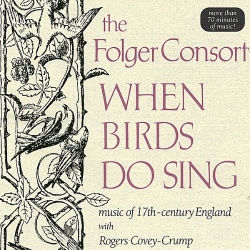
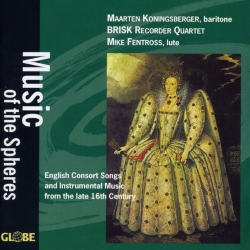
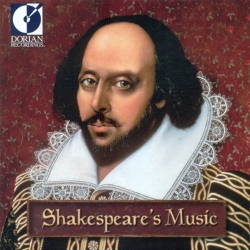
6
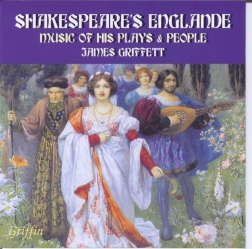
1:6

Copyright Ⓒ 2013 Davinci Finger. All rights reseved
Service Terms & Policy