


Herbert Brün
Released Album
Chamber
-
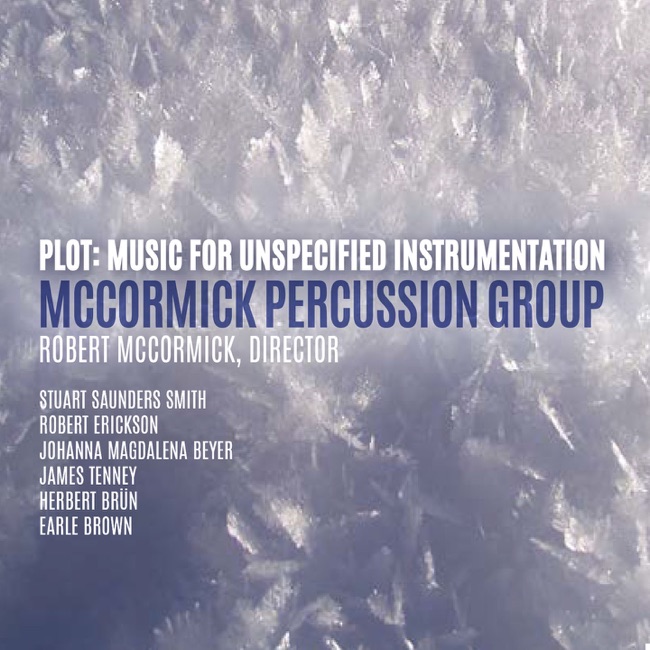 October 9, 2015
 -
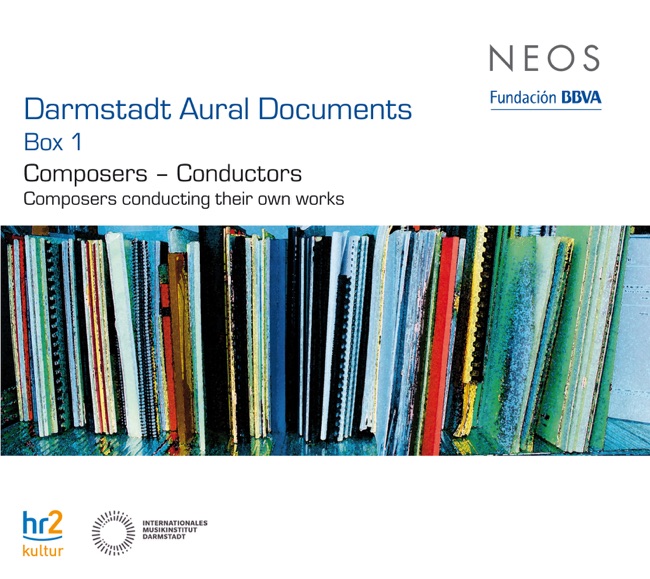 November 30, 2010
 -
 January 23, 2009
Artist Info
Role:Composer Conductor PerformerCountry: GermanyBirth:July 9, 1918 in Berlin, GermanyDeath:November 6, 2000 in Urbana, ILPeriod:ContemporaryModernGenre:Avant-GardeHerbert Brün was a German-American composer, born on February 9, 1918, in Berlin, Germany. He was the son of a Jewish family, and his father was a successful businessman. Brün showed an early interest in music and began playing the piano at a young age. He studied music at the Berlin Conservatory and later at the University of Berlin, where he earned a degree in musicology. In 1938, Brün fled Germany with his family to escape the Nazi regime. They settled in Palestine, where Brün continued his music studies at the Jerusalem Conservatory. He also worked as a pianist and composer, performing in concerts and composing music for theater productions. In 1949, Brün moved to the United States and settled in New York City. He continued his music studies at the Juilliard School and later at Columbia University, where he earned a Ph.D. in music composition. During this time, he also worked as a pianist and composer, performing in concerts and composing music for dance and theater productions. Brün's early compositions were influenced by the serialism of Arnold Schoenberg and Anton Webern. However, he soon began to develop his own unique style, which incorporated electronic and computer-generated sounds. He was one of the pioneers of electronic music, and his compositions often featured complex rhythms and textures. One of Brün's most famous works is "Music for Viola and Tape," which he composed in 1967. The piece features a solo viola accompanied by electronic sounds, which were created using a computer. The piece is known for its complex rhythms and textures, and it has been performed by many prominent musicians. Another notable work by Brün is "The Machine as Seen at the End of the Mechanical Age," which he composed in 1968. The piece features a combination of electronic and acoustic sounds, and it was inspired by an exhibition at the Museum of Modern Art in New York City. The piece is known for its use of unconventional sounds, such as the sound of a typewriter and a cash register. Brün was also known for his work in the field of computer music. He was one of the first composers to use computers to generate music, and he developed several computer programs for music composition. One of his most famous computer-generated works is "Music for a Metamorphosis," which he composed in 1972. The piece features a combination of electronic and acoustic sounds, which were generated using a computer program that Brün developed. In addition to his work as a composer, Brün was also a respected music educator. He taught at several universities, including the University of Illinois and the University of California, San Diego. He was known for his innovative teaching methods, which incorporated electronic music and computer-generated sounds. Brün continued to compose music until his death on November 6, 2000, in San Diego, California. He was 82 years old. His contributions to the field of electronic music and computer music have had a lasting impact on the world of music, and his innovative compositions continue to be performed and studied by musicians and music scholars around the world.More....
Recent Artist Music
2
Sonoriferous Loops, Op. 32
Sonoriferous Loops, Op. 32, for five instrumentalists and two-channel tape
14:40
5
14:33
Copyright Ⓒ 2013 Davinci Finger. All rights reseved
Service Terms & Policy