


Peter Fribbins
Released Album
Chamber
-
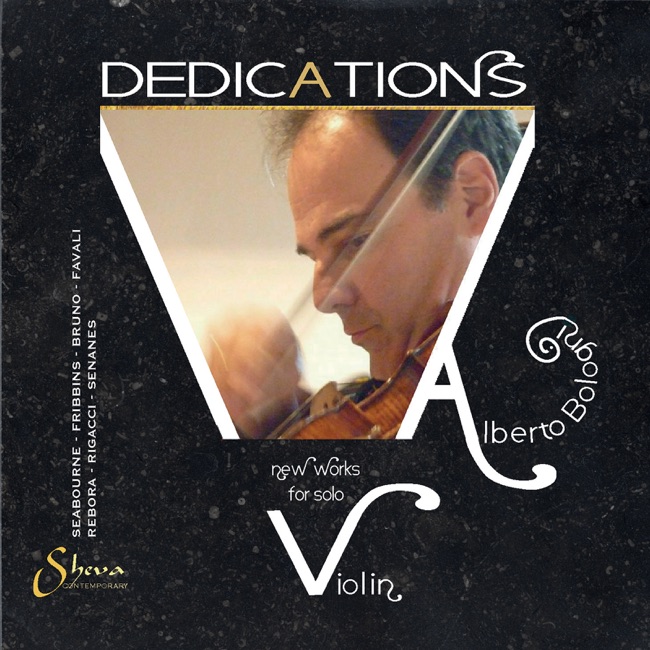 February 2, 2018
 -
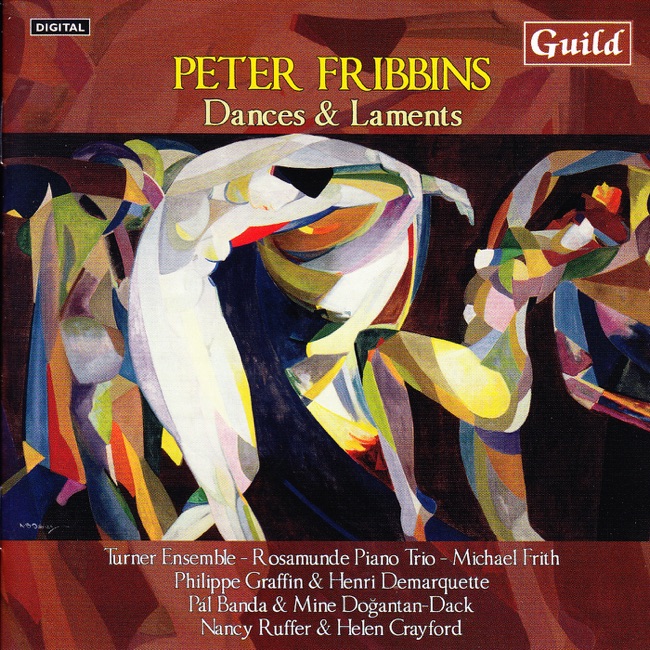 August 5, 2013
 -
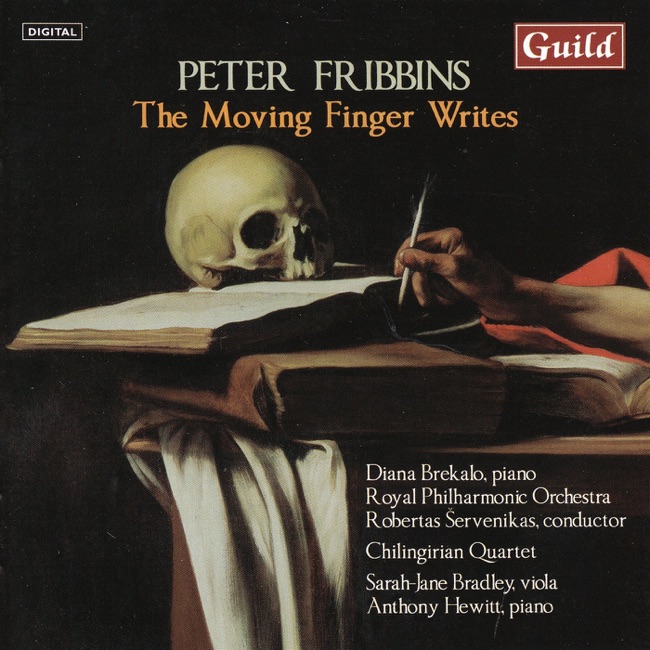 July 2, 2012
 -
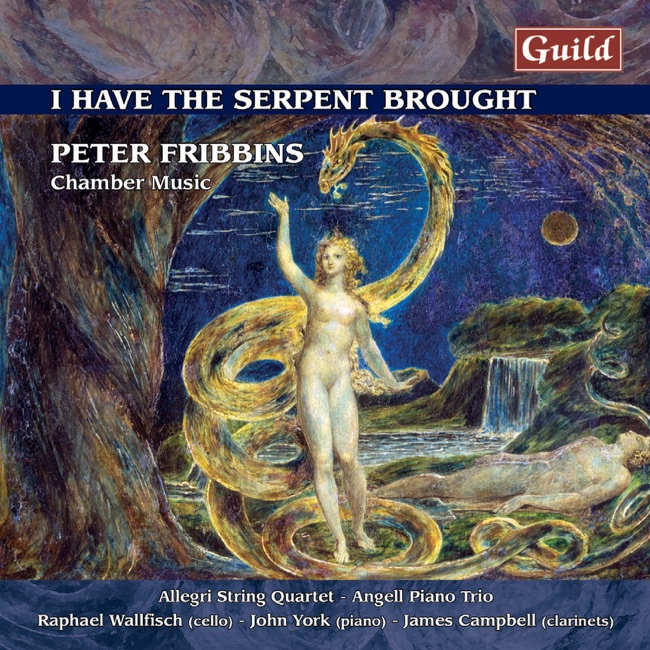 August 10, 2010
 -
 December 18, 2001
Concerto
-
 August 4, 2017
Artist Info
Role:ComposerBirth:1969Peter Fribbins is a British composer who was born on May 25, 1969, in London. He grew up in a family of musicians, with his father being a professional violinist and his mother a pianist. Fribbins started playing the piano at the age of five and later learned to play the violin and the guitar. He showed an early interest in composition and began writing music at the age of eight. Fribbins received his formal education in music at the Royal Academy of Music in London, where he studied composition with Paul Patterson and piano with Christopher Elton. He also studied with the renowned composer and conductor Leonard Bernstein at Tanglewood in the United States. Fribbins graduated from the Royal Academy of Music with a Bachelor of Music degree in 1991 and a Master of Music degree in 1992. Fribbins' music is characterized by its lyricism, clarity, and emotional depth. He draws inspiration from a wide range of sources, including literature, art, and nature. His compositions are often described as being "neo-romantic," with a strong emphasis on melody and harmony. One of Fribbins' early works is his Piano Sonata, which he composed in 1989 while still a student at the Royal Academy of Music. The piece is in three movements and showcases Fribbins' skill as a pianist and composer. The first movement is marked by its lyrical melodies and intricate harmonies, while the second movement is more introspective and contemplative. The final movement is a lively and energetic dance, with a strong rhythmic drive. Fribbins' music has been performed by some of the world's leading orchestras and ensembles, including the London Symphony Orchestra, the BBC Symphony Orchestra, and the Royal Philharmonic Orchestra. His works have also been featured at major music festivals, such as the Proms in London and the Edinburgh International Festival. One of Fribbins' most celebrated works is his Violin Concerto, which he composed in 2002. The piece was commissioned by the London Symphony Orchestra and was premiered by the orchestra with soloist Tasmin Little. The concerto is in three movements and showcases Fribbins' skill at writing for the violin. The first movement is marked by its soaring melodies and virtuosic passages, while the second movement is more introspective and contemplative. The final movement is a lively and energetic dance, with a strong rhythmic drive. Fribbins has also written a number of chamber works, including his String Quartet No. 2, which he composed in 2008. The piece is in four movements and showcases Fribbins' skill at writing for the string quartet. The first movement is marked by its lyrical melodies and intricate harmonies, while the second movement is more introspective and contemplative. The third movement is a lively and energetic dance, with a strong rhythmic drive, while the final movement is a hauntingly beautiful adagio. In addition to his work as a composer, Fribbins is also a respected music educator. He has taught at a number of institutions, including the Royal Academy of Music, the Royal College of Music, and the University of Surrey. He has also given masterclasses and workshops around the world, sharing his knowledge and expertise with aspiring musicians. Fribbins' music has been widely praised for its beauty, emotional depth, and technical skill.More....
Recent Artist Music
Copyright Ⓒ 2013 Davinci Finger. All rights reseved
Service Terms & Policy