


Neil B. Rolnick
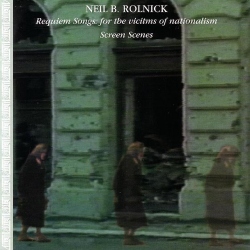
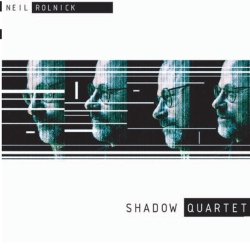
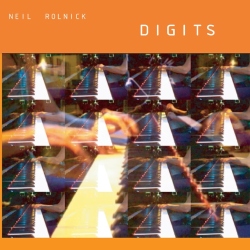
Released Album
Electronic/Computer
-
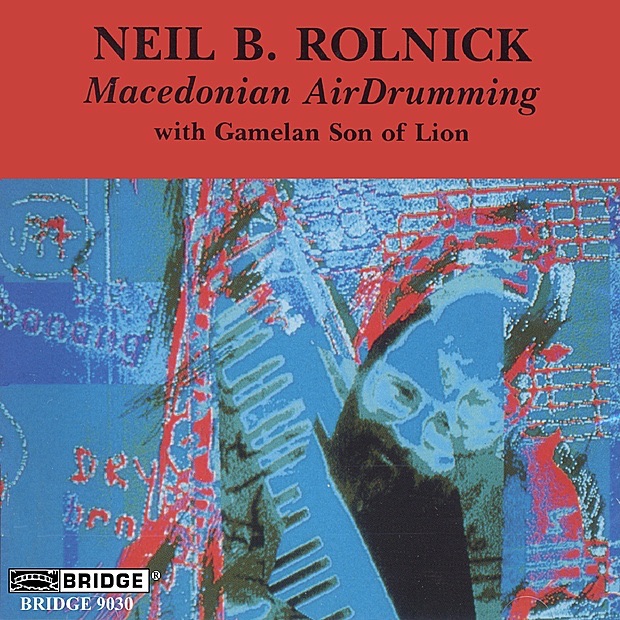 July, 1992
Vocal
-
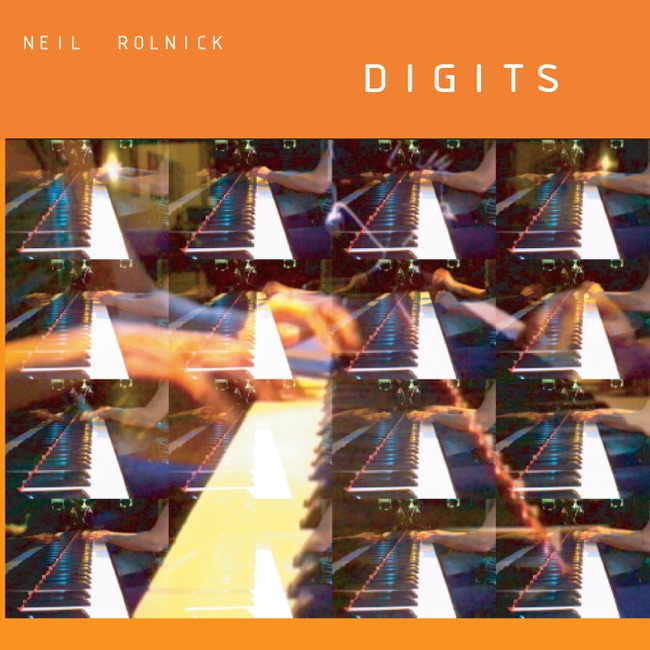 July 4, 2006
Chamber
-
 April 14, 2009
 -
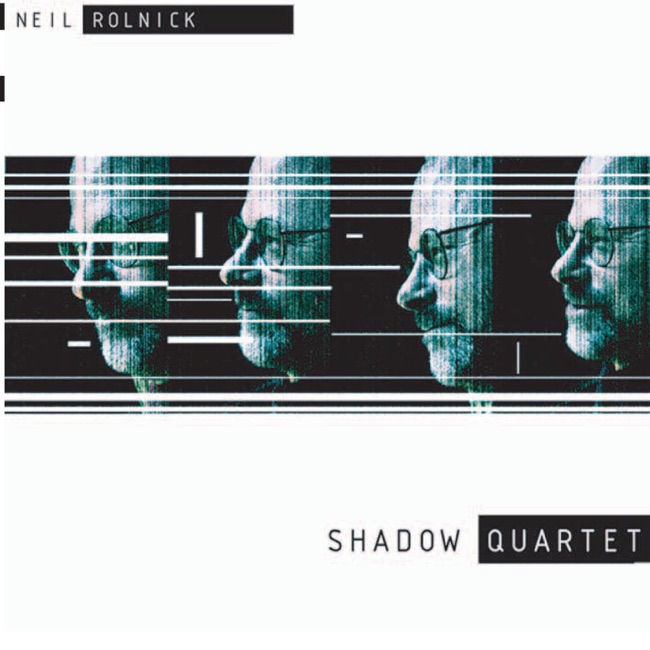 March 29, 2005
Artist Info
Role:ComposerCountry: United States of AmericaBirth:October 22, 1947 in Dallas, TXGenre:Avant-GardeNeil B. Rolnick is a renowned American composer, performer, and educator who has made significant contributions to the field of contemporary classical music. Born on January 16, 1947, in New York City, Rolnick grew up in a family of musicians. His father was a jazz pianist, and his mother was a classical pianist. From a young age, Rolnick showed a keen interest in music and began playing the piano at the age of six. Rolnick received his formal education in music at the Oberlin Conservatory of Music, where he studied composition with Randolph Coleman and Richard Hoffmann. He later went on to earn a Master's degree in composition from the University of Illinois at Urbana-Champaign, where he studied with Salvatore Martirano and Lejaren Hiller. Rolnick's early works were heavily influenced by the experimental music of the 1960s and 1970s, particularly the work of John Cage and Morton Feldman. His compositions from this period often featured unconventional instrumentation and extended techniques, such as his 1972 piece "Music for Violin with Magnetic Tape," which used a tape recorder to manipulate the sound of the violin. In the 1980s, Rolnick began to incorporate electronic and computer technology into his compositions, becoming one of the pioneers of the field of computer music. His 1984 piece "The Real Thief of Baghdad," for example, used a computer to generate and manipulate sound in real-time, creating a dynamic and interactive musical experience. Throughout his career, Rolnick has been a prolific composer, with over 100 works to his name. His compositions have been performed by some of the world's leading ensembles and soloists, including the Kronos Quartet, the Bang on a Can All-Stars, and the New York Philharmonic. One of Rolnick's most notable works is his 1991 piece "Dynamic RAM," which was commissioned by the Kronos Quartet. The piece features a computer-generated soundtrack that is synchronized with the live performance of the quartet, creating a seamless blend of acoustic and electronic sound. Another highlight of Rolnick's career is his 2001 opera "Magnetic North," which was commissioned by the Brooklyn Academy of Music. The opera tells the story of a woman who travels to the Arctic in search of her missing husband, and features a score that blends acoustic and electronic soundscapes to create a haunting and immersive musical experience. In addition to his work as a composer, Rolnick has also been an influential educator and advocate for contemporary classical music. He has taught at numerous institutions, including the University of California, San Diego, and the Rensselaer Polytechnic Institute, and has served as a mentor to many young composers. Rolnick's contributions to the field of contemporary classical music have been recognized with numerous awards and honors, including a Guggenheim Fellowship, a Fulbright Fellowship, and a National Endowment for the Arts grant. He continues to be an active composer and performer, pushing the boundaries of what is possible in the world of music.More....

Copyright Ⓒ 2013 Davinci Finger. All rights reseved
Service Terms & Policy