


Lita Grier
Released Album
Vocal
-
 May 23, 2011
 -
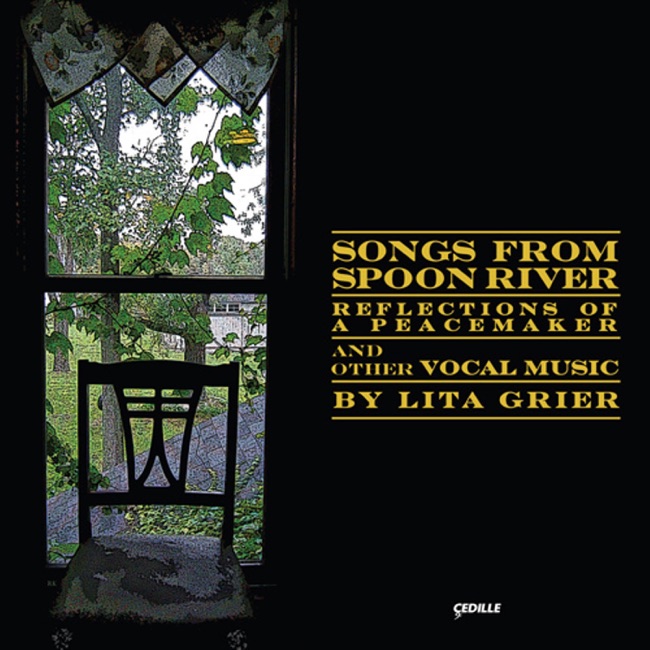 August 25, 2009
 -
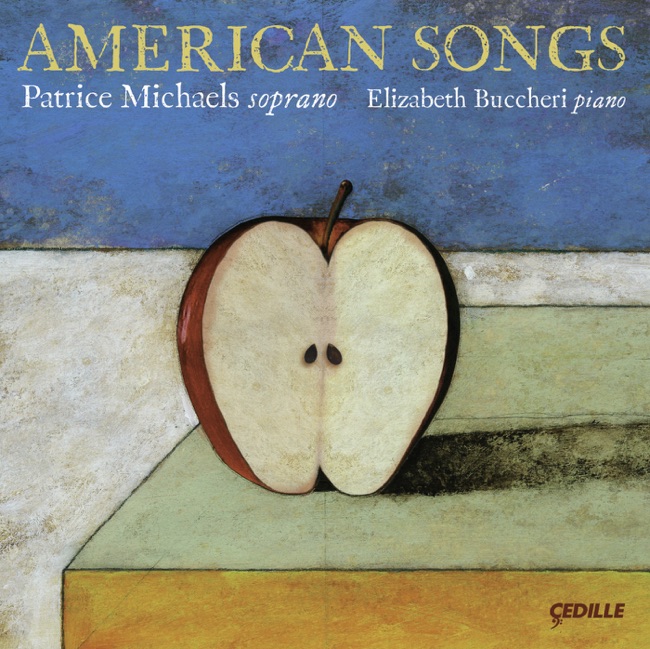 September 26, 2006
Chamber
-
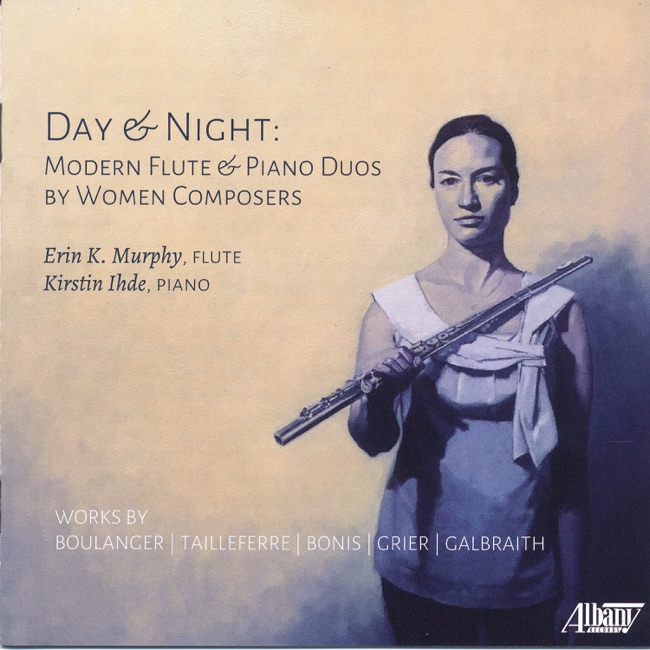 October 16, 2020
 -
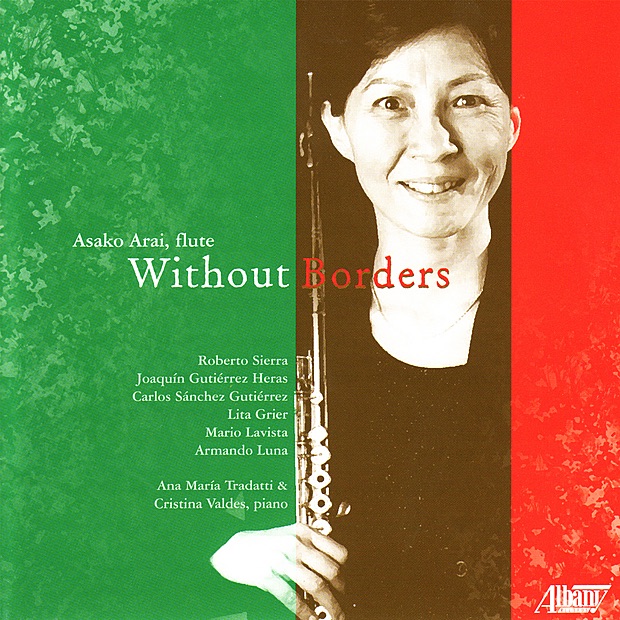 March 10, 2009
 -
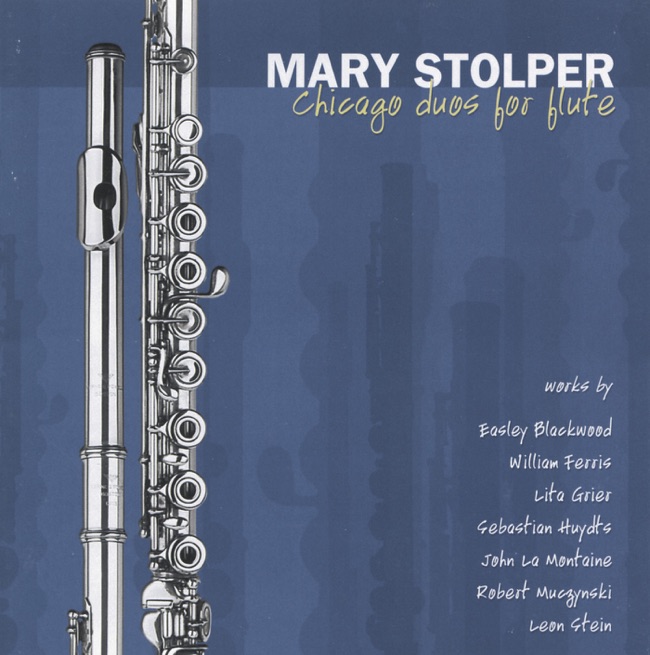 November 25, 2003
Concerto
-
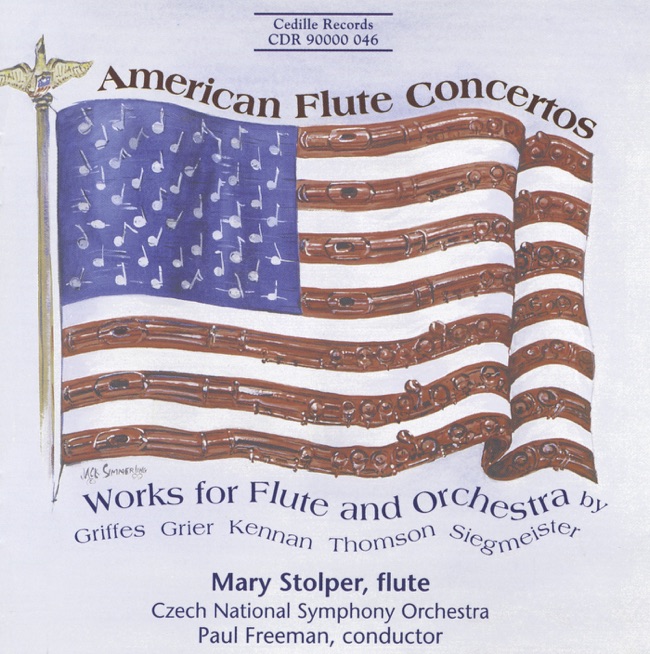 September, 1999
Artist Info
Role:ComposerBirth:1937 in New York City, NYPeriod:ModernGenre:ChamberConcertoVocalLita Grier was an American composer of classical music, born on August 10, 1937, in Chicago, Illinois. She grew up in a musical family, with her mother being a pianist and her father a violinist. Grier began playing the piano at a young age and later learned to play the violin and viola. Her early exposure to music and her family's support helped her develop a passion for music that would shape her life. Grier attended the University of Michigan, where she earned a Bachelor of Music degree in composition in 1959. She continued her studies at the University of Southern California, where she earned a Master of Music degree in composition in 1961. During her time at USC, Grier studied with notable composers such as Ingolf Dahl and Halsey Stevens. After completing her studies, Grier began her career as a composer, writing music for various ensembles and orchestras. Her works were often inspired by nature and the world around her, and she was known for her use of vivid imagery and colorful harmonies. Grier's music was also influenced by her interest in literature and poetry, and she often set texts to music in her compositions. One of Grier's most notable works is her Symphony No. 1, which was commissioned by the Los Angeles Philharmonic and premiered in 1967. The symphony is a three-movement work that showcases Grier's skill as a composer. The first movement, titled "Allegro," is a lively and energetic piece that features a driving rhythm and intricate melodies. The second movement, "Adagio," is a slower and more contemplative piece that showcases Grier's ability to create beautiful and expressive melodies. The final movement, "Allegro con brio," is a fast-paced and exciting piece that brings the symphony to a thrilling conclusion. In addition to her symphony, Grier wrote many other works for orchestra, including her Concerto for Viola and Orchestra, which was premiered by the Los Angeles Philharmonic in 1972. The concerto is a three-movement work that features the viola as the solo instrument. Grier's use of the viola in the concerto is particularly noteworthy, as the instrument is often overlooked in favor of the more popular violin and cello. Grier also wrote many works for chamber ensembles, including her String Quartet No. 1, which was premiered in 1963. The quartet is a four-movement work that showcases Grier's skill as a composer for small ensembles. The first movement, "Allegro," is a lively and energetic piece that features intricate melodies and complex rhythms. The second movement, "Adagio," is a slower and more contemplative piece that showcases Grier's ability to create beautiful and expressive melodies. The third movement, "Scherzo," is a fast-paced and playful piece that features a driving rhythm and intricate counterpoint. The final movement, "Allegro con brio," is a fast-paced and exciting piece that brings the quartet to a thrilling conclusion. Throughout her career, Grier received many awards and honors for her work as a composer. In 1967, she was awarded a Guggenheim Fellowship, which allowed her to travel to Europe and study with notable composers such as Luciano Berio and Karlheinz Stockhausen. In 1972, she was awarded the American Academy of Arts and Letters Music Award, which is given to outstanding composers of classical music. Grier continued to compose music throughout her life, and her works have been performed by many notable ensembles and orchestras around the world.More....
Recent Artist Music

Copyright Ⓒ 2013 Davinci Finger. All rights reseved
Service Terms & Policy