


Vicente Goicoechea Errasti
Released Album
Choral
-
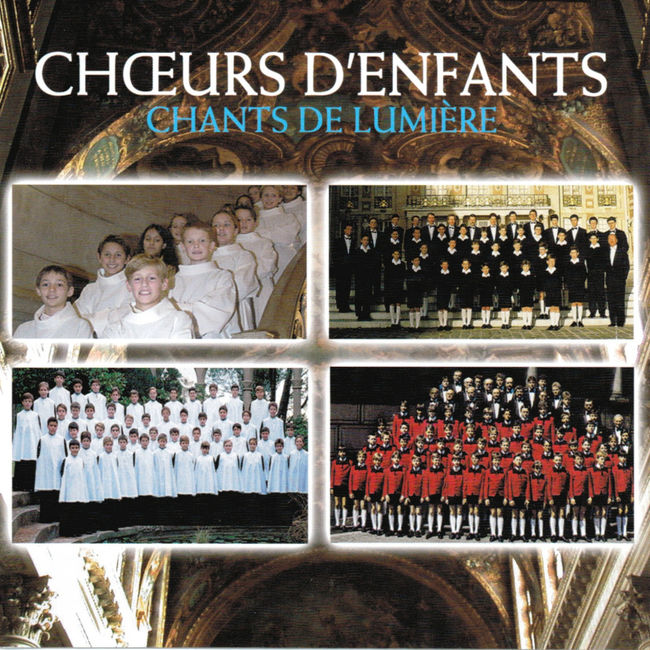 September 22, 2006
 -
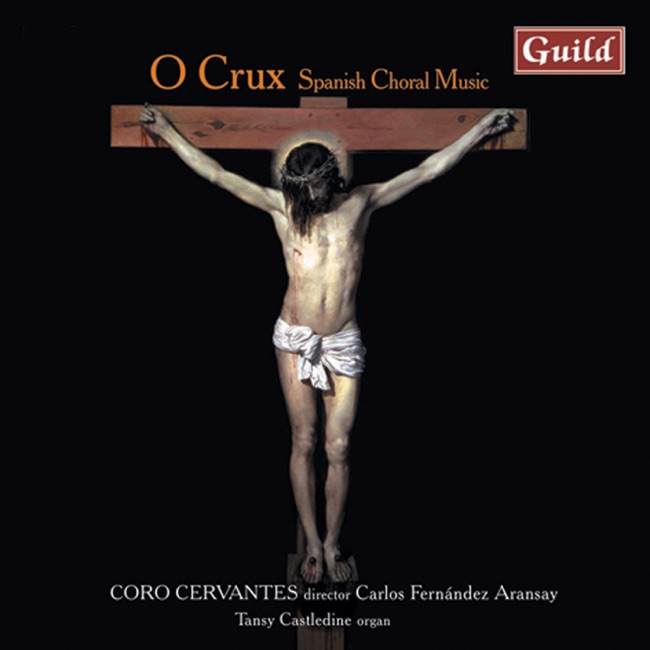 April 29, 2002
Artist Info
Role:Composer ConductorCountry: SpainBirth:April 5, 1854 in Ibarra de Aramayona AlavaDeath:April 9, 1916 in Valladolid, SpainGenre:ChoralVocalVicente Goicoechea Errasti was a Spanish composer and pianist who was born on January 22, 1904, in the city of San Sebastian, located in the Basque Country region of Spain. He was the son of a well-known musician, Juan Goicoechea, who was a professor of music at the San Sebastian Conservatory. Vicente grew up in a musical family and began his musical education at a young age. At the age of six, Vicente began taking piano lessons with his father, who recognized his son's talent and encouraged him to pursue a career in music. Vicente continued his studies at the San Sebastian Conservatory, where he studied piano, composition, and harmony. He also studied with the renowned Spanish composer Joaquín Rodrigo, who had a significant influence on his musical style. In 1923, Vicente moved to Madrid to continue his musical education at the Royal Conservatory of Music. While in Madrid, he studied with the composer Conrado del Campo and the pianist José Cubiles. He also became involved in the cultural scene of the city, attending concerts and meeting other musicians and artists. After completing his studies in Madrid, Vicente returned to San Sebastian, where he began his career as a composer and pianist. He quickly gained recognition for his compositions, which were influenced by the traditional music of the Basque Country and the modernist trends of the time. His music was characterized by its lyricism, harmonic richness, and rhythmic vitality. One of Vicente's most significant works is his Piano Concerto, which he composed in 1933. The concerto is a virtuosic work that showcases the pianist's technical abilities and musical sensitivity. It is also a testament to Vicente's ability to blend traditional and modern elements in his music. The concerto was premiered in San Sebastian in 1934, with Vicente as the soloist and the composer Ernesto Halffter conducting. Vicente's other notable works include his Symphony No. 1, which he composed in 1941. The symphony is a grand and ambitious work that reflects the composer's interest in the symphonic form. It is a complex and challenging work that showcases Vicente's mastery of orchestration and his ability to create powerful and expressive musical gestures. In addition to his work as a composer, Vicente was also a respected pianist. He performed extensively throughout Spain and Europe, both as a soloist and as a chamber musician. He was known for his sensitive and nuanced interpretations of the works of other composers, as well as his own compositions. Vicente's career was interrupted by the Spanish Civil War, which began in 1936. He was forced to flee his home in San Sebastian and seek refuge in France. While in France, he continued to compose and perform, but his career was severely impacted by the war. He returned to Spain after the war ended in 1939, but his career never fully recovered. Despite the challenges he faced, Vicente continued to compose and perform throughout his life. He remained committed to his musical vision, which was rooted in the traditions of his homeland and the modernist trends of the time. He died on December 22, 1994, in San Sebastian, leaving behind a legacy of music that continues to be celebrated and admired by musicians and audiences alike.More....
Recent Artist Music
Copyright Ⓒ 2013 Davinci Finger. All rights reseved
Service Terms & Policy