


Eugen Suchon
Released Album
Orchestral
-
 August 14, 2015
 -
-
 January 10, 2011
 -
 April 5, 2010
 -
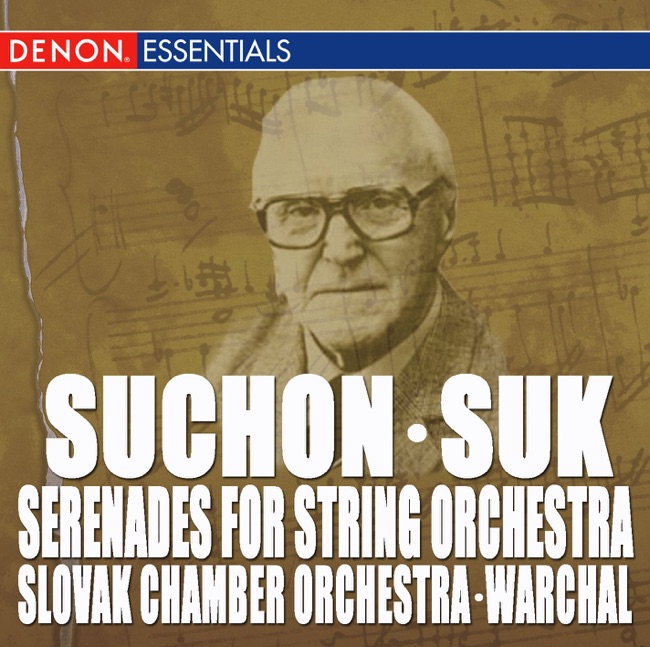 July 15, 2009
Choral
-
 May 27, 2003
 -
 September 23, 1994
Vocal
-
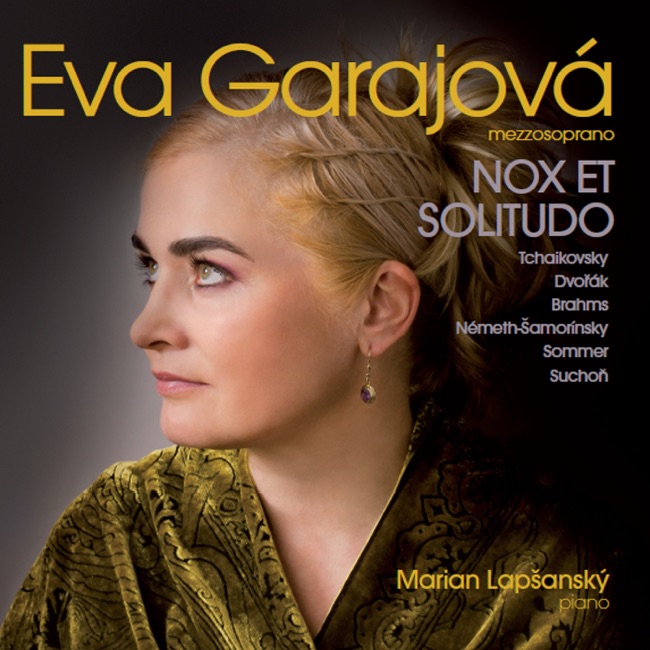 November 11, 2014
Artist Info
Role:ComposerBirth:September 25, 1908 in Pezinok, HungaryDeath:August 5, 1993 in Bratislava, SlovakiaPeriod:ModernGenre:ChoralOperaOrchestralEugen Suchon was a Slovak composer and conductor who was born on September 22, 1908, in Pezinok, Slovakia. He was the son of a music teacher and grew up in a musical family. His father, Jozef Suchon, was a composer and conductor, and his mother, Maria Suchonova, was a pianist. Suchon showed an early interest in music and began playing the piano at the age of six. Suchon studied at the Bratislava Conservatory, where he was a student of Alexander Moyzes. He later studied composition with Joseph Marx in Vienna and conducting with Felix Weingartner in Basel. In 1931, he became the conductor of the Slovak National Theatre in Bratislava, a position he held until 1944. Suchon's early works were influenced by Slovak folk music and the music of his father. His first major work was the Slovak Suite, which he composed in 1930. The suite is a collection of five pieces that are based on Slovak folk melodies. The suite was well-received and helped establish Suchon as a leading composer in Slovakia. During World War II, Suchon was active in the Slovak resistance movement. He composed music for the resistance and helped smuggle weapons and supplies to the partisans. In 1944, he was arrested by the Gestapo and imprisoned in the Dachau concentration camp. He was released in 1945, after the camp was liberated by American forces. After the war, Suchon returned to Bratislava and resumed his career as a composer and conductor. He became the conductor of the Slovak Philharmonic Orchestra in 1949, a position he held until 1956. During this time, he composed some of his most important works, including the Symphony No. 3 and the Suite for String Orchestra. Suchon's music is characterized by its use of Slovak folk melodies and rhythms, as well as its lyrical and expressive qualities. His works often feature lush harmonies and colorful orchestration. He was also influenced by the music of Debussy, Ravel, and Stravinsky. Some of Suchon's most important works include the Symphony No. 3, which he composed in 1953. The symphony is a powerful and dramatic work that reflects the struggles of the Slovak people during World War II. It is considered one of the greatest works of Slovak classical music. Another important work is the Suite for String Orchestra, which he composed in 1952. The suite is a collection of five pieces that are based on Slovak folk melodies. The suite is notable for its use of rich harmonies and colorful orchestration. Suchon also composed several operas, including Krutnava, which he composed in 1955. The opera is based on a Slovak folk tale and is notable for its use of Slovak folk melodies and rhythms. In addition to his work as a composer, Suchon was also a respected conductor. He conducted many of his own works, as well as the works of other composers. He was known for his precise and expressive conducting style. Suchon died on August 30, 1993, in Bratislava, Slovakia. He is remembered as one of the greatest composers in Slovak classical music and a leading figure in the cultural life of Slovakia. His music continues to be performed and recorded today.More....
Recent Artist Music
3
1:37
4
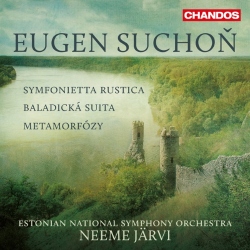
Balladic Suite for large orchestra, Op. 9
2. Adagio - Animato - Poco più mosso - Grandioso - Come prima (Adagio)
6:17
5
3:39

7
1:32
8
1:34
9
1:37
Copyright Ⓒ 2013 Davinci Finger. All rights reseved
Service Terms & Policy