


Rudolf Jettel
Released Album
Orchestral
-
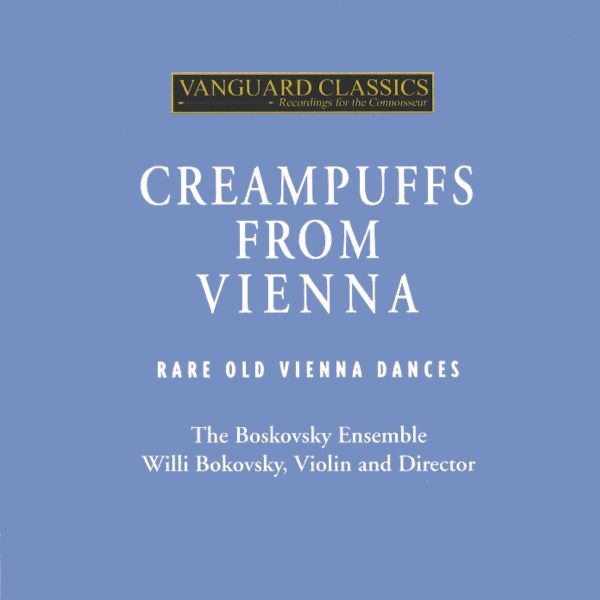 September 7, 2004
Chamber
-
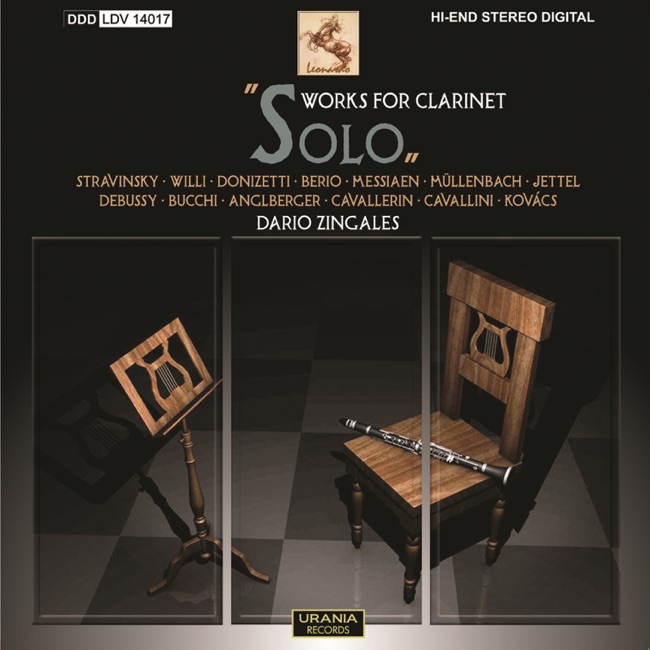 September 9, 2014
Artist Info
Role:ComposerBirth:1903Death:1981Genre:ChamberRudolf Jettel was a classical music composer born on December 28, 1882, in Vienna, Austria. He was the son of a music teacher and grew up in a musical family. His father recognized his son's musical talent at an early age and began teaching him piano and music theory. Jettel's father also introduced him to the works of Mozart, Beethoven, and other great composers, which had a profound impact on his musical development. Jettel attended the Vienna Conservatory, where he studied composition with Franz Schmidt and piano with Emil von Sauer. He graduated with honors in 1904 and began his career as a composer and pianist. Jettel's early works were heavily influenced by the Romantic composers of the time, such as Brahms and Schumann. He also drew inspiration from the folk music of his native Austria, incorporating elements of it into his compositions. In 1910, Jettel was appointed as a professor of piano at the Vienna Conservatory, where he taught for over 30 years. He was highly respected as a teacher and had many successful students, including the pianist Friedrich Gulda. Jettel's teaching style emphasized the importance of technique and expression, and he encouraged his students to develop their own unique musical voice. Jettel's compositions were well-received during his lifetime, and he was considered one of the leading composers of his time. His works were performed by many of the great orchestras and conductors of the day, including the Vienna Philharmonic and Bruno Walter. Jettel's music was known for its lyricism, emotional depth, and technical virtuosity. One of Jettel's most famous works is his Piano Concerto No. 1 in C Major, which he composed in 1912. The concerto is a virtuosic showcase for the soloist, with intricate passagework and soaring melodies. It was premiered by the Vienna Philharmonic with Jettel himself as the soloist, and it quickly became one of his most popular works. Another notable work by Jettel is his Symphony No. 1 in D Major, which he composed in 1920. The symphony is a grand and sweeping work, with lush orchestration and soaring melodies. It was premiered by the Vienna Philharmonic under the baton of Bruno Walter, who praised Jettel's skill as a composer. Jettel's music was also influenced by his interest in literature and poetry. He often set the works of poets such as Rainer Maria Rilke and Hermann Hesse to music, creating powerful and evocative works that combined music and poetry in a unique way. Despite his success as a composer and teacher, Jettel's life was not without its challenges. He lived through two world wars and the tumultuous political climate of Austria in the early 20th century. He also suffered from health problems later in life, which limited his ability to perform and compose. Rudolf Jettel passed away on January 14, 1943, in Vienna. He left behind a legacy of beautiful and emotionally powerful music, as well as a generation of students who were inspired by his teaching and mentorship. Today, Jettel's music continues to be performed and appreciated by audiences around the world, and he is remembered as one of the great composers of the early 20th century.More....
Copyright Ⓒ 2013 Davinci Finger. All rights reseved
Service Terms & Policy