


Jaime Pahissa
Released Album
Chamber
-
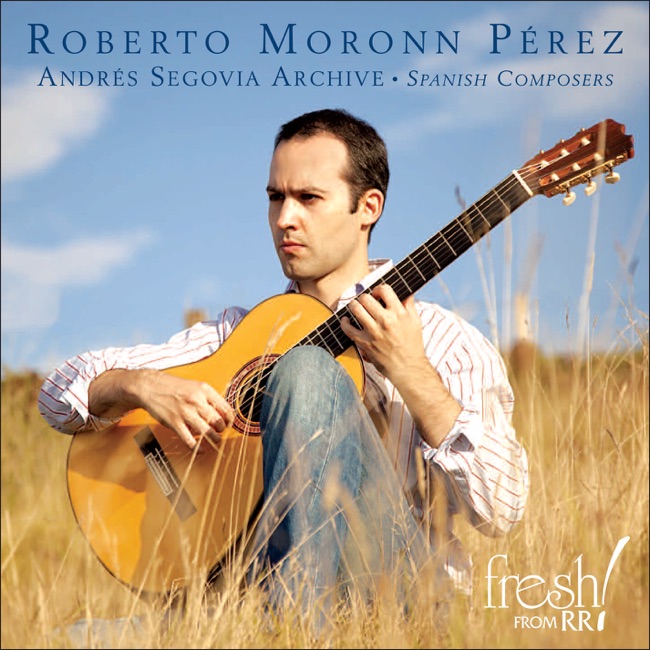 May 14, 2013
 -
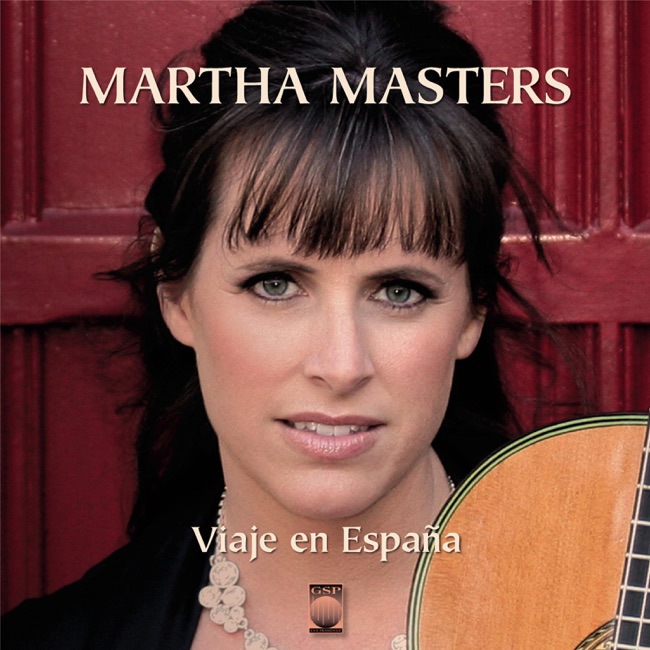 August 18, 2009
Artist Info
Role:ComposerBirth:1880Death:1969Period:ContemporaryJaime Pahissa was a Spanish composer, pianist, and musicologist who was born on January 30, 1880, in Barcelona, Spain. He was the son of a music teacher and grew up in a musical family. Pahissa showed an early interest in music and began studying piano at the age of six. He later studied composition with Felip Pedrell, a prominent musicologist who was instrumental in the revival of traditional Catalan music. Pahissa's musical education continued at the Barcelona Conservatory, where he studied piano with Joan Baptista Pujol and composition with Felip Pedrell. He also studied harmony and counterpoint with Enric Granados, a renowned composer and pianist. Pahissa was a gifted student and won several awards and prizes during his time at the conservatory. After completing his studies, Pahissa began his career as a pianist and composer. He performed extensively throughout Spain and Europe, earning critical acclaim for his virtuosic piano playing and his innovative compositions. Pahissa was particularly interested in the music of his native Catalonia and was a leading figure in the Catalan musical renaissance of the early 20th century. Pahissa's compositions are characterized by their harmonic richness, rhythmic complexity, and expressive intensity. He was influenced by a wide range of musical styles, including traditional Catalan music, Spanish folk music, and the music of Debussy, Ravel, and Stravinsky. Pahissa's works include orchestral music, chamber music, piano music, and vocal music. One of Pahissa's most famous works is his opera "El Mozo de Mulero," which premiered in Barcelona in 1917. The opera is based on a popular Catalan folk tale and tells the story of a young man who falls in love with a beautiful woman but is thwarted by her jealous suitor. The opera was a critical and commercial success and helped establish Pahissa as one of the leading composers of his generation. Another notable work by Pahissa is his "Concerto for Piano and Orchestra," which was premiered in Barcelona in 1923. The concerto is a virtuosic showcase for the piano and features Pahissa's signature harmonic and rhythmic innovations. The concerto was well-received by audiences and critics alike and remains one of Pahissa's most popular works. In addition to his work as a composer, Pahissa was also a respected musicologist and scholar. He was particularly interested in the music of the Renaissance and Baroque periods and wrote extensively on the subject. Pahissa's scholarly work helped to establish the study of early music in Spain and influenced a generation of musicologists and performers. Pahissa's career was cut short by his untimely death in 1969. However, his legacy as a composer, pianist, and musicologist continues to be celebrated today. His innovative compositions and his contributions to the study of early music have earned him a place among the most important figures in Spanish music history.More....
Recent Artist Music

Copyright Ⓒ 2013 Davinci Finger. All rights reseved
Service Terms & Policy