


Milos Sokola
Released Album
Keyboard
-
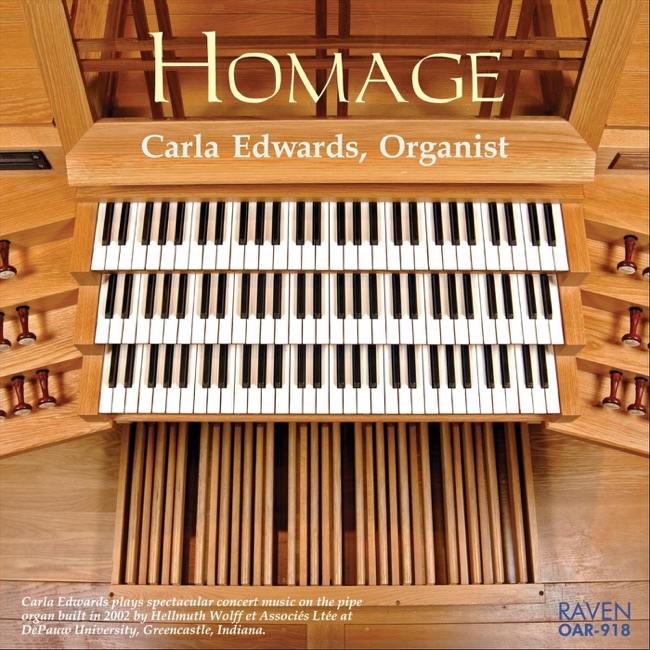 September 13, 2011
 -
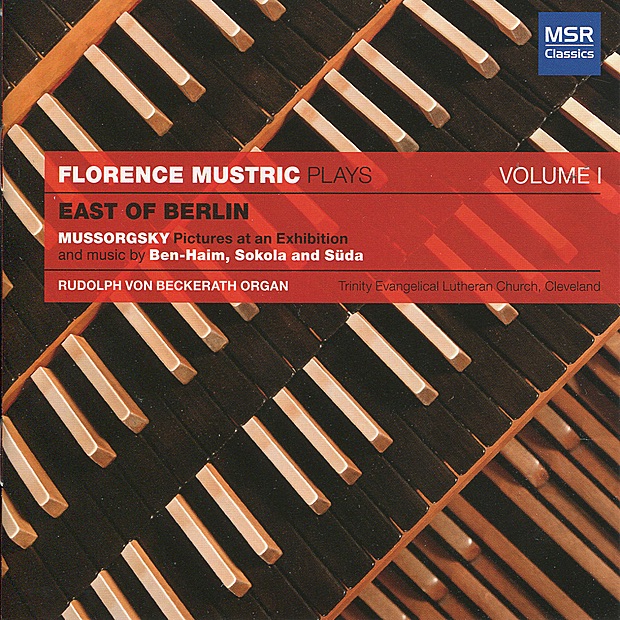 January 22, 2008
 -
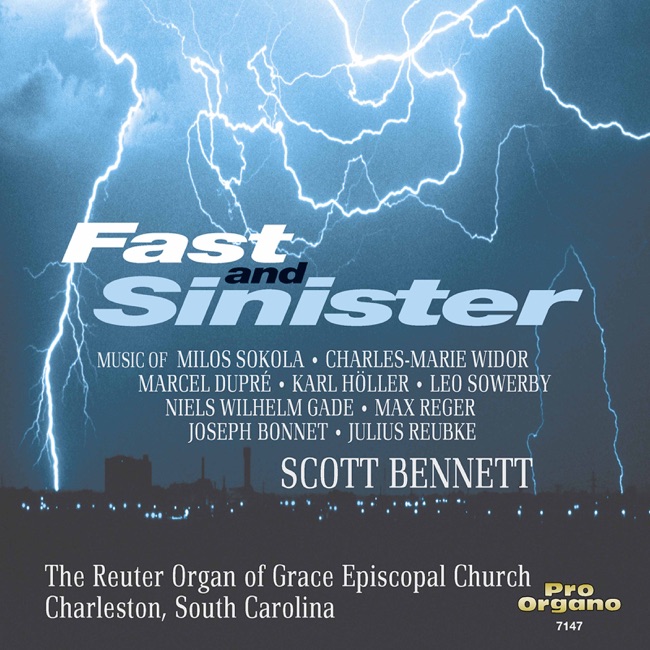 May 27, 2003
 -
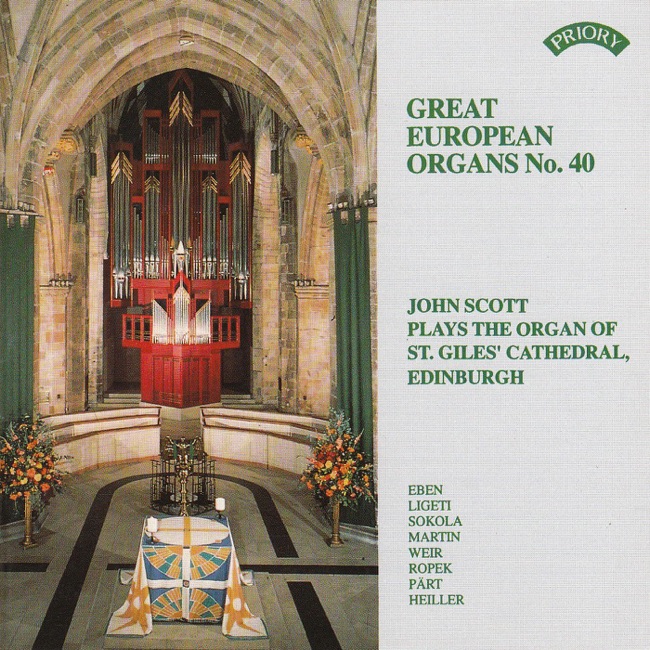 July 1, 1996
Artist Info
Role:ComposerBirth:April 18, 1913Death:1972Period:ModernGenre:KeyboardMilos Sokola was a Slovakian composer and pianist who was born on January 1, 1921, in the town of Nitra, Slovakia. He was the youngest of four children born to a family of musicians. His father, Jozef Sokola, was a composer and conductor, and his mother, Maria Sokolova, was a pianist. Milos Sokola showed an early interest in music and began playing the piano at the age of four. Sokola's musical education began at the Bratislava Conservatory, where he studied piano and composition. He later continued his studies at the Prague Conservatory and the Academy of Music in Budapest. Sokola was a gifted pianist and won several awards for his performances, including the first prize at the International Piano Competition in Geneva in 1947. Sokola's early compositions were influenced by the folk music of his native Slovakia. He was particularly interested in the music of the Roma people, and many of his early works incorporated elements of Roma music. Sokola's music was also influenced by the works of other composers, including Béla Bartók and Igor Stravinsky. Sokola's first major composition was his Piano Concerto No. 1, which he composed in 1948. The concerto was premiered in Bratislava in 1950 and was well-received by audiences and critics alike. The concerto is characterized by its use of folk melodies and rhythms, as well as its virtuosic piano writing. In the 1950s, Sokola became interested in electronic music and began experimenting with tape recorders and other electronic equipment. He composed several works for tape, including his Electronic Symphony No. 1, which was premiered in 1958. The work was groundbreaking for its use of electronic sounds and was one of the first works of electronic music to be performed in Slovakia. Sokola's music continued to evolve throughout the 1960s and 1970s. He began incorporating elements of serialism and other avant-garde techniques into his compositions. His Symphony No. 3, which was composed in 1965, is a prime example of his use of serialism. The work is characterized by its complex rhythms and dissonant harmonies. Sokola's later works were more introspective and reflective. His Piano Sonata No. 2, which he composed in 1980, is a deeply personal work that reflects on his life and career as a musician. The sonata is characterized by its lyrical melodies and introspective mood. Sokola was also a respected music educator and taught at the Bratislava Conservatory for many years. He was known for his innovative teaching methods and his ability to inspire his students. Many of his students went on to become successful musicians and composers in their own right. Milos Sokola died on December 12, 1989, in Bratislava, Slovakia. He left behind a legacy of innovative and groundbreaking music that continues to inspire musicians and audiences today. His music is characterized by its use of folk melodies and rhythms, as well as its incorporation of electronic sounds and avant-garde techniques. Sokola was a true pioneer in the world of classical music and his contributions to the art form will be remembered for generations to come.More....
Recent Artist Music
Copyright Ⓒ 2013 Davinci Finger. All rights reseved
Service Terms & Policy