


Guido Santórsola
Released Album
Chamber
-
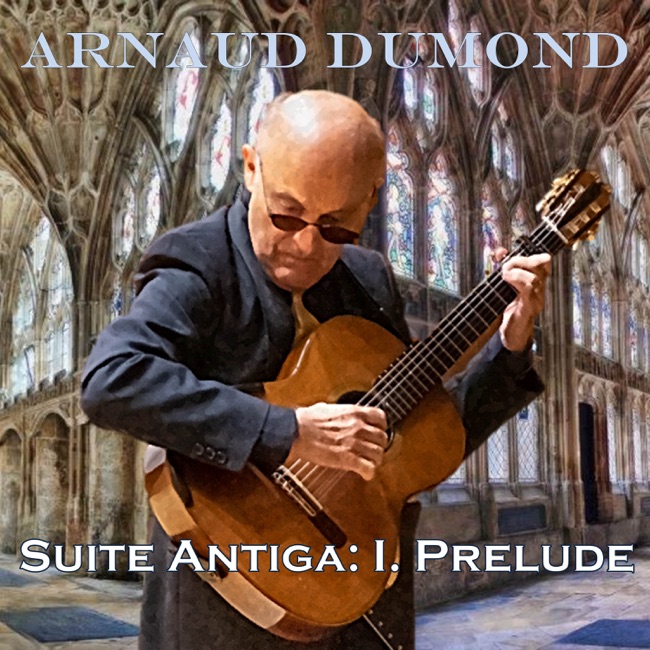 September 23, 2022
 -
 July 23, 2021
 -
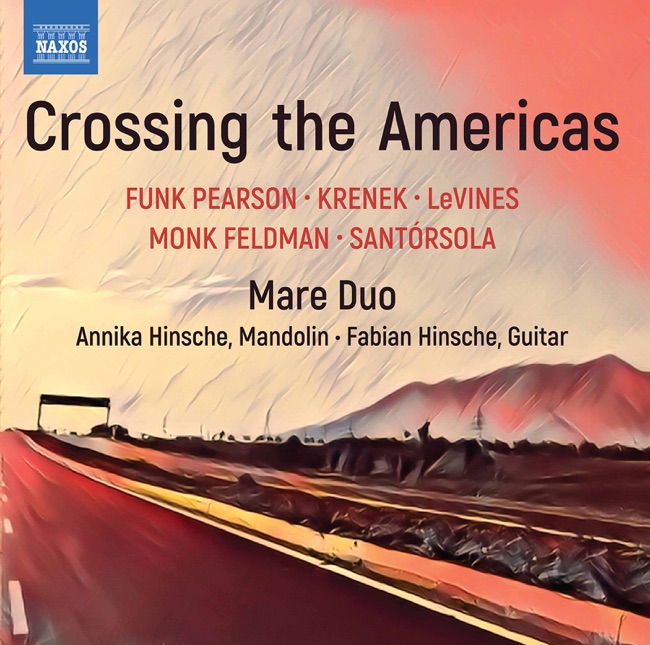 March 12, 2021
 -
 October 10, 2020
 -
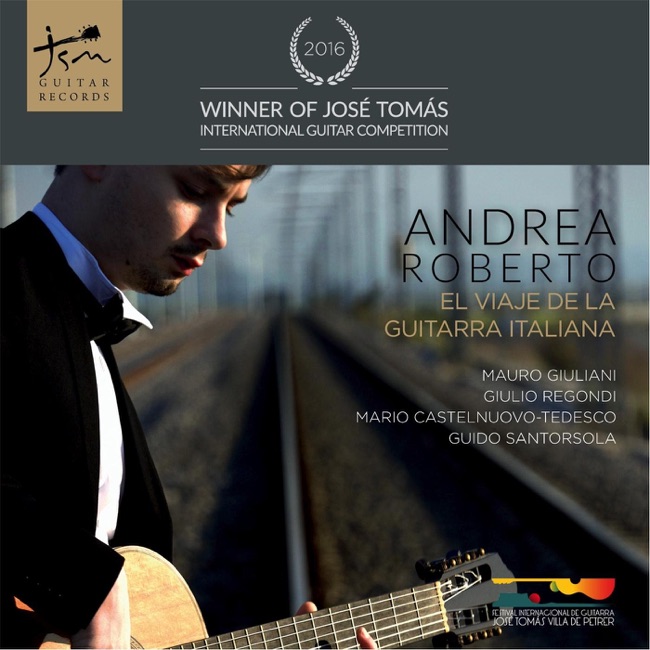 June 22, 2017
 -
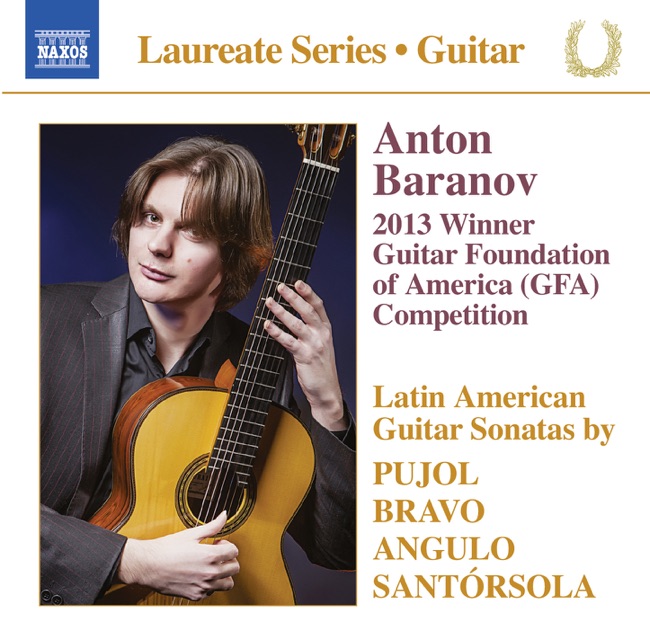
Artist Info
Role:ComposerBirth:November 18, 1904Death:September 24, 1994Period:ModernGenre:ChamberGuido Santórsola was a Uruguayan composer and guitarist who was born on August 18, 1904, in Montevideo, Uruguay. He was the son of Italian immigrants who had settled in Uruguay. His father was a musician who played the guitar and the mandolin, and he introduced Guido to music at a young age. Guido showed an early interest in music and began playing the guitar when he was just six years old. Guido's musical education began at the Conservatorio Nacional de Música in Montevideo, where he studied piano, harmony, and composition. He later studied guitar with Abel Carlevaro, a renowned Uruguayan guitarist and composer. Guido's talent as a guitarist was evident from an early age, and he quickly became known as one of the best guitarists in Uruguay. In addition to his studies, Guido was also active in the cultural life of Montevideo. He was a member of the literary and artistic group known as the Grupo de los Ocho, which included some of the most important writers and artists of the time. Guido was also a member of the Sociedad de Conciertos de Montevideo, which organized concerts of classical music. Guido's early compositions were influenced by the music of his native Uruguay, as well as by the European classical tradition. He wrote his first piece for guitar, the Suite Montevideana, in 1928. This work, which is still performed today, is a tribute to the city of Montevideo and its people. It consists of four movements, each of which is based on a different aspect of life in the city. Guido's reputation as a composer grew quickly, and he began to receive commissions for new works. In 1931, he wrote his first concerto for guitar and orchestra, which was premiered by the Orquesta Filarmónica de Montevideo. This work, which is considered one of the first guitar concertos in the classical repertoire, is still performed today. Guido's music continued to evolve throughout his career. He was influenced by a wide range of musical styles, including jazz, folk music, and the music of other Latin American countries. He wrote music for a variety of instruments and ensembles, including guitar, piano, orchestra, and chamber groups. One of Guido's most important works is his Concerto for Piano and Orchestra, which he wrote in 1953. This work, which is considered one of the most important works of Uruguayan classical music, is a tribute to the city of Montevideo and its people. It consists of three movements, each of which is based on a different aspect of life in the city. Guido's music was recognized both in Uruguay and internationally. He received numerous awards and honors, including the National Prize for Music in Uruguay in 1959. His music was performed by some of the most important musicians of the time, including Andrés Segovia, Narciso Yepes, and Alirio Díaz. Guido continued to compose music until his death in 1994. His music remains an important part of the classical repertoire in Uruguay and is still performed today. His legacy as a composer and guitarist has inspired generations of musicians in Uruguay and beyond.More....
Recent Artist Music


Copyright Ⓒ 2013 Davinci Finger. All rights reseved
Service Terms & Policy