


Alessandro Striggio
Released Album
Vocal
-
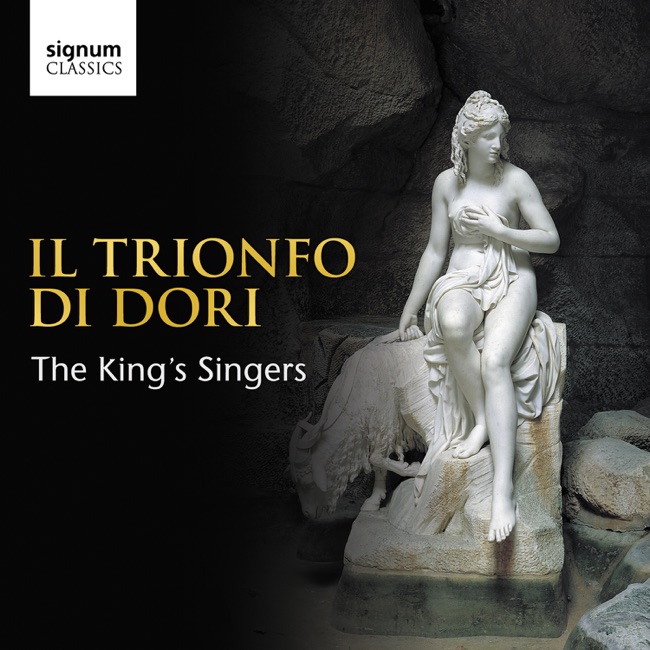 April 6, 2015
 -
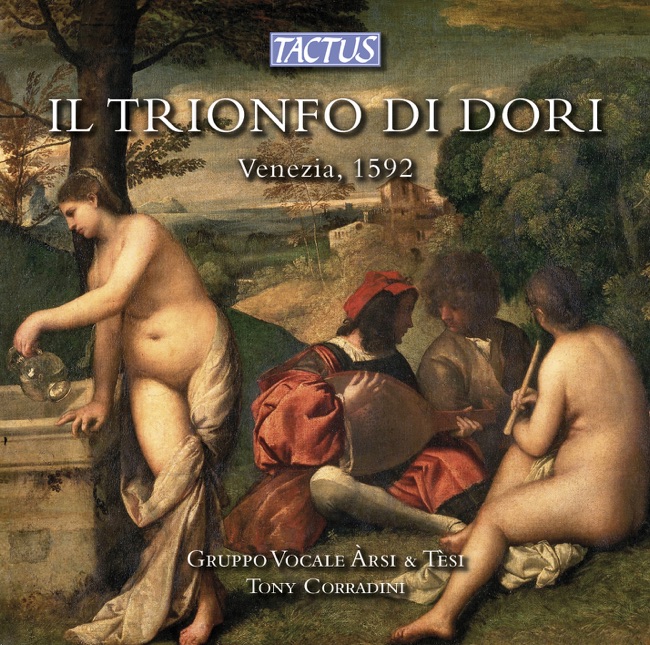 January 6, 2014
 -
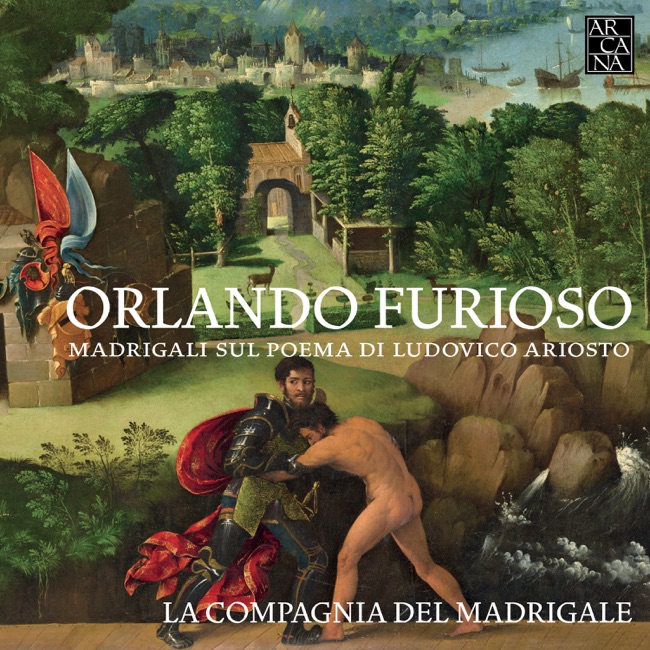 September 13, 2011
 -
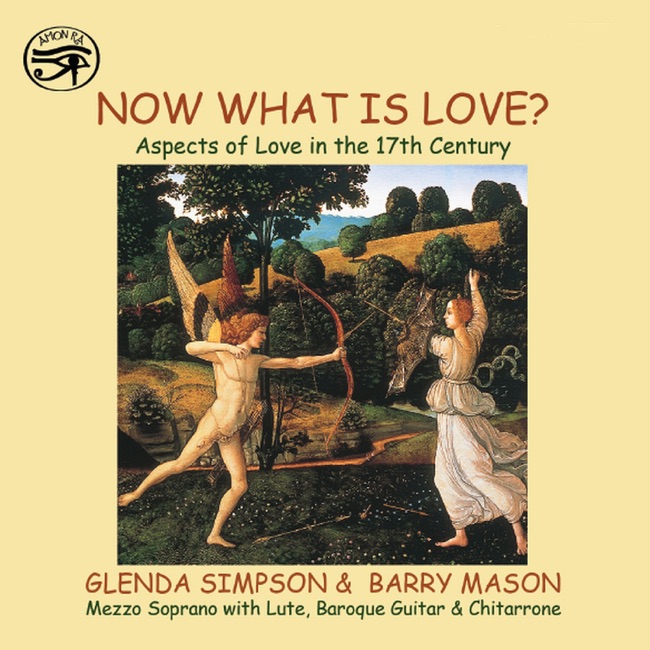 January 11, 2011
Choral
-
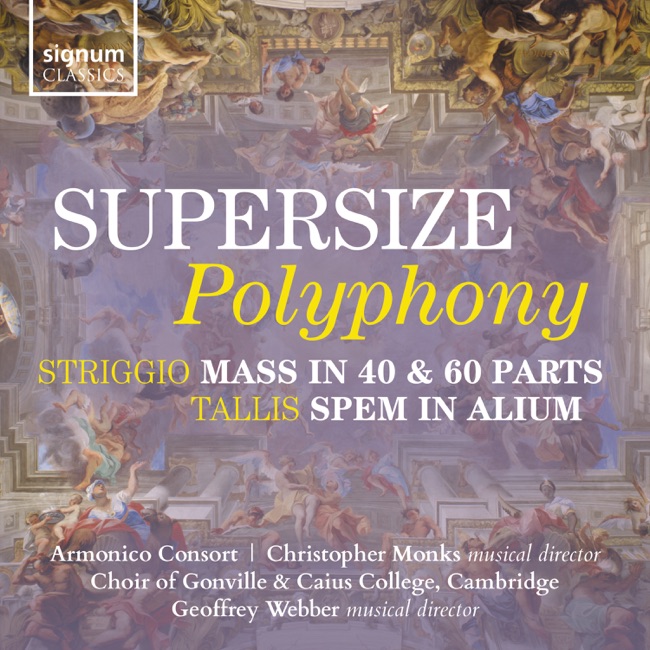 May 22, 2019
 -
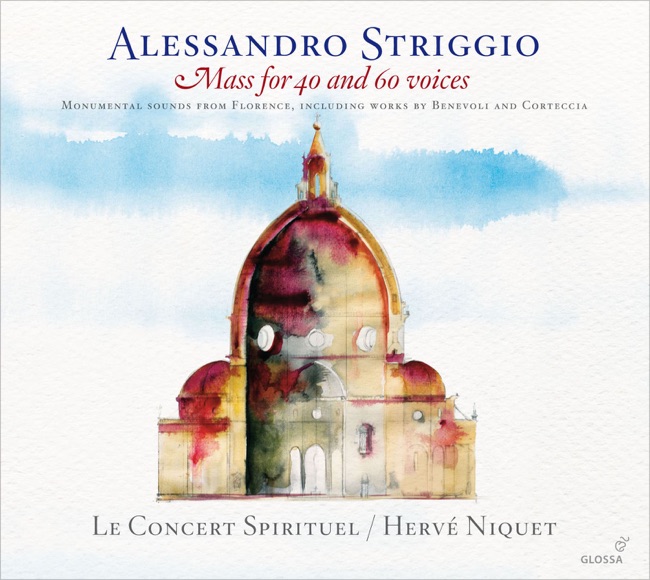 February 6, 2012
Chamber
-
 May 15, 2008
Artist Info
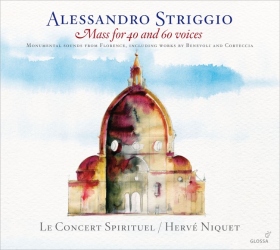
Role:ComposerCountry: ItalyBirth:1540Death:April 29, 1592Period:RenaissanceBaroqueGenre:OperaAlessandro Striggio was a prominent Italian composer of the Renaissance era, born in Mantua in 1536. He was the son of another famous composer, also named Alessandro Striggio, who was a court musician for the Gonzaga family in Mantua. The younger Striggio followed in his father's footsteps and became a musician as well, but he would go on to achieve even greater fame and recognition than his father. Striggio's early years were spent in Mantua, where he likely received his musical education from his father and other musicians in the Gonzaga court. He began composing his own music at a young age, and by the time he was in his twenties, he had already established himself as a talented composer and musician. In 1567, Striggio was appointed as a court musician for the Medici family in Florence, where he would spend much of his career. He quickly became a favorite of the Medici court, and his music was widely admired and performed throughout Italy and beyond. One of Striggio's most famous works is his Mass in 40 Parts, which he composed in 1566. This monumental piece of music is considered one of the greatest achievements of the Renaissance era, and it is still performed today by choirs around the world. The Mass in 40 Parts is a complex and intricate work, featuring multiple choirs and a wide range of vocal and instrumental parts. It is a testament to Striggio's skill as a composer and his ability to create music that is both beautiful and technically challenging. Another notable work by Striggio is his opera Orfeo, which he composed in 1607. This opera is based on the Greek myth of Orpheus, and it is considered one of the earliest examples of the operatic form. Orfeo was a groundbreaking work in its time, and it helped to establish the operatic genre as a major form of musical expression. Throughout his career, Striggio was known for his innovative and experimental approach to music. He was not afraid to push the boundaries of traditional musical forms, and he was always looking for new ways to express himself through his music. This spirit of innovation and experimentation is evident in many of his works, and it is one of the reasons why he is still remembered and celebrated today. In addition to his work as a composer, Striggio was also a respected music theorist and teacher. He wrote several treatises on music theory, including one on the art of counterpoint, which was widely read and influential in its time. Striggio was also a teacher of music, and he trained many of the most talented musicians of his era. Despite his many accomplishments, Striggio's life was not without its challenges. He lived during a time of great political and social upheaval in Italy, and he was often caught up in the conflicts and intrigues of the various courts where he worked. He also faced personal tragedies, including the loss of several family members to the plague. Despite these difficulties, Striggio remained dedicated to his music throughout his life. He continued to compose and perform until his death in 1592, leaving behind a legacy of music that continues to inspire and delight audiences today. His contributions to the world of classical music are significant, and his influence can still be felt in the works of many composers who came after him.More....
Recent Artist Music
5
5:45
6
3:49
7
3:38

Copyright Ⓒ 2013 Davinci Finger. All rights reseved
Service Terms & Policy