


Davide Anzaghi
Released Album
Keyboard
-
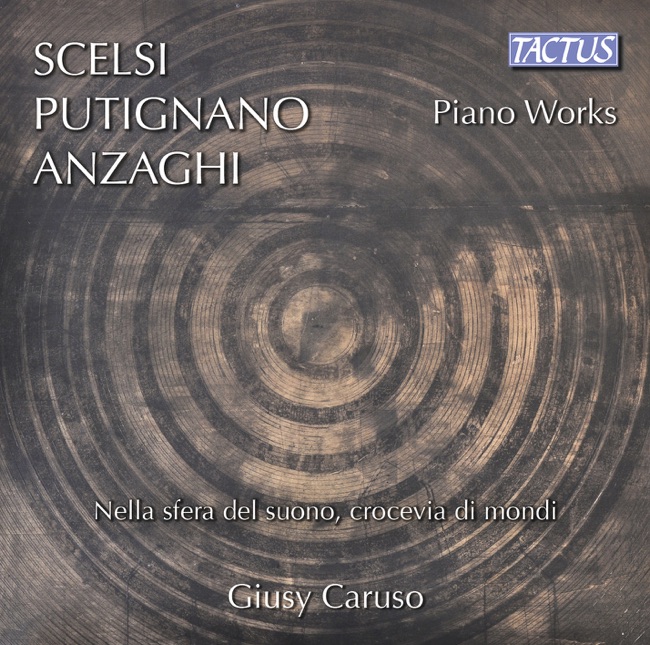 October 14, 2016
Chamber
Artist Info
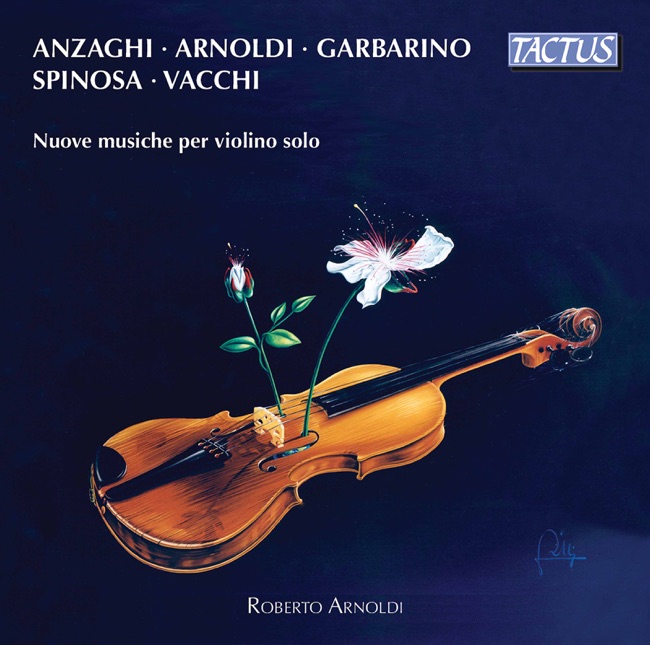
Role:ComposerBirth:1936Genre:ChamberDavide Anzaghi was an Italian composer and pianist who lived from 1861 to 1940. He was born in Milan, Italy, and showed an early interest in music. His father was a musician, and he began studying the piano at a young age. Anzaghi's talent was quickly recognized, and he was sent to study at the Milan Conservatory. At the conservatory, Anzaghi studied under some of the most prominent musicians of the time, including Amilcare Ponchielli and Franco Faccio. He quickly became known for his virtuosic piano playing and his ability to compose music in a variety of styles. Anzaghi's early compositions were heavily influenced by the Romantic era, with lush harmonies and sweeping melodies. He was particularly drawn to the music of Chopin and Liszt, and his piano works often featured intricate runs and arpeggios. One of Anzaghi's most famous works from this period is his Piano Concerto in A minor, which he composed in 1885. The concerto is a tour de force for the soloist, with virtuosic passages and lyrical melodies. It was well-received by audiences and critics alike, and helped establish Anzaghi as a major figure in the Italian music scene. In addition to his piano works, Anzaghi also composed a number of chamber music pieces, including string quartets and sonatas for various instruments. These works were often more introspective than his piano music, with a focus on melody and harmony rather than technical virtuosity. Anzaghi's career took a turn in the early 1900s, when he became interested in the emerging field of film music. He began composing scores for silent films, and quickly became one of the most sought-after composers in the industry. Anzaghi's film scores were notable for their use of leitmotifs, or recurring musical themes associated with specific characters or situations. This technique would later become a hallmark of film music, and Anzaghi is often credited with helping to establish it. One of Anzaghi's most famous film scores is his music for the 1913 film "Cabiria," which is considered one of the first epic films in history. The score features a mix of orchestral and choral music, and includes several memorable themes that have become iconic in the history of film music. Anzaghi continued to compose film scores throughout the 1910s and 1920s, and his music was featured in many of the most popular films of the time. He also continued to compose classical music, including several operas and ballets. One of Anzaghi's most ambitious works from this period is his opera "La Fiamma," which he composed in 1924. The opera tells the story of a woman who is accused of witchcraft and sentenced to death, and features a complex score that blends elements of Romanticism and modernism. Despite his success as a composer, Anzaghi remained relatively unknown outside of Italy during his lifetime. It was not until the mid-20th century that his music began to receive more widespread recognition, particularly in the United States. Today, Anzaghi is remembered as one of the most important Italian composers of the late 19th and early 20th centuries. His music is notable for its technical virtuosity, lush harmonies, and memorable melodies, and his contributions to the field of film music helped establish many of the techniques and conventions that are still used today.More....
Recent Artist Music
Copyright Ⓒ 2013 Davinci Finger. All rights reseved
Service Terms & Policy