


Perissone Cambio
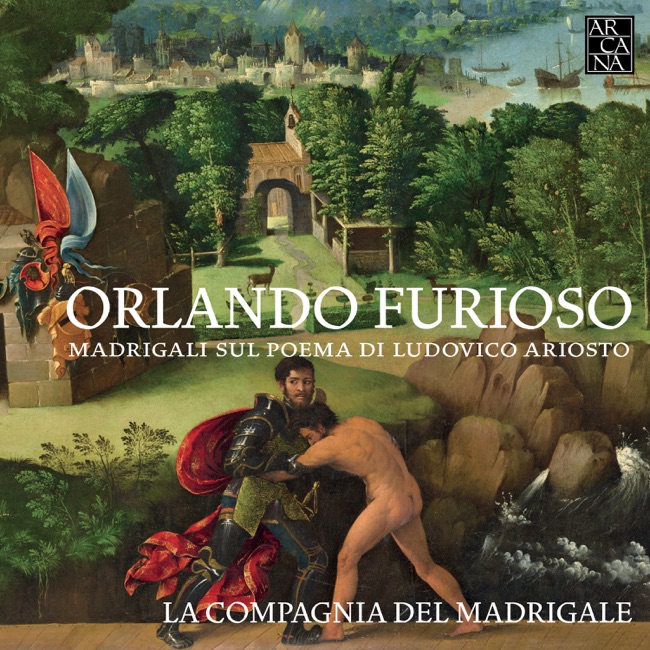
Artist Info
Role:ComposerDeath:ca. 1562Perissone Cambio was a prominent Italian composer of the Renaissance period, born in the city of Verona in 1520. He was a contemporary of other famous composers of the time, such as Orlando di Lasso and Giovanni Pierluigi da Palestrina. Cambio's music was known for its intricate polyphony and use of chromaticism, which set him apart from his contemporaries. Cambio's early life is not well-documented, but it is believed that he received his musical education in Verona, where he likely studied with local musicians and composers. He may have also traveled to other cities in Italy to study with other prominent composers of the time. Cambio's career as a composer began in earnest in the mid-16th century, when he began to publish his works. His first collection of madrigals, titled "Il primo libro de madrigali a cinque voci," was published in 1550 and was well-received by audiences and critics alike. The collection featured 20 madrigals, all of which showcased Cambio's skill in polyphony and his use of chromaticism. Over the course of his career, Cambio composed a wide variety of music, including madrigals, motets, and chansons. His works were often performed in courts and churches throughout Italy, and he was highly regarded by his contemporaries. In addition to his compositions, Cambio was also known for his skill as a singer and lutenist. One of Cambio's most famous works is his collection of madrigals titled "Il secondo libro de madrigali a cinque voci," which was published in 1560. The collection featured 21 madrigals, all of which were highly complex and showcased Cambio's skill in polyphony. The collection was well-received by audiences and critics alike and cemented Cambio's reputation as one of the most talented composers of his time. Another notable work by Cambio is his motet "O sacrum convivium," which was composed in 1565. The motet was written for four voices and was intended to be performed during the Eucharist. The piece is known for its intricate polyphony and use of chromaticism, which were hallmarks of Cambio's style. Cambio's music was highly influential during his lifetime and continued to be performed and studied long after his death. His use of chromaticism and complex polyphony were particularly influential on later composers, such as Claudio Monteverdi and Carlo Gesualdo. Despite his significant contributions to the world of classical music, Cambio's life and career are not as well-known as those of some of his contemporaries. However, his music continues to be performed and studied by musicians and scholars around the world, ensuring that his legacy as a composer will endure for generations to come.More....
Recent Artist Music
Copyright Ⓒ 2013 Davinci Finger. All rights reseved
Service Terms & Policy