


Julius Conus
Released Album
Concerto
-
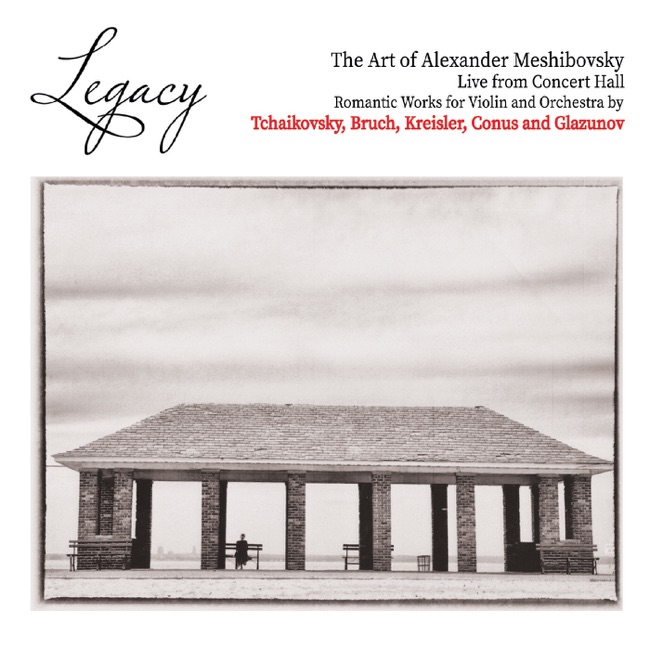 September 2, 2019
 -
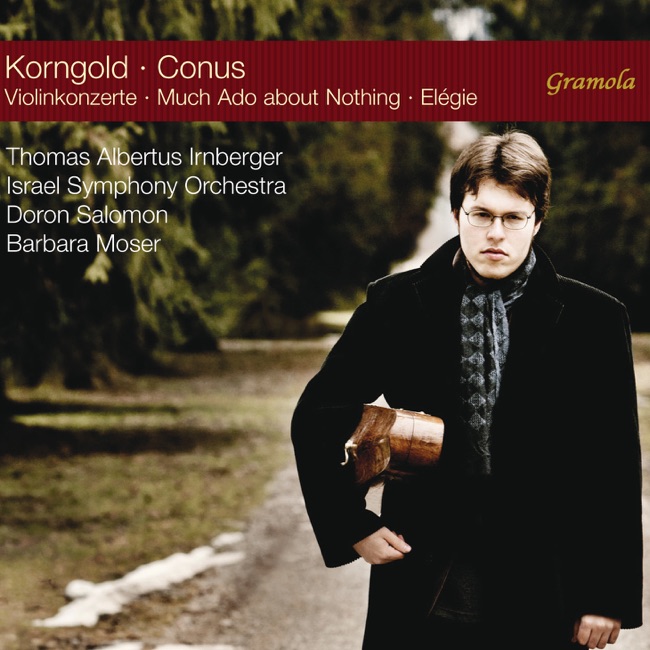 September 9, 2016
 -
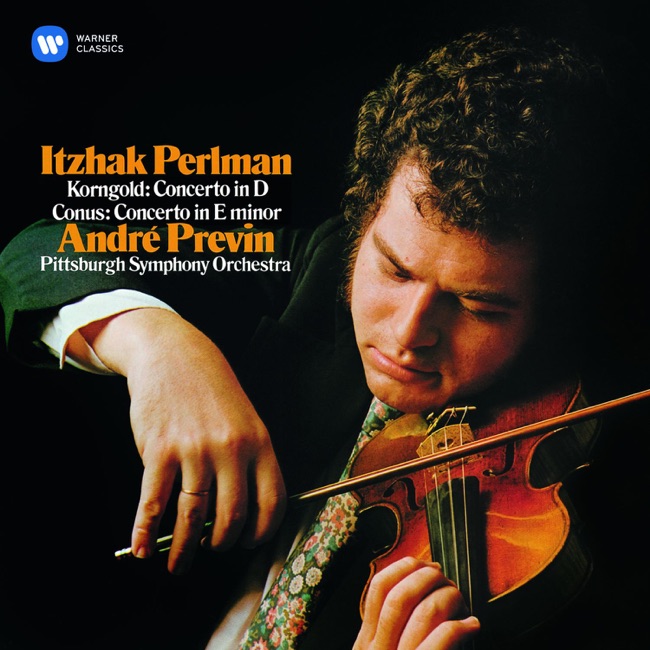 November 6, 2015
 -
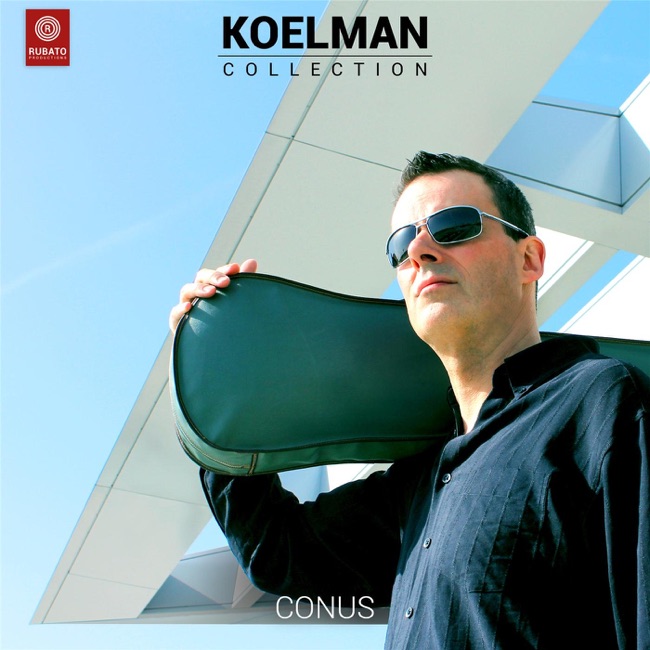 April 25, 2014
 -
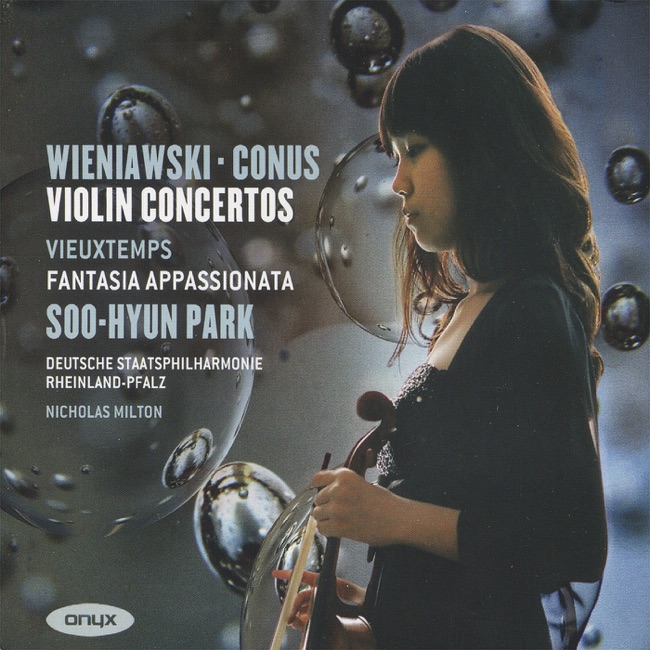 January 14, 2013
 -
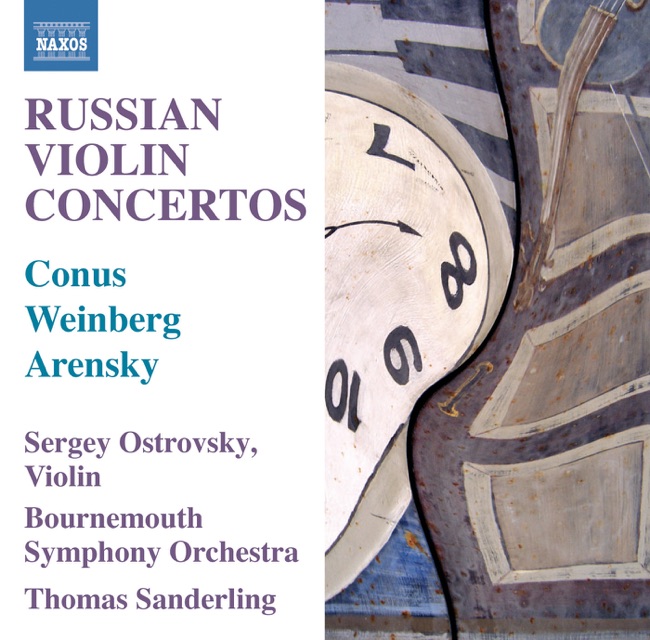 September 26, 2011
Artist Info
Role:ComposerCountry: RussiaBirth:February 1, 1869 in Moscow, RussiaDeath:January 3, 1942 in Malenki, Ivanov DistrictPeriod:RomanticGenre:ConcertoJulius Conus was a Russian composer and violinist who lived from 1869 to 1942. He was born in Moscow to a family of musicians, and his father was a well-known violinist and conductor. Conus began studying the violin at a young age and showed great promise as a musician. In 1886, Conus entered the Moscow Conservatory, where he studied under the renowned violinist and composer Sergei Taneyev. He quickly distinguished himself as a talented violinist and composer, and his works began to receive recognition. In 1890, he won the Gold Medal for composition at the conservatory. After completing his studies, Conus embarked on a successful career as a violinist and composer. He performed extensively throughout Russia and Europe, and his compositions were well-received by audiences and critics alike. His most famous work is his Violin Concerto in E minor, which he composed in 1898. The Violin Concerto in E minor is a beautiful and lyrical work that showcases Conus's skill as a composer and his deep understanding of the violin. The concerto is in three movements, and each movement is marked by a different mood and tempo. The first movement is slow and melancholy, while the second movement is lively and energetic. The third movement is a virtuosic display of the violinist's skill, with fast runs and intricate passages. The Violin Concerto in E minor has become a staple of the violin repertoire, and it is still performed frequently today. It has been recorded by many of the world's greatest violinists, including Jascha Heifetz, David Oistrakh, and Itzhak Perlman. In addition to his Violin Concerto, Conus composed many other works for violin and orchestra, as well as chamber music and songs. His music is characterized by its lyricism and emotional depth, and it is often compared to the works of Tchaikovsky and Rachmaninoff. Despite his success as a composer and performer, Conus's life was not without its challenges. He lived through the tumultuous period of the Russian Revolution and the subsequent Soviet era, which made it difficult for him to continue his career. He was forced to flee Russia in 1918 and spent several years living in Europe before settling in the United States in 1922. In the United States, Conus continued to compose and perform, but he never achieved the same level of success that he had in Russia and Europe. He taught at the Curtis Institute of Music in Philadelphia and performed with various orchestras, but he struggled to make a name for himself in the American music scene. Despite these challenges, Conus remained dedicated to his music until the end of his life. He continued to compose and perform, and he remained a beloved figure in the world of classical music. Today, his music is still performed and admired by musicians and audiences around the world, and his legacy as a composer and violinist continues to inspire new generations of musicians.More....
Recent Artist Music

Copyright Ⓒ 2013 Davinci Finger. All rights reseved
Service Terms & Policy