


Sigurd Lie
Released Album
Vocal
-
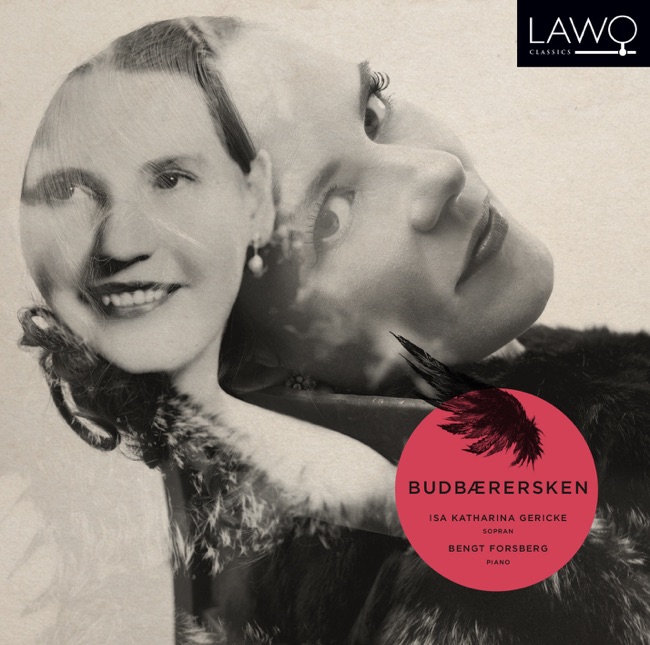 November 17, 2017
 -
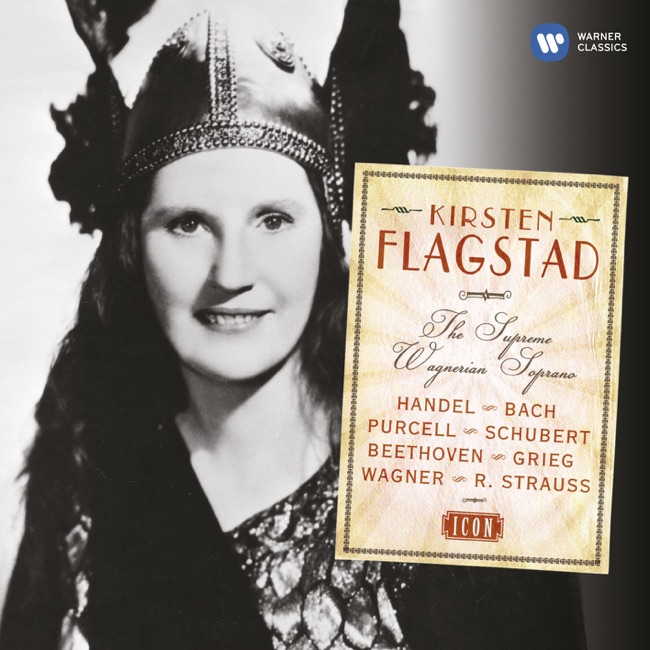 March 23, 2010
 -
Orchestral
-
 October 28, 2003
Artist Info
Role:ComposerBirth:May 23, 1871 in Drammen, NorwayDeath:September 30, 1904Period:ModernGenre:OrchestralVocalSigurd Lie was a Norwegian composer born on September 6, 1871, in the city of Christiania (now Oslo). He was the son of a prominent Norwegian architect, and his mother was a talented pianist. Lie's parents recognized his musical talent at an early age and encouraged him to pursue a career in music. Lie began his musical education at the age of six, studying piano with his mother. He later studied with several prominent Norwegian musicians, including Catharinus Elling and Iver Holter. In 1890, Lie traveled to Leipzig, Germany, to study at the Leipzig Conservatory. There, he studied composition with Salomon Jadassohn and Carl Reinecke and piano with Robert Teichmüller. After completing his studies in Leipzig, Lie returned to Norway and began his career as a composer. He quickly gained recognition for his work, and in 1896, he was awarded the prestigious King's Gold Medal for his composition "Symphony in A minor." This early success set the stage for Lie's career as a composer, and he went on to create a significant body of work over the next several decades. Lie's music was heavily influenced by the Romantic tradition, and he was known for his lush harmonies and sweeping melodies. He was also deeply influenced by Norwegian folk music, and many of his compositions incorporate elements of traditional Norwegian music. One of Lie's most significant works is his Symphony No. 1, which he composed in 1908. The symphony is a grand, sweeping work that showcases Lie's talent for orchestration and his ability to create powerful emotional landscapes through music. The symphony was well-received by audiences and critics alike and helped establish Lie as one of Norway's leading composers. In addition to his symphonies, Lie also composed a significant amount of chamber music, including several string quartets and piano trios. One of his most famous chamber works is his String Quartet No. 2, which he composed in 1914. The quartet is a haunting, melancholy work that showcases Lie's talent for creating evocative musical landscapes. Lie was also a prolific composer of vocal music, including several operas and choral works. One of his most famous vocal works is his opera "Fjeldfuglen," which he composed in 1915. The opera is based on a Norwegian folk tale and tells the story of a young girl who is transformed into a bird. The opera was well-received by audiences and helped establish Lie as one of Norway's leading opera composers. Throughout his career, Lie remained deeply committed to promoting Norwegian music and culture. He was a founding member of the Society of Norwegian Composers and worked tirelessly to promote the work of his fellow Norwegian composers. He also served as a professor of composition at the Oslo Conservatory of Music, where he taught many of Norway's most prominent composers. Lie continued to compose music throughout his life, and his later works show a continued evolution of his style. He died on January 7, 1904, in Oslo, leaving behind a significant body of work that continues to be celebrated and performed today.More....
Recent Artist Music
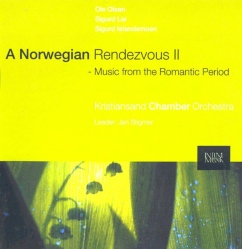
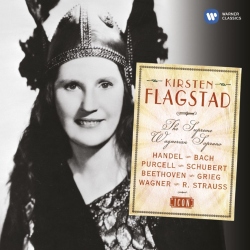
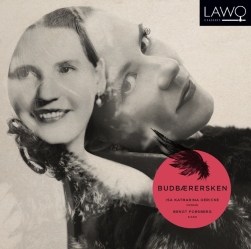
5
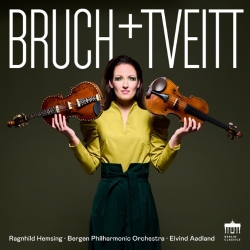
Concert piece for violin & orchestra
Konzertstück "Huldra aa'n Elland" für Violine und Orchester
8:57
Copyright Ⓒ 2013 Davinci Finger. All rights reseved
Service Terms & Policy