


Cancionero de Upsala Anonymous
Released Album
Vocal
-
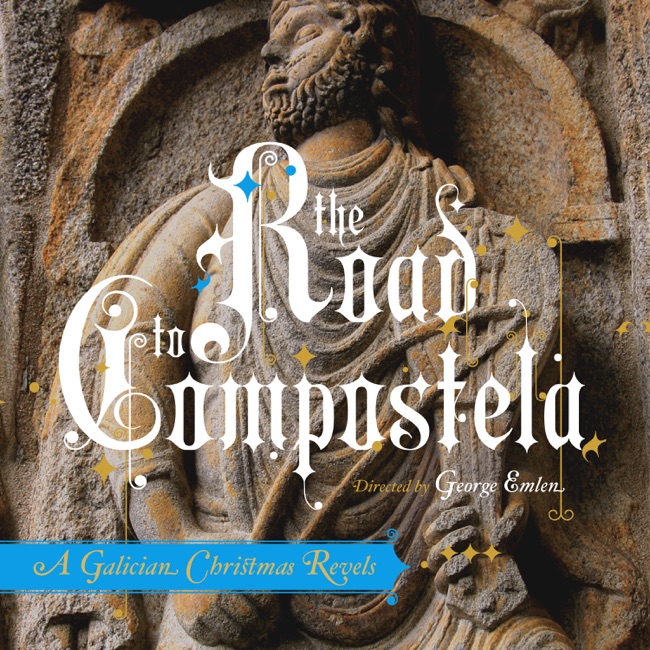 November 12, 2013
 -
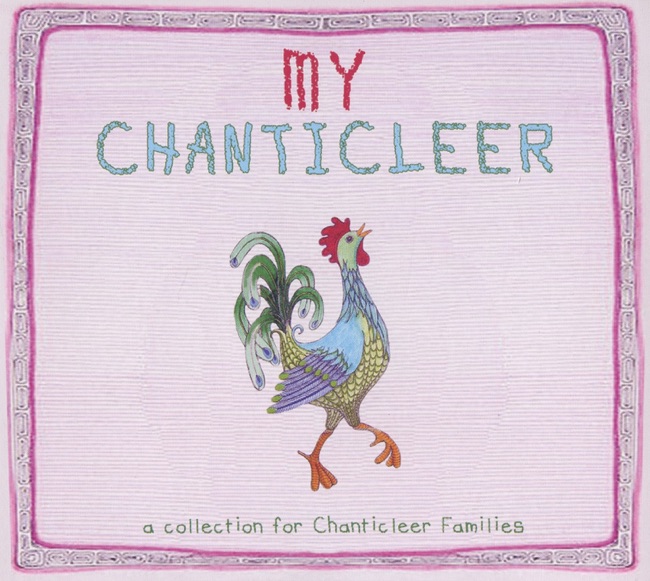 May 1, 2011
 -
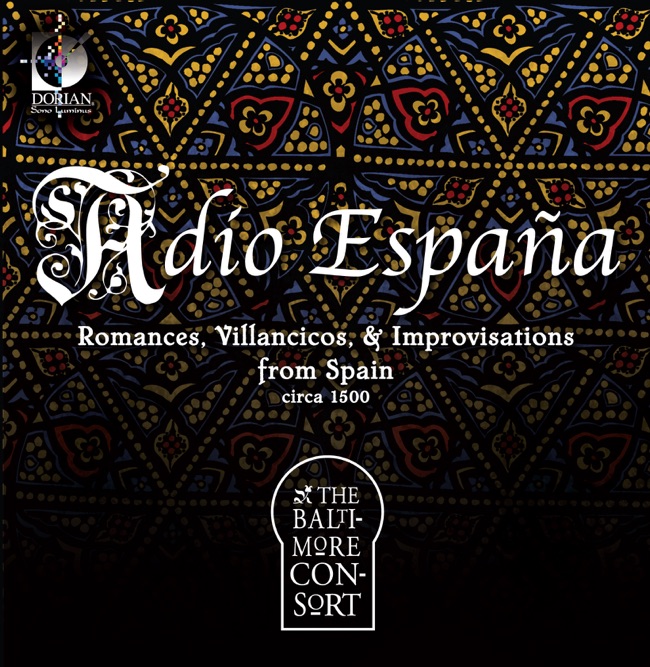
-
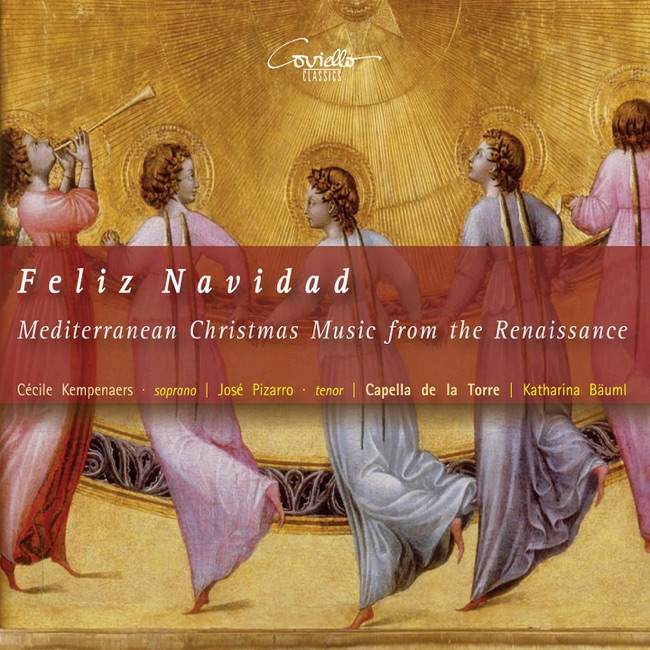 November 1, 2008
 -
 November 7, 2006
 -
 November 7, 2006
Miscellaneous
-
 March 26, 2013
Chamber
-
 August 29, 2000
Artist Info
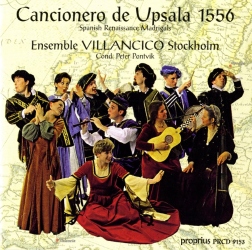
Role:ComposerCancionero de Upsala Anonymous is a classical music composer whose identity remains unknown to this day. The Cancionero de Upsala is a collection of Spanish Renaissance music that was compiled in the early 16th century. The collection contains 155 pieces of music, including villancicos, romances, and canciones. The Cancionero de Upsala is one of the most important sources of Spanish Renaissance music, and it provides valuable insight into the musical culture of the time. The Cancionero de Upsala was discovered in the library of Uppsala University in Sweden in the 19th century. The collection was bound in a manuscript that was dated to the early 16th century. The manuscript contained music that was written by various composers, but the majority of the pieces were anonymous. The collection was named after the university where it was discovered. The identity of the composer of the Cancionero de Upsala remains a mystery. The collection contains no information about the composer or the performers of the music. It is believed that the music was written by various composers who were active in Spain during the Renaissance period. The music in the collection is characterized by its simple melodies and harmonies, and its use of popular Spanish folk tunes. The Cancionero de Upsala is an important source of Spanish Renaissance music because it provides insight into the musical culture of the time. The collection contains music that was popular among the Spanish people during the Renaissance period. The music in the collection reflects the influence of the Catholic Church on Spanish music, as well as the influence of popular Spanish folk music. The Cancionero de Upsala contains several highlights of Spanish Renaissance music. One of the most famous pieces in the collection is "La Tricotea," which is a villancico that was written in the early 16th century. The piece is characterized by its lively rhythm and its use of Spanish folk tunes. Another famous piece in the collection is "De Antequera Sale el Moro," which is a romance that was written in the early 16th century. The piece is characterized by its simple melody and its use of Spanish folk tunes. The Cancionero de Upsala is an important source of Spanish Renaissance music, and it provides valuable insight into the musical culture of the time. The collection contains music that was popular among the Spanish people during the Renaissance period, and it reflects the influence of the Catholic Church on Spanish music, as well as the influence of popular Spanish folk music. The identity of the composer of the Cancionero de Upsala remains a mystery, but the music in the collection continues to be appreciated by music lovers around the world.More....
Recent Artist Music
1
1:57
3
2:39
4
1:37
5
2:11
8

1:57
10
2:11
12
1:42
14
2:35
Copyright Ⓒ 2013 Davinci Finger. All rights reseved
Service Terms & Policy