


Juan de Lienas
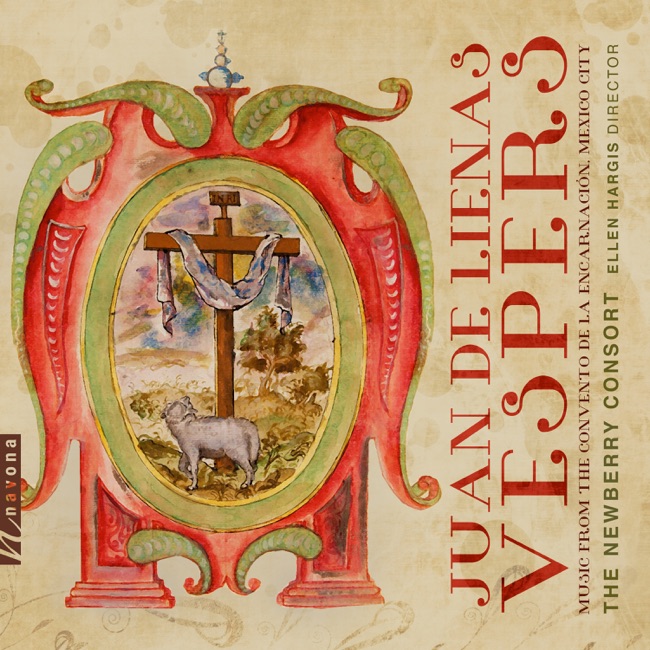
Artist Info
Role:ComposerCountry: MexicoDeath:1620Period:RenaissanceBaroqueGenre:ChoralJuan de Lienas was a Spanish composer of the Baroque era, born in the city of Seville in 1629. He was the son of a musician, and his father's influence played a significant role in his musical education. Lienas began his musical studies at a young age, and by the time he was a teenager, he was already an accomplished musician. Lienas' early musical training was focused on the guitar, which was a popular instrument in Spain at the time. He quickly became proficient on the instrument and began performing in public. However, Lienas' true passion was for composition, and he soon began studying music theory and composition with some of the leading musicians of the day. Lienas' early compositions were heavily influenced by the music of his native Spain. He was particularly drawn to the music of the flamenco tradition, which he incorporated into his compositions. However, Lienas was also influenced by the music of Italy and France, which he studied extensively. Lienas' first major composition was a set of sonatas for the guitar, which he published in 1650. The sonatas were well-received and helped establish Lienas as a composer of note. However, it was his choral music that would ultimately bring him the most acclaim. Lienas' choral music was heavily influenced by the music of the Catholic Church, which was a dominant force in Spain at the time. His compositions were often written for the liturgy and were intended to be performed in the context of the Mass. Lienas' choral music was characterized by its rich harmonies and complex counterpoint, which were hallmarks of the Baroque era. One of Lienas' most famous works is his "Missa de Nuestra Señora de la Merced," which was written in 1660. The Mass was written for the feast day of Our Lady of Mercy, which was an important holiday in Spain. The Mass is notable for its use of the guitar, which was an unusual instrument to use in a Mass at the time. However, Lienas' use of the guitar was highly effective, and the Mass was well-received by both the clergy and the public. Lienas' other notable works include his "Lamentations of Jeremiah," which were written in 1665. The Lamentations are a series of choral pieces that were intended to be performed during Holy Week. The pieces are characterized by their mournful melodies and haunting harmonies, which capture the solemnity of the occasion. Lienas' music was highly regarded during his lifetime, and he was considered one of the leading composers of his day. However, his music fell out of favor in the centuries that followed, and it was not until the 20th century that his music began to be rediscovered. Today, Lienas' music is recognized as an important contribution to the Baroque era. His use of the guitar in his Masses was highly innovative, and his choral music is considered some of the finest of the era. Lienas' music continues to be performed and recorded today, ensuring that his legacy as a composer will endure for generations to come.More....
Recent Artist Music
Copyright Ⓒ 2013 Davinci Finger. All rights reseved
Service Terms & Policy