


Janis Ivanovs
Released Album
Symphony
-
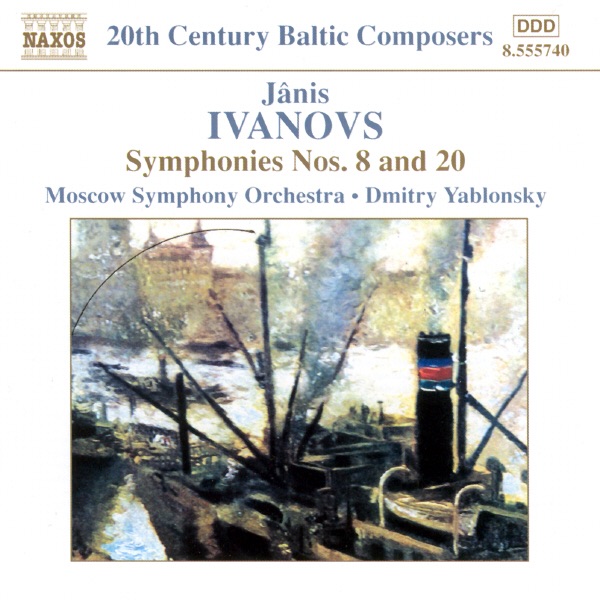 February 9, 2004
Chamber
-
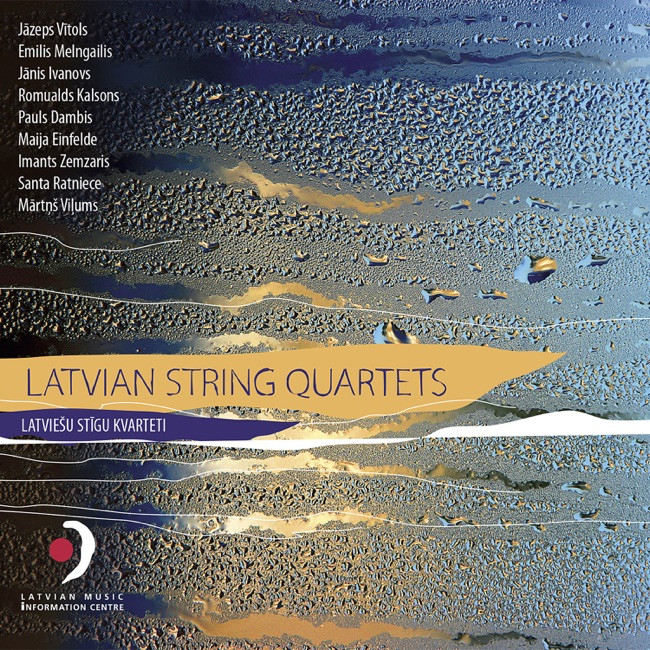 September 10, 2015
Artist Info
Role:ComposerBirth:October, 1906 in Preili, LatviaDeath:March, 1983 in Riga, LatviaPeriod:ModernGenre:ConcertoSymphonyJanis Ivanovs was a Latvian composer born on October 9, 1906, in the small town of Sabile, located in the western part of Latvia. He was the youngest of six children in a family of farmers. His father was a self-taught musician who played the accordion and the violin, and his mother was a singer in the local church choir. From an early age, Ivanovs showed a great interest in music, and his parents encouraged him to pursue his passion. Ivanovs received his first music lessons from his father, who taught him to play the accordion and the violin. Later, he studied at the Jelgava Music School, where he learned to play the piano and the cello. In 1925, he entered the Latvian Conservatory in Riga, where he studied composition with Jāzeps Vītols, one of the most prominent Latvian composers of the time. Ivanovs graduated from the conservatory in 1930 with a degree in composition. After graduation, Ivanovs worked as a music teacher in several Latvian schools and also played in various orchestras as a cellist. In 1935, he was appointed as the conductor of the Liepāja Symphony Orchestra, one of the leading orchestras in Latvia. During his tenure as the conductor, Ivanovs introduced many new works by Latvian composers and also conducted several premieres of his own compositions. Ivanovs' music is characterized by its emotional intensity, rich harmonies, and colorful orchestration. His early works, such as the Symphony No. 1 (1935) and the Piano Concerto No. 1 (1937), show the influence of the late Romantic style, with lush melodies and sweeping orchestral textures. However, Ivanovs' later works, such as the Symphony No. 4 (1951) and the Symphony No. 5 (1956), reflect his interest in modernist techniques, such as serialism and aleatoric music. One of Ivanovs' most famous works is the Symphony No. 2 (1948), which is often referred to as the "Dawn Symphony." The work is inspired by the Latvian landscape and the beauty of the sunrise. The symphony is divided into three movements, each representing a different time of day: "Morning," "Day," and "Night." The work is characterized by its lush harmonies, soaring melodies, and vivid orchestration, and it has become one of the most beloved works in the Latvian classical music repertoire. Another notable work by Ivanovs is the Symphony No. 6 (1961), which is often referred to as the "Epitaph Symphony." The work is dedicated to the memory of Ivanovs' brother, who died during World War II. The symphony is a deeply emotional work, with a mournful and introspective tone. The work is characterized by its use of dissonant harmonies and sparse textures, which create a sense of emptiness and loss. Ivanovs' output also includes several concertos, chamber music works, and choral works. His Piano Concerto No. 2 (1958) is a virtuosic work that showcases the pianist's technical abilities, while his String Quartet No. 2 (1953) is a complex and intricate work that explores the possibilities of the string quartet genre. Ivanovs' choral works, such as the "Cantata for the 20th Anniversary of the October Revolution" (1937) and the "Cantata for the 25th Anniversary of the October Revolution" (1942), reflect his interest in socialist realism and his commitment to the ideals of the Soviet Union.More....
Copyright Ⓒ 2013 Davinci Finger. All rights reseved
Service Terms & Policy