


Nicolae Bretan
Released Album
Opera
-
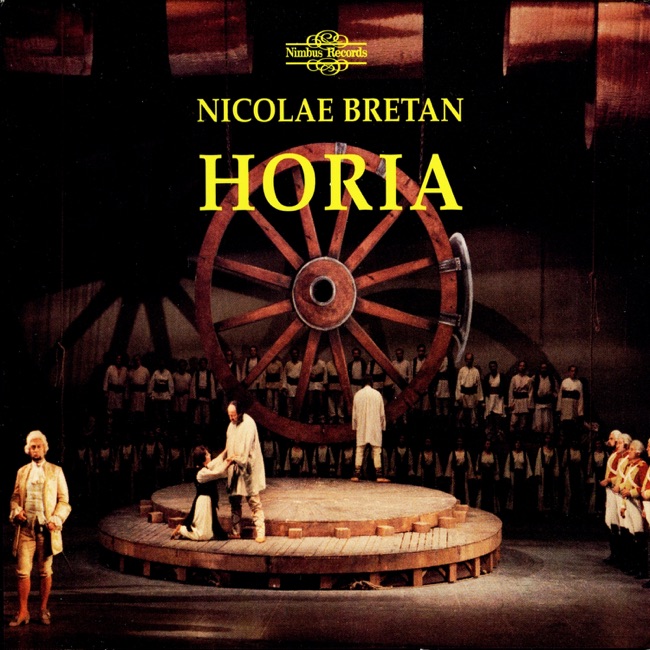 March 17, 1998
 -
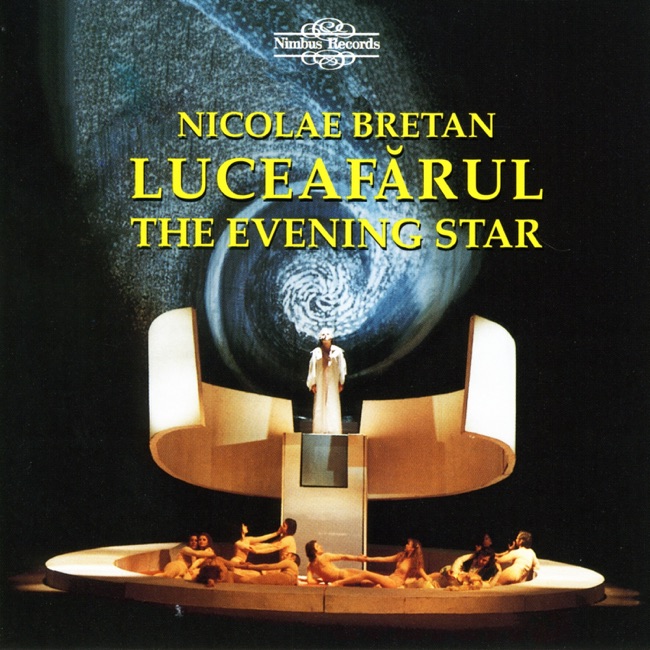 April 2, 1996
 -
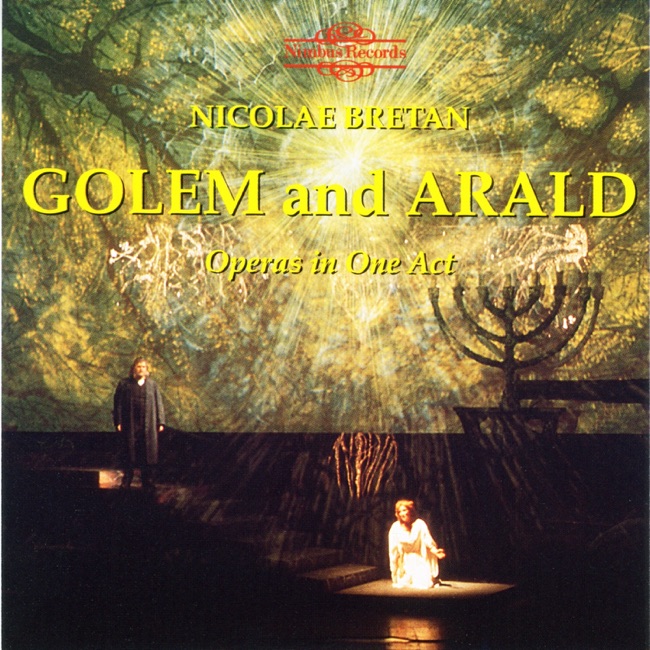 September 5, 1995
Vocal
-
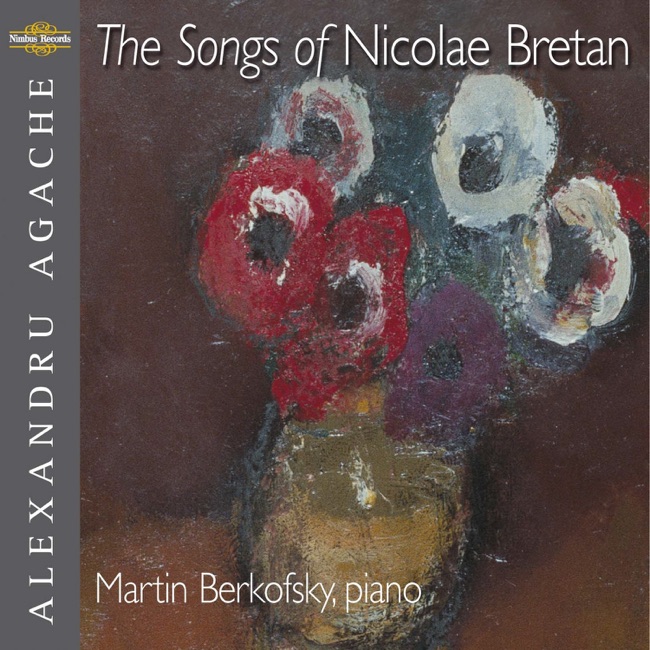 March 11, 2008
 -
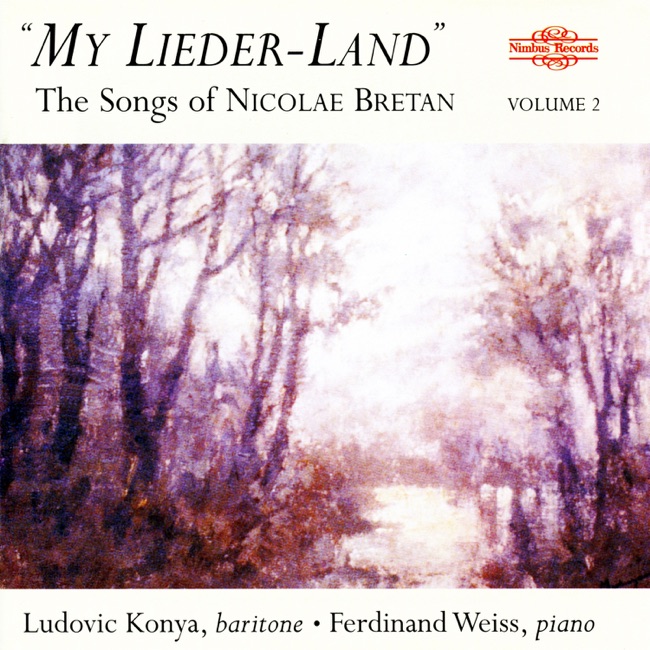 June 1, 2000
 -
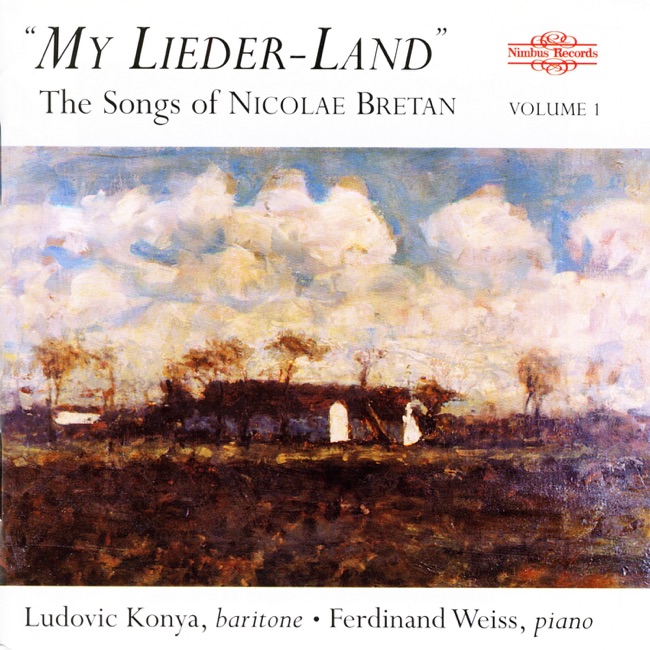 January 1, 2000
Artist Info
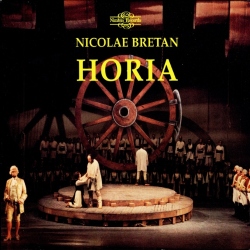
Role:ComposerCountry: RomaniaBirth:March 25, 1887 in NasaudDeath:December 1, 1968Period:ModernGenre:VocalNicolae Bretan was a Romanian composer, conductor, and baritone singer who was born on December 2, 1887, in the city of Cluj-Napoca, which was then part of the Austro-Hungarian Empire. He was the son of a Romanian Orthodox priest and grew up in a musical family. His father was a skilled singer and his mother played the piano. Bretan showed an early interest in music and began studying the piano and violin at a young age. In 1905, Bretan moved to Vienna to study music at the Vienna Conservatory. He studied composition with Robert Fuchs and singing with Julius Patzak. He also studied conducting with Felix Weingartner and Hans Richter. Bretan was a talented student and won several awards for his compositions. He graduated from the conservatory in 1910 with a diploma in composition. After completing his studies, Bretan returned to Romania and began his career as a composer and singer. He quickly gained a reputation as a talented baritone and performed in many operas and concerts throughout Romania. He also began composing his own music, including operas, songs, and choral works. Bretan's most famous opera is "The Land of Smiles," which he composed in 1929. The opera tells the story of a Viennese prince who falls in love with a Chinese princess. The opera was a huge success and was performed in many countries around the world. Bretan also composed several other operas, including "Luceafarul," "Horia," and "Golem." In addition to his operas, Bretan composed many songs and choral works. His songs are known for their beautiful melodies and emotional depth. Some of his most famous songs include "Cantecul primaverii" (The Song of Spring), "Lacrimi de dor" (Tears of Longing), and "Cantecul miresei" (The Bride's Song). Bretan's choral works are also highly regarded and include "Miorita," "Hora Unirii," and "Cantarea Romaniei" (The Song of Romania). Bretan was also a talented conductor and led many orchestras and choirs throughout his career. He was the conductor of the Cluj-Napoca Opera from 1920 to 1944 and also conducted the Bucharest Opera and the Romanian National Radio Orchestra. He was known for his passionate and expressive conducting style and was highly respected by his colleagues. Despite his success as a composer and singer, Bretan was also a controversial figure. He was a strong supporter of the Romanian Orthodox Church and was critical of the Romanian Communist Party. He was also accused of anti-Semitism and was briefly imprisoned during World War II. However, he was eventually released and continued to compose and perform until his death in 1968. Today, Nicolae Bretan is remembered as one of Romania's greatest composers. His music is still performed and recorded around the world and his operas are considered to be some of the finest examples of Romanian opera. Bretan's legacy continues to inspire new generations of musicians and his contributions to classical music will not be forgotten.More....
Copyright Ⓒ 2013 Davinci Finger. All rights reseved
Service Terms & Policy