


René Gerber
Released Album
Concerto
-
 February 10, 2009
 -
-
-
 July 21, 1993
Orchestral
-
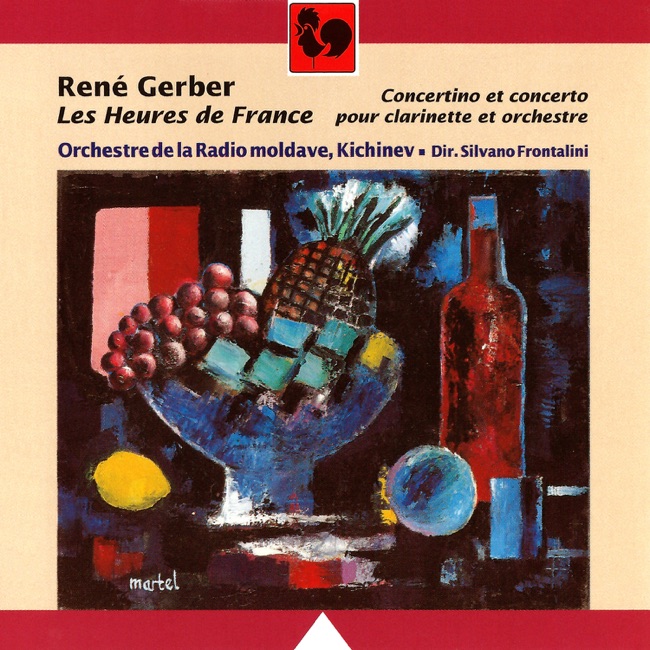 January 27, 2004
 -
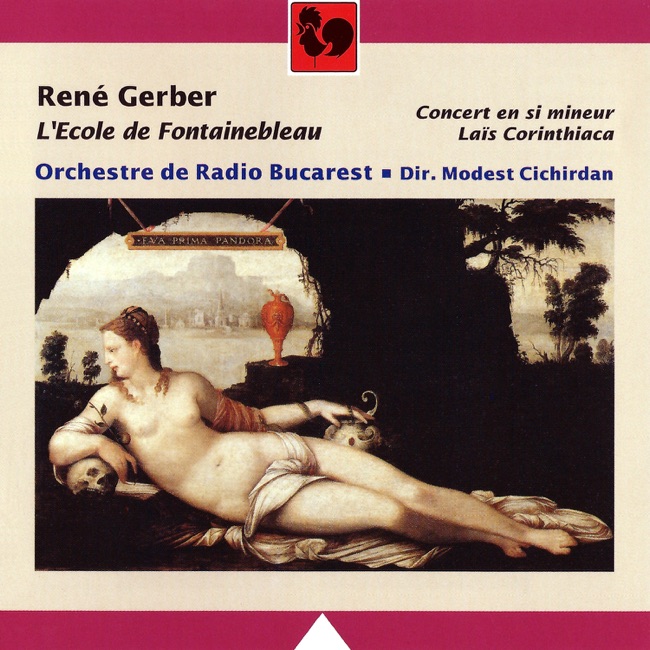 August 26, 2003
 -
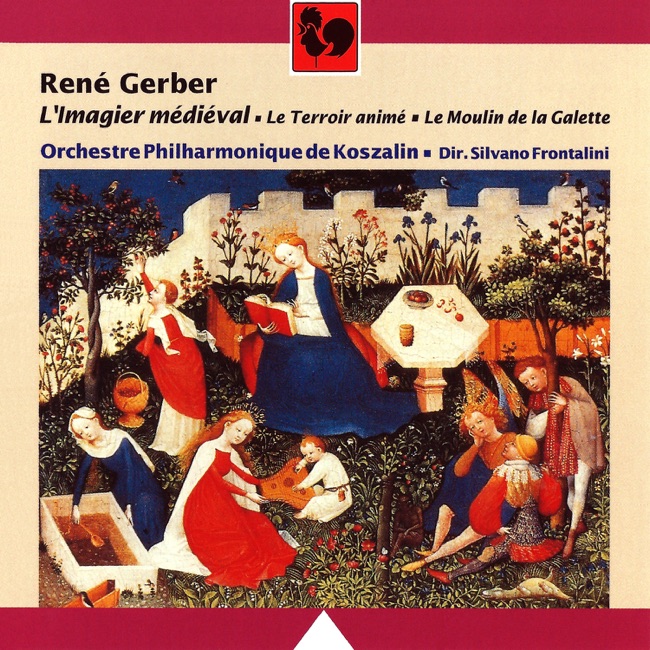 May 27, 2003
 -
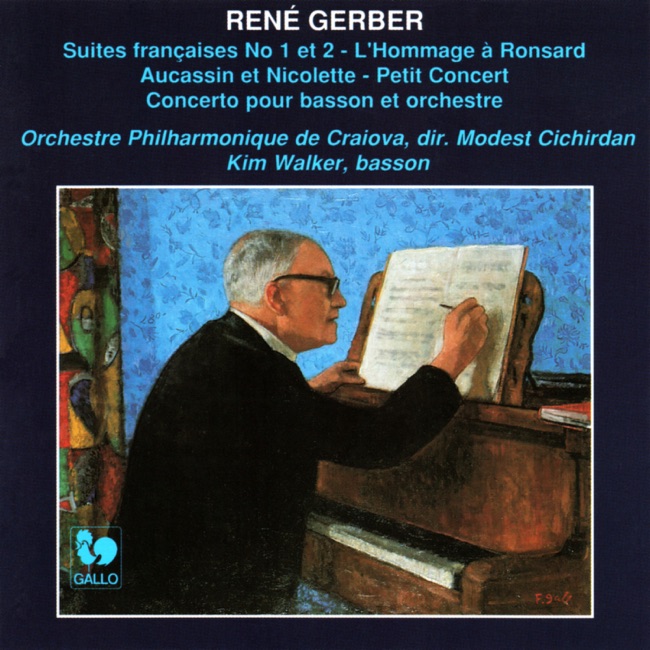
-
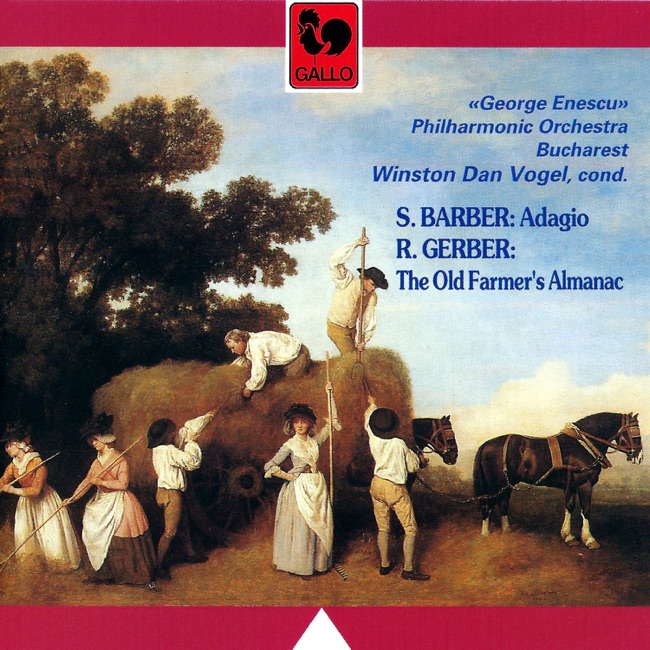 December 12, 1995
 -
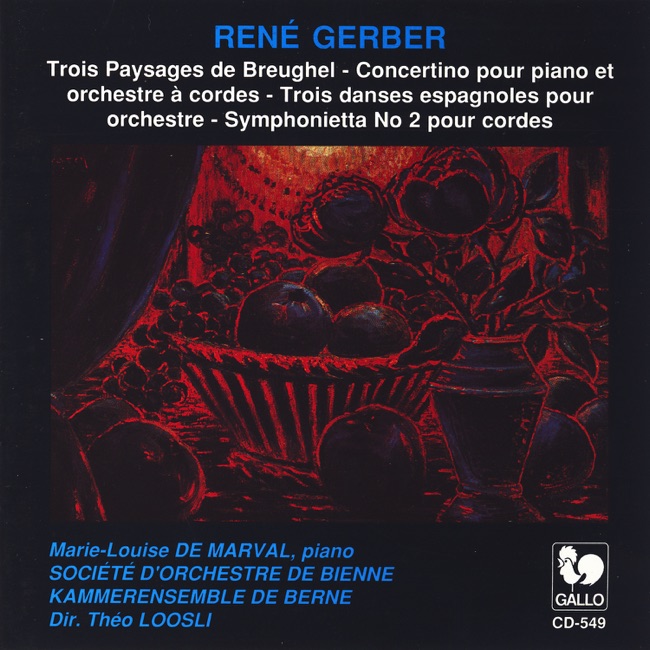
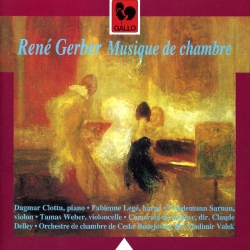
Chamber
-
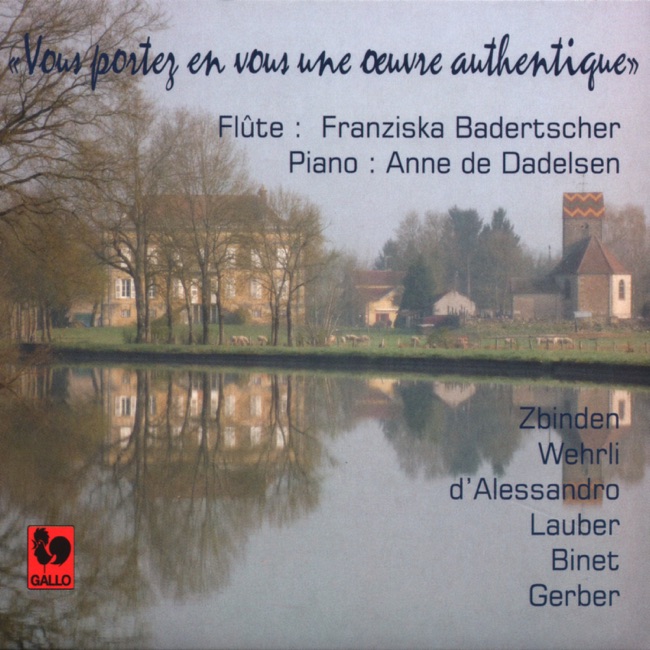 June 2, 2015
 -
 2007
2007 -
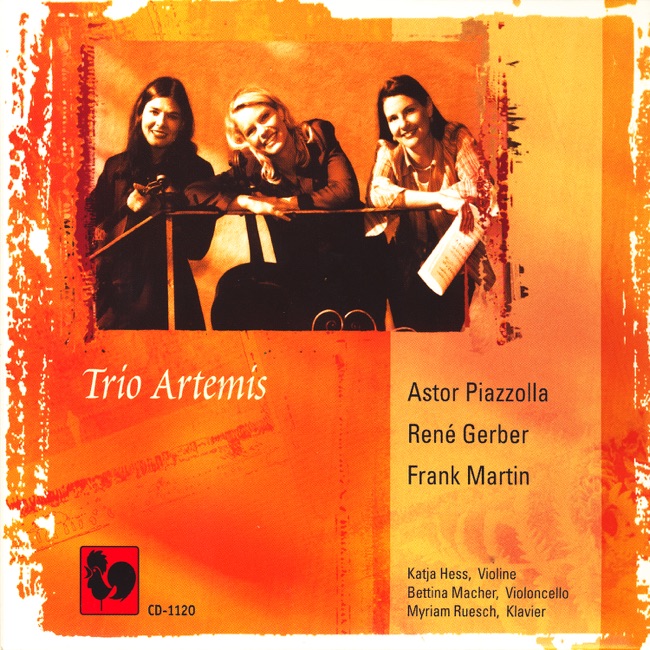 October 28, 2003
 -
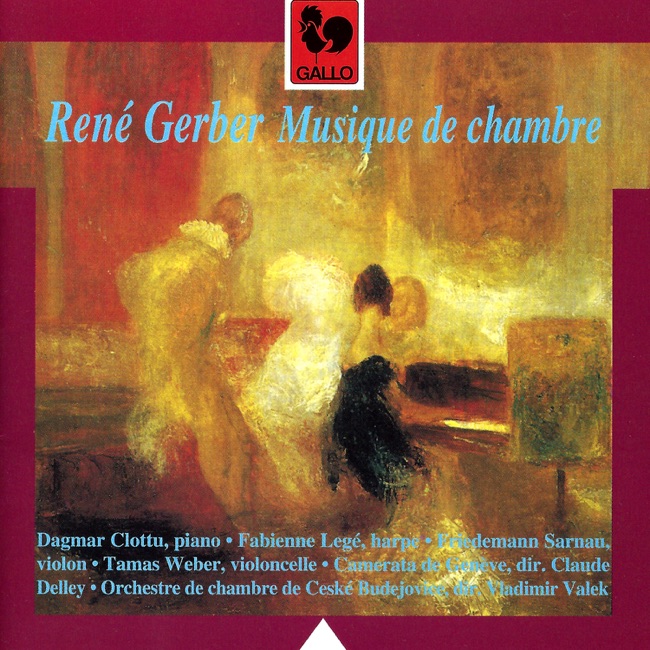 September 1, 1996
 -
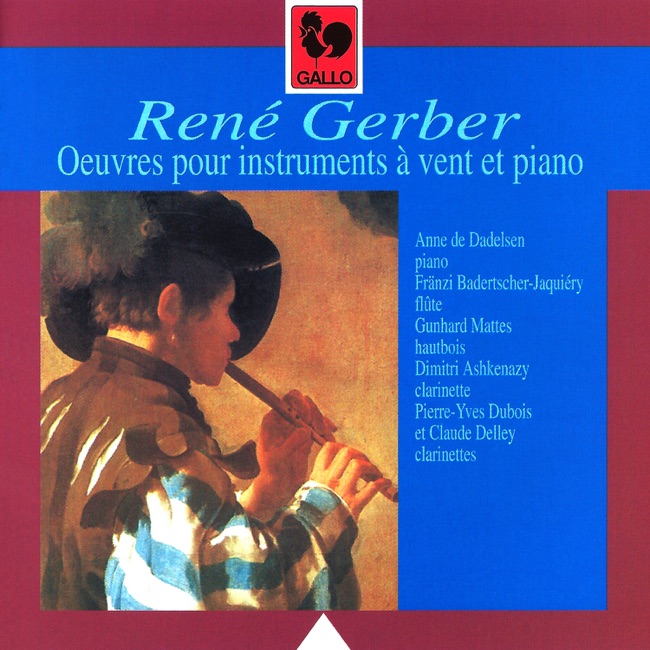 June 18, 1996
Keyboard
-
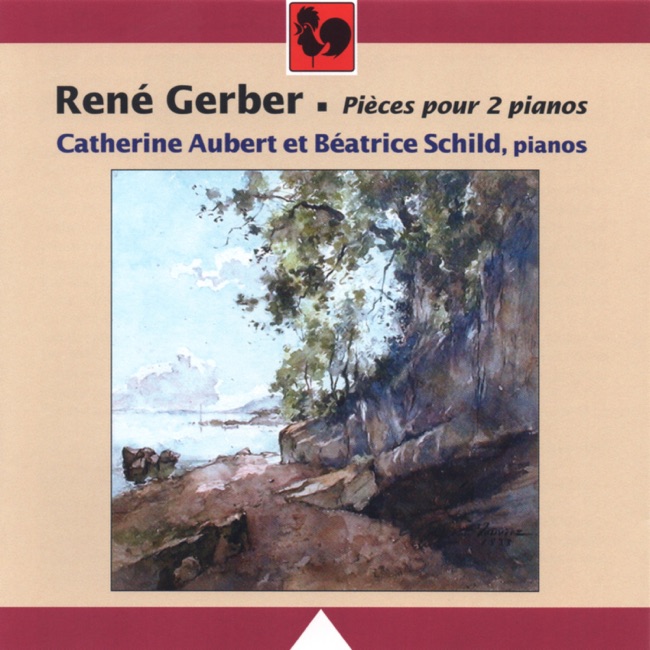 June 29, 2004
 -
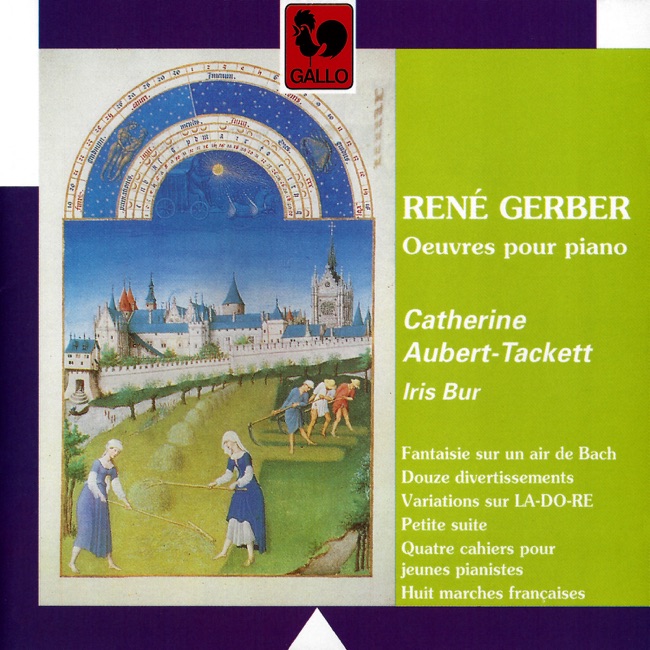 December 12, 1995
Artist Info
Role:ComposerBirth:June 29, 1908 in Travers, SwitzerlandDeath:November 21, 2006 in Bevaix, SwitzerlandPeriod:ModernGenre:ChamberConcertoOrchestralRené Gerber was a Swiss composer who was born on August 28, 1908, in the city of Geneva. He was the son of a music teacher and grew up in a family that was deeply involved in music. From a young age, Gerber showed a keen interest in music and began studying the piano and violin at the age of six. Gerber's musical talent was evident from an early age, and he quickly became a skilled musician. He went on to study at the Geneva Conservatory, where he received a solid foundation in music theory and composition. After completing his studies, Gerber began working as a music teacher, and he also began composing his own music. Gerber's early compositions were heavily influenced by the classical music of the time, particularly the works of composers such as Mozart and Beethoven. However, as he continued to develop his own style, Gerber began to incorporate elements of modernism into his music. He was particularly interested in the use of atonality and dissonance, which he used to create a unique and distinctive sound. One of Gerber's most significant works is his Symphony No. 1, which he composed in 1935. The symphony is a complex and challenging work that showcases Gerber's mastery of orchestration and his ability to create intricate and nuanced musical textures. The symphony was well-received by critics and helped to establish Gerber as a major figure in the world of classical music. In addition to his symphonies, Gerber also composed a number of chamber works, including string quartets and sonatas. These works are characterized by their intricate harmonies and complex rhythms, and they demonstrate Gerber's skill as a composer of chamber music. Gerber's music was not always well-received by audiences, however. Some critics found his use of atonality and dissonance to be too challenging, and his music was often dismissed as being too difficult or inaccessible. Despite this, Gerber continued to compose music that was true to his own artistic vision, and he remained committed to pushing the boundaries of classical music. Throughout his career, Gerber received numerous awards and honors for his contributions to classical music. In 1952, he was awarded the Prix de Rome, one of the most prestigious awards in the world of classical music. He was also awarded the Grand Prix de la Ville de Paris in 1960 and the Grand Prix de la Fondation Prince Pierre de Monaco in 1975. Gerber continued to compose music until his death in 2006 at the age of 97. His legacy as a composer and musician continues to be celebrated by classical music enthusiasts around the world, and his music remains an important part of the classical music canon.More....
Recent Artist Music
3
4:39
4
6:22
5
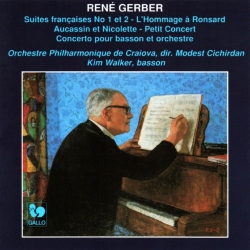
Concerto for bass & orchestra
Fugue. Allegro non troppo
René Gerber: Suites françaises Nos. 1 & 2; L'Hommage à Ronsard; Aucassin et Nocolette; Petit Concert
6:7

Copyright Ⓒ 2013 Davinci Finger. All rights reseved
Service Terms & Policy