


Jean Absil
Released Album
Chamber
-
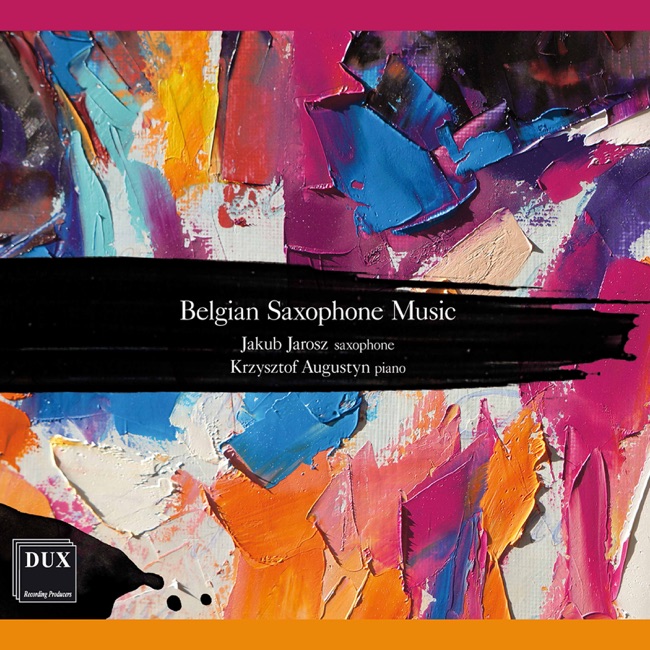 May 7, 2021
 -
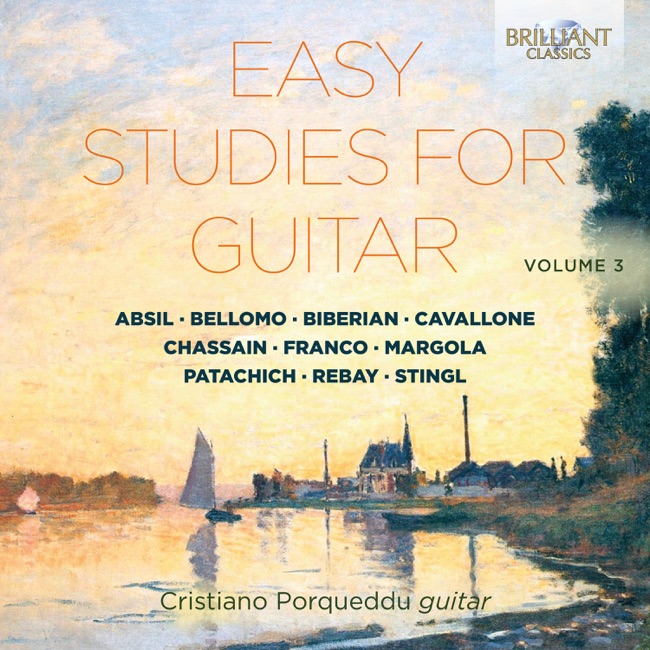 April 3, 2020
 -
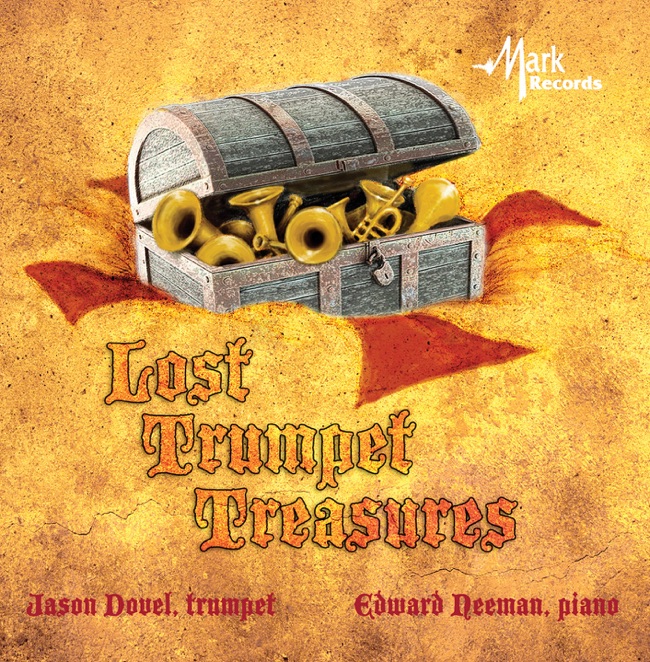 August 12, 2014
Orchestral
-
 November 19, 1996
Band
-
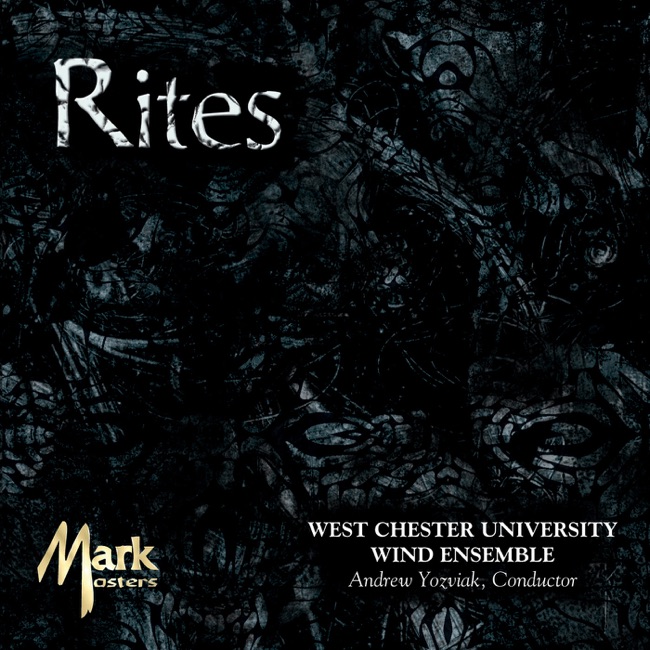 September 1, 2012
Artist Info
Role:ComposerCountry: BelgiumBirth:October 23, 1893 in Bon-Secours, HainautDeath:February 2, 1974 in Uccle, BrusselsPeriod:ModernGenre:ChamberJean Absil was a Belgian composer who was born on March 23, 1893, in Etterbeek, a suburb of Brussels. He was the son of a music teacher and grew up in a musical family. His father, Gustave Absil, was a violinist and conductor, and his mother, Marie-Louise, was a pianist. Jean Absil showed an early interest in music and began studying piano and violin at a young age. Absil's musical education began at the Brussels Conservatory, where he studied composition with Paul Gilson and violin with César Thomson. He also studied harmony and counterpoint with Joseph Jongen, a prominent Belgian composer. Absil was a talented student and won several prizes for his compositions while at the conservatory. After completing his studies at the Brussels Conservatory, Absil continued his education in Paris, where he studied with Vincent d'Indy at the Schola Cantorum. He also studied with Nadia Boulanger, who was a highly influential teacher of composition at the time. Absil's time in Paris was a formative period in his development as a composer, and he was exposed to a wide range of musical styles and techniques. Absil's early works were influenced by the French impressionist composers, particularly Debussy and Ravel. However, he soon developed his own distinctive style, which was characterized by a strong sense of structure and a preference for contrapuntal textures. Absil was also interested in incorporating elements of folk music into his compositions, and he often used folk melodies and rhythms in his works. One of Absil's most significant early works was his Symphony No. 1, which he composed in 1923. The symphony was well-received and established Absil as a major figure in Belgian music. The work is characterized by its use of complex polyphonic textures and its incorporation of folk elements. Absil went on to compose several more symphonies over the course of his career, each of which demonstrated his mastery of orchestration and his ability to create powerful musical structures. In addition to his symphonies, Absil composed a wide range of other works, including chamber music, vocal music, and works for solo instruments. One of his most famous works is his Concerto for Piano and Orchestra, which he composed in 1948. The concerto is notable for its virtuosic piano writing and its use of complex rhythmic patterns. Absil was also a prolific composer of choral music, and he wrote several works for choir and orchestra. One of his most famous choral works is his Cantate de la Paix, which he composed in 1950. The work is a powerful statement against war and violence, and it features a large choir and orchestra. Throughout his career, Absil was recognized as one of the leading composers of his generation. He won numerous awards and honors, including the Prix de Rome in 1923 and the Grand Prix de la Ville de Paris in 1951. He was also a respected teacher of composition, and he taught at the Brussels Conservatory for many years. Absil's music is characterized by its clarity of form, its use of complex polyphonic textures, and its incorporation of folk elements. His works are often challenging for performers, but they are also deeply rewarding for those who take the time to study and perform them. Today, Absil is remembered as one of the most important Belgian composers of the 20th century, and his music continues to be performed and studied by musicians around the world.More....
Recent Artist Music
Copyright Ⓒ 2013 Davinci Finger. All rights reseved
Service Terms & Policy