


Petr Eben
Released Album
Keyboard
-
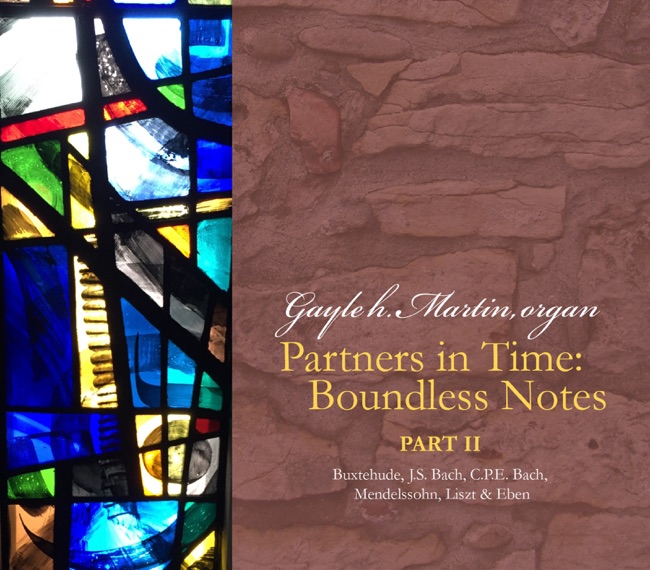 July 6, 2018
 -
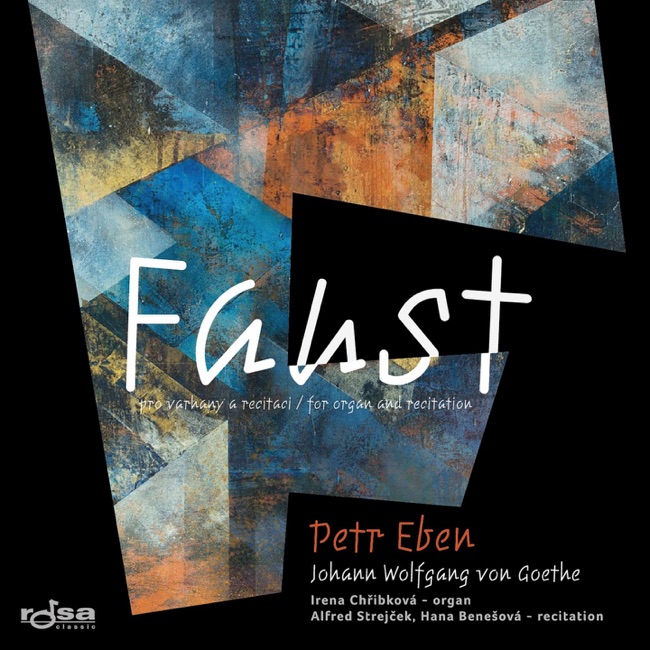 October 16, 2017
 -
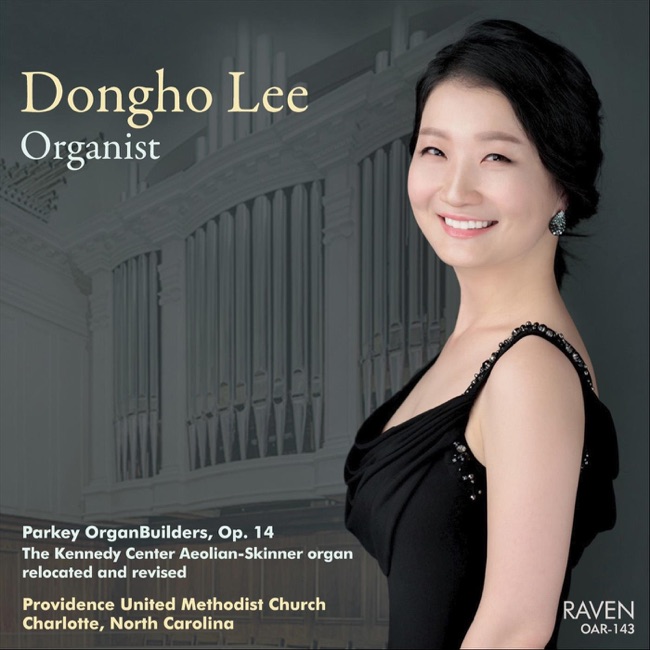 October 10, 2017
 -
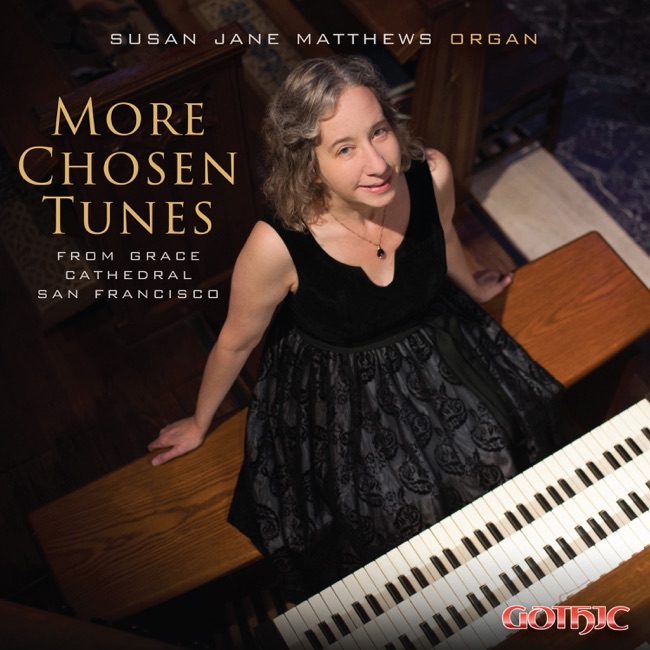 April 21, 2017
 -
 November 11, 2016
 -
 January 1, 2016
Chamber
-
-
 September 1, 2017
 -
 April 18, 2013
 -
-
-
 May 11, 2010
Vocal
-
 June 10, 2016
 -
 September 22, 2008
 -
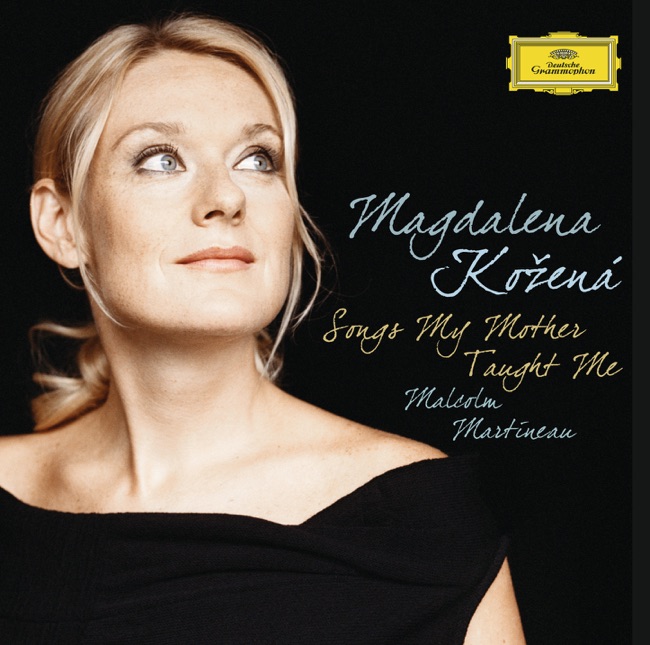 January 1, 2008
 -
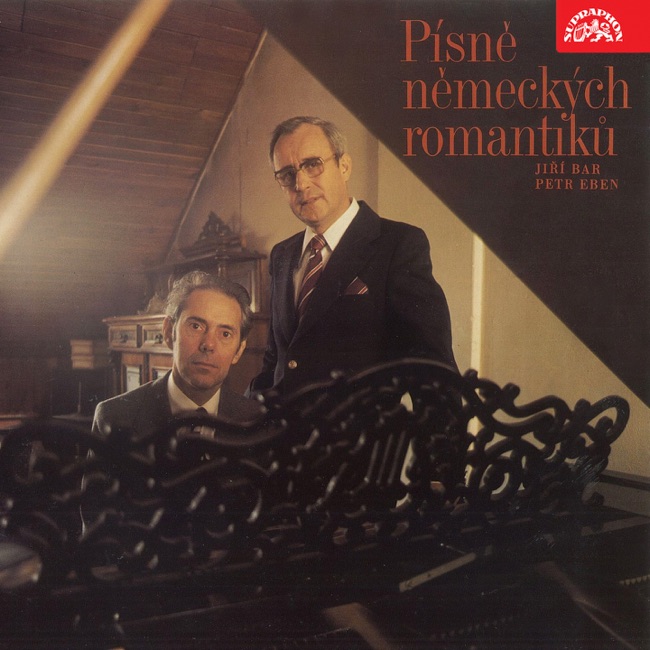
Choral
-
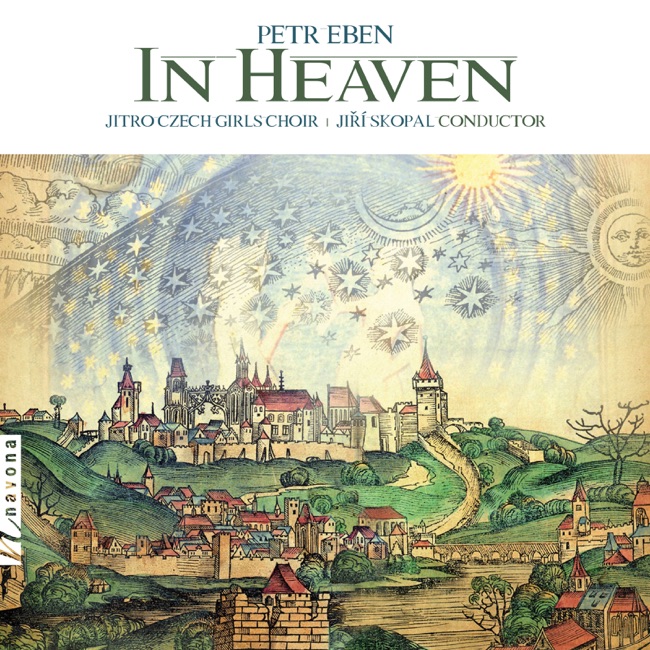 May 10, 2019
 -
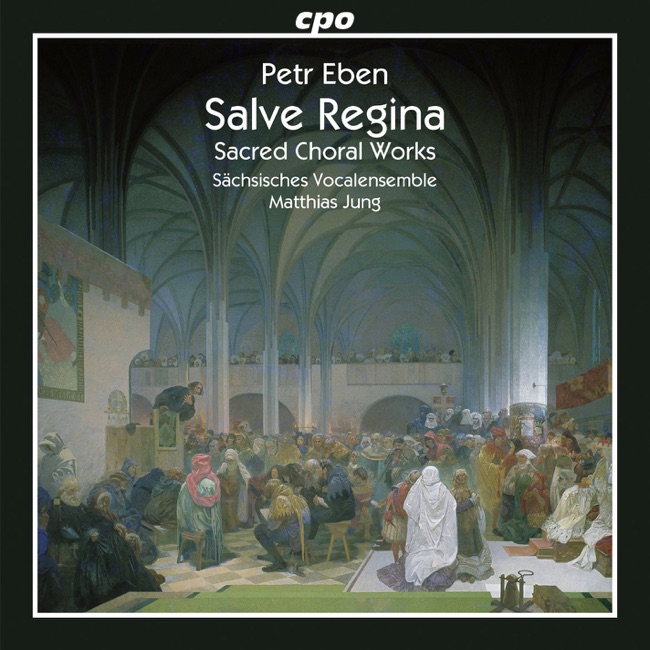 October 11, 2013
 -
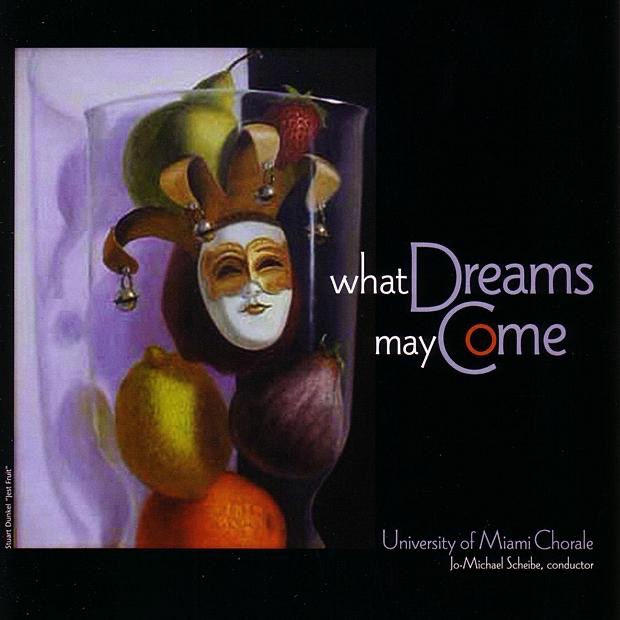 October 26, 2004
 -
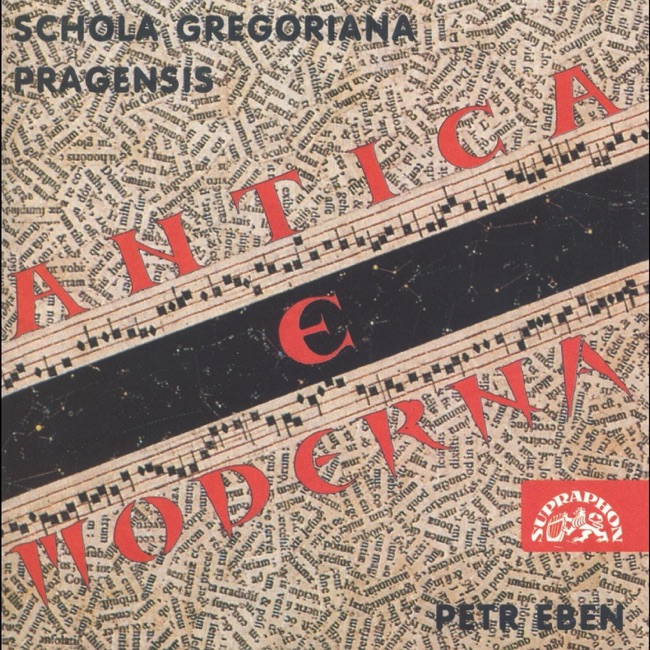 January 1, 1998
 -
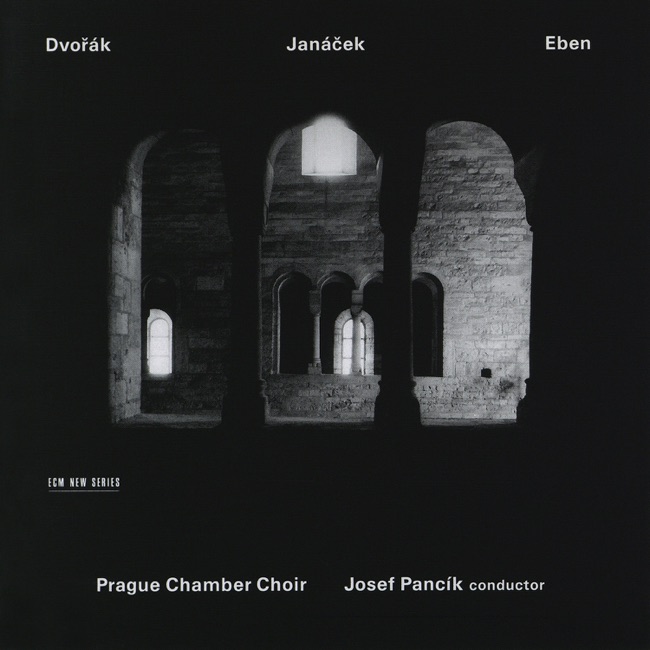 May 21, 1996
 -
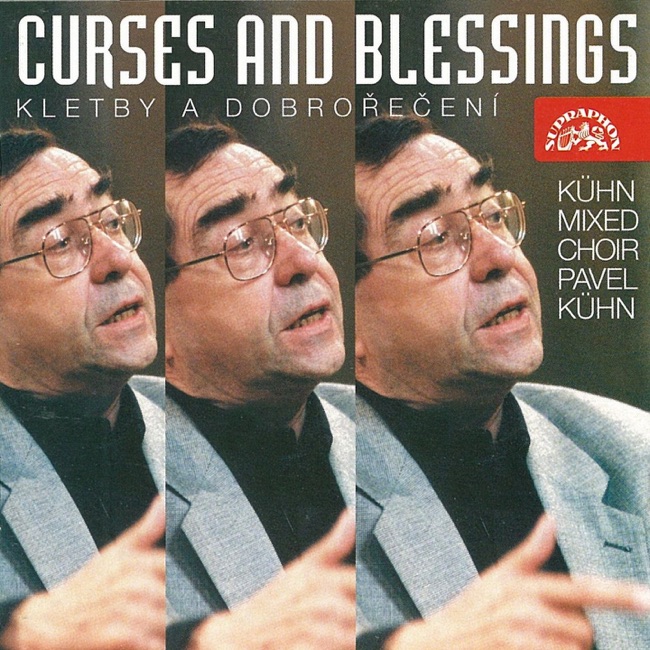 1977
1977
Artist Info
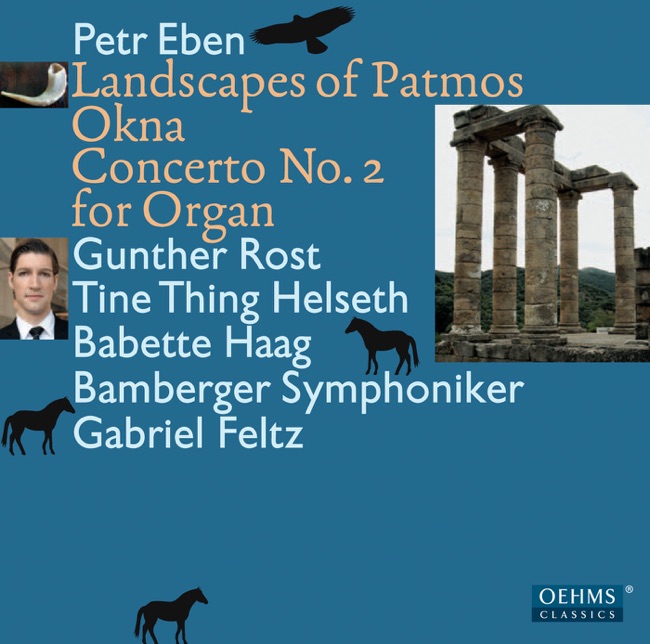
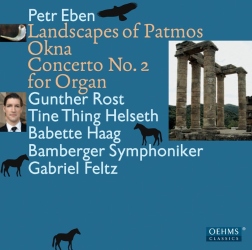
Role:ComposerBirth:January 22, 1929 in Zamberk, Czech RepublicDeath:October 24, 2007 in Prague, Czech RepublicPeriod:ContemporaryGenre:ChamberChoralKeyboardPetr Eben was a Czech composer, organist, and pianist who was born on January 22, 1929, in Žamberk, Czechoslovakia. He was the son of a schoolteacher and a church organist, and his parents recognized his musical talent at an early age. Eben began playing the piano at the age of six and started composing his own music when he was just eight years old. Eben's musical education began at the Prague Conservatory, where he studied composition with Pavel Bořkovec and organ with Bedřich Janáček. He continued his studies at the Academy of Performing Arts in Prague, where he studied composition with Emil Hlobil and organ with Josef Páleníček. Eben also studied in Paris with Olivier Messiaen, who had a significant influence on his music. Eben's early works were influenced by the neoclassical style of Stravinsky and Hindemith, but he later developed his own unique style that combined elements of Czech folk music, jazz, and avant-garde techniques. His music is characterized by its rhythmic vitality, colorful harmonies, and imaginative use of timbre. One of Eben's most significant works is his oratorio "Job," which was composed in 1961. The piece is based on the biblical story of Job and explores themes of suffering, faith, and redemption. The oratorio is scored for soloists, choir, and orchestra and features a wide range of musical styles, including Gregorian chant, jazz, and avant-garde techniques. "Job" is considered one of Eben's most powerful and emotionally charged works. Another notable work by Eben is his "Okna" ("Windows") for organ, which was composed in 1962. The piece is a set of four movements, each of which is inspired by a different stained-glass window in the Gothic cathedral of Chartres, France. The work is characterized by its colorful harmonies, virtuosic organ writing, and imaginative use of timbre. "Okna" is considered one of the most significant works in the organ repertoire of the 20th century. Eben also composed a significant amount of music for the piano, including his "Landscapes of Patmos" cycle, which was composed in 1982. The cycle is inspired by the book of Revelation and features seven movements, each of which depicts a different scene from the book. The music is characterized by its virtuosic piano writing, imaginative use of harmony, and evocative imagery. In addition to his work as a composer, Eben was also a highly regarded organist and pianist. He performed extensively throughout Europe and the United States and was known for his virtuosic playing and interpretive skills. Eben was also a respected teacher and taught composition and organ at the Academy of Performing Arts in Prague. Eben's music has been widely performed and recorded, and his influence can be heard in the work of many contemporary composers. He received numerous awards and honors throughout his career, including the Czech State Prize for Music in 1987 and the Order of Tomáš Garrigue Masaryk in 1999. Eben died on October 24, 2007, in Prague, Czech Republic, at the age of 78. His legacy as a composer, organist, and pianist continues to be celebrated and his music remains an important part of the classical repertoire.More....
Recent Artist Music


Copyright Ⓒ 2013 Davinci Finger. All rights reseved
Service Terms & Policy