


Albert Becker
Released Album
Choral
-
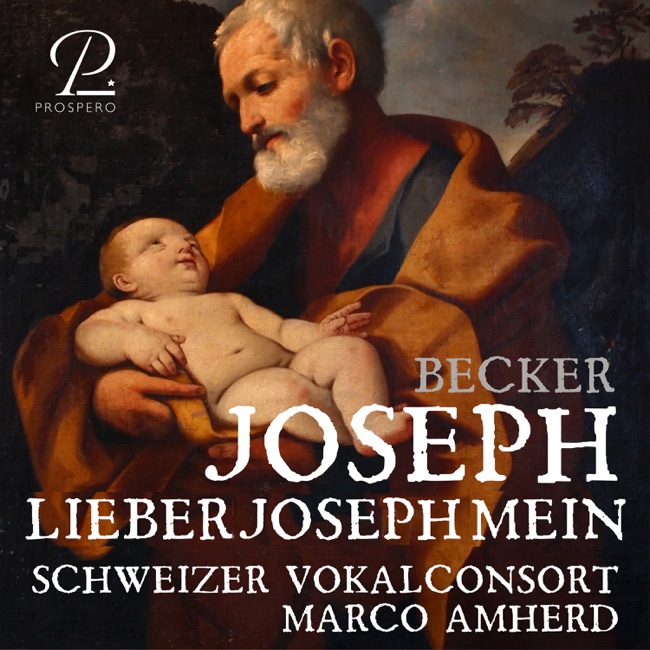 October 28, 2022
 -
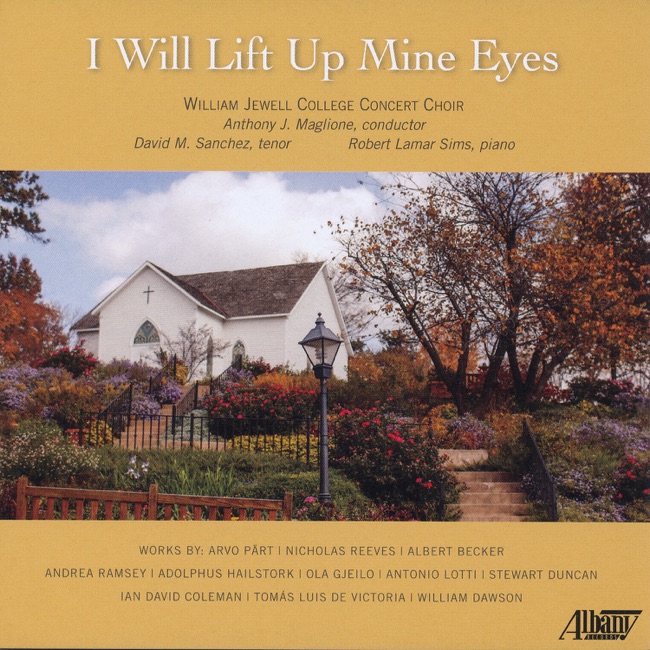 April 2, 2018
 -
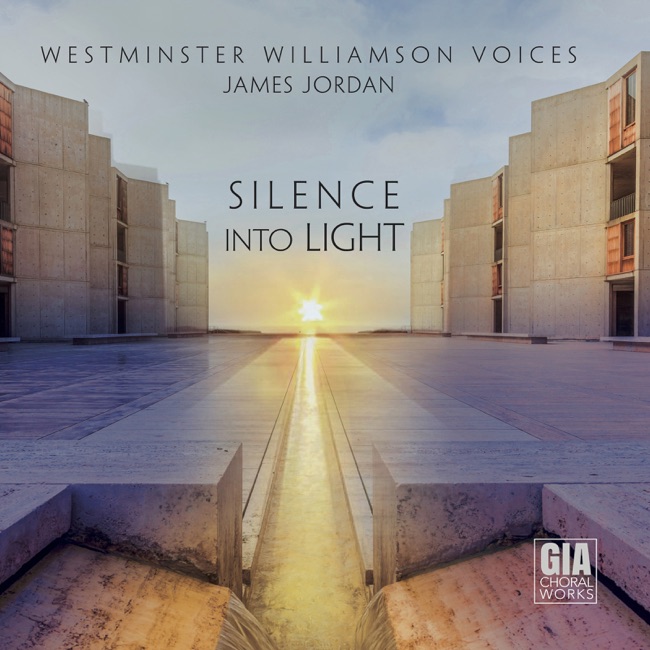 February 16, 2018
 -
 November 4, 2013
 -
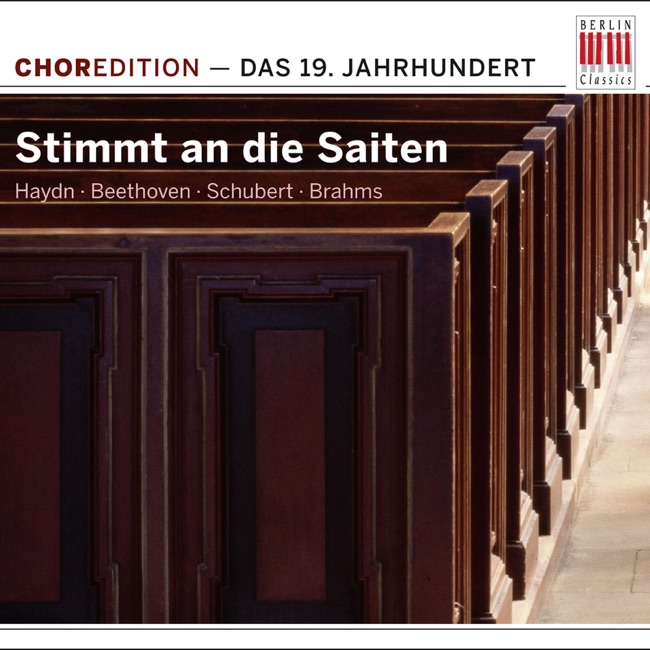 November 19, 2010
 -
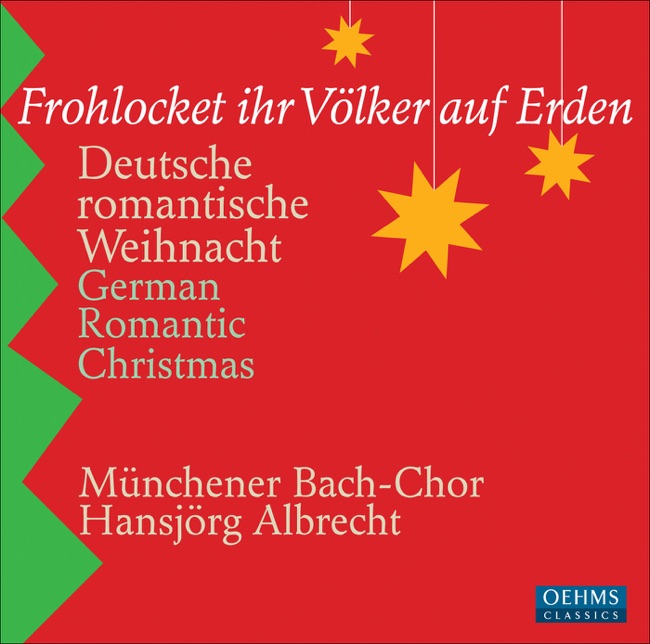 October 27, 2009
Chamber
-
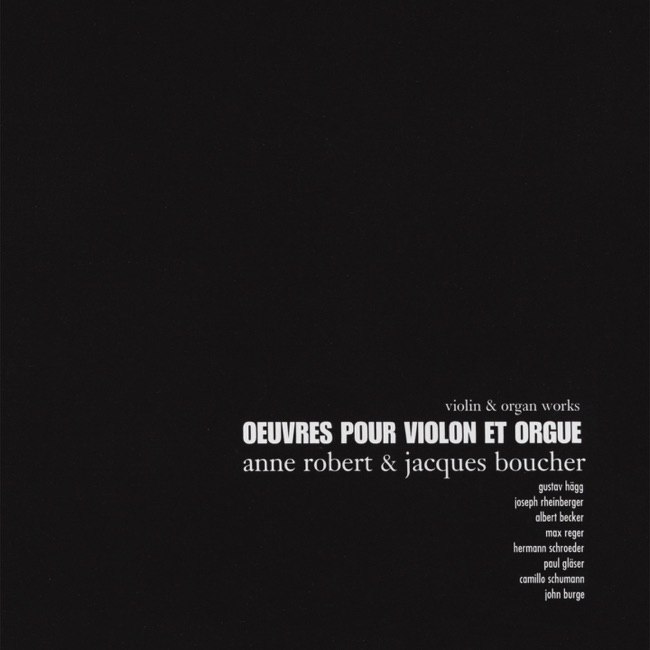 September 8, 2009
 -
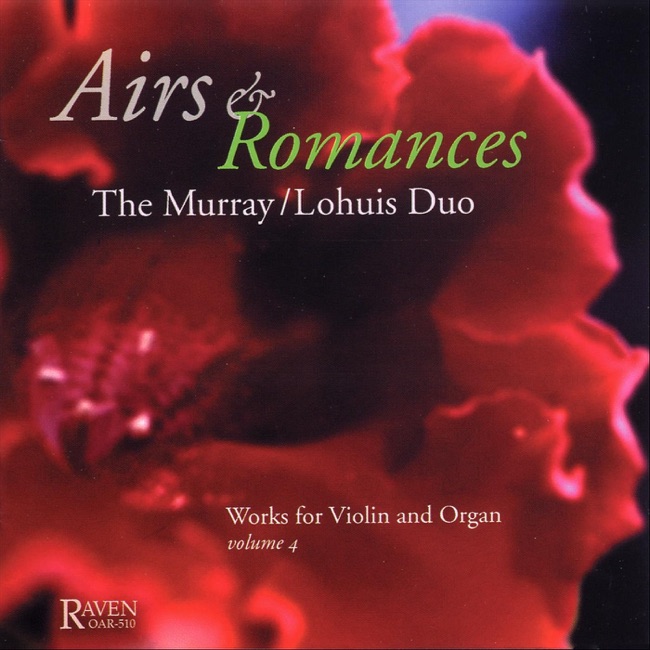 November 28, 2000
Keyboard
-
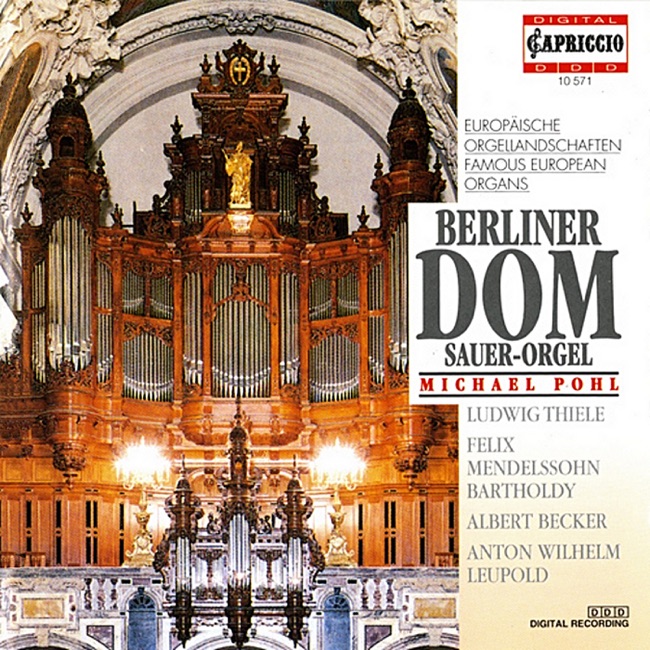 August 25, 1998
Artist Info
Role:ComposerCountry: GermanyBirth:1834 in Quedlinburg, GermanyDeath:1899 in Berlin, GermanyPeriod:RomanticGenre:ChamberChoralKeyboardAlbert Becker was a German composer and conductor who lived from 1834 to 1899. He was born in Frankfurt an der Oder, a city in eastern Germany, and showed an early interest in music. His father was a musician and taught him to play the piano and violin. Becker also studied music at the Leipzig Conservatory, where he was a student of Felix Mendelssohn and Robert Schumann. After completing his studies, Becker worked as a conductor and composer in various cities in Germany. He was appointed conductor of the Leipzig Opera in 1868, and later served as conductor of the Berlin Philharmonic Orchestra. He also taught at the Berlin Hochschule für Musik, where his students included the composer Paul Hindemith. Becker's music is characterized by its Romantic style and its use of traditional forms and techniques. He wrote in a variety of genres, including symphonies, chamber music, and opera. His works are known for their lyrical melodies, rich harmonies, and expressive use of orchestration. One of Becker's most famous works is his Symphony No. 2 in D minor, which was composed in 1873. The symphony is in four movements and features a dramatic opening theme that is developed throughout the work. The second movement is a lyrical adagio, while the third is a lively scherzo. The final movement is a grand finale that brings the work to a triumphant close. Another notable work by Becker is his String Quartet No. 1 in G major, which was composed in 1865. The quartet is in four movements and features a lively opening theme that is developed throughout the work. The second movement is a lyrical adagio, while the third is a lively scherzo. The final movement is a grand finale that brings the work to a triumphant close. Becker also wrote several operas, including Der Cid, which was composed in 1885. The opera is based on the story of the Spanish hero Rodrigo Díaz de Vivar, who is known as El Cid. The work features a dramatic score that captures the heroism and tragedy of the story. In addition to his work as a composer, Becker was also a respected conductor. He was known for his ability to bring out the best in his musicians and for his attention to detail. He was particularly skilled at conducting the works of Beethoven and Brahms, and was known for his interpretations of their music. Becker's legacy as a composer and conductor has been overshadowed by the works of his contemporaries, such as Brahms and Wagner. However, his music is still performed and recorded today, and is appreciated for its beauty and craftsmanship. His contributions to the development of German classical music are significant, and his influence can be heard in the works of later composers such as Hindemith and Richard Strauss. In conclusion, Albert Becker was a talented composer and conductor who made significant contributions to the development of German classical music. His music is characterized by its Romantic style and its use of traditional forms and techniques. His works are known for their lyrical melodies, rich harmonies, and expressive use of orchestration. Although his legacy has been overshadowed by his contemporaries, his music is still appreciated today and his influence can be heard in the works of later composers.More....
Recent Artist Music
4
2:49
7
6:8

Copyright Ⓒ 2013 Davinci Finger. All rights reseved
Service Terms & Policy