


Augusta Holmès
Released Album
Miscellaneous
-
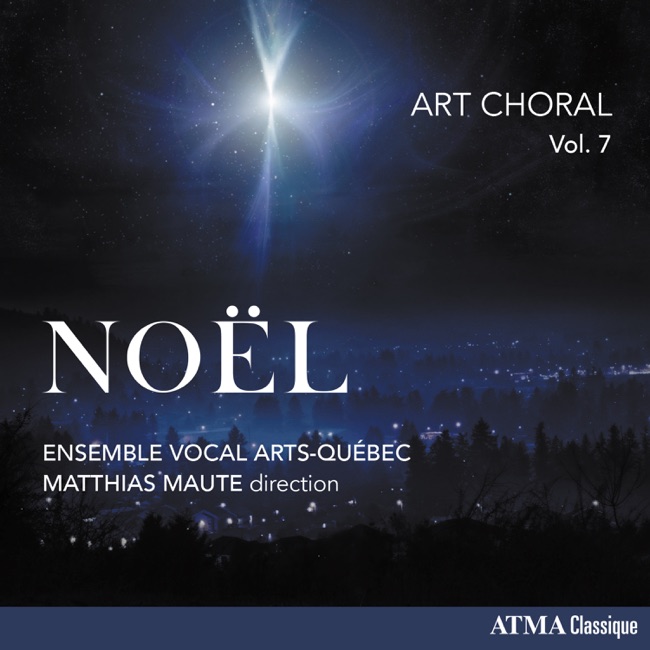 November 12, 2021
 -
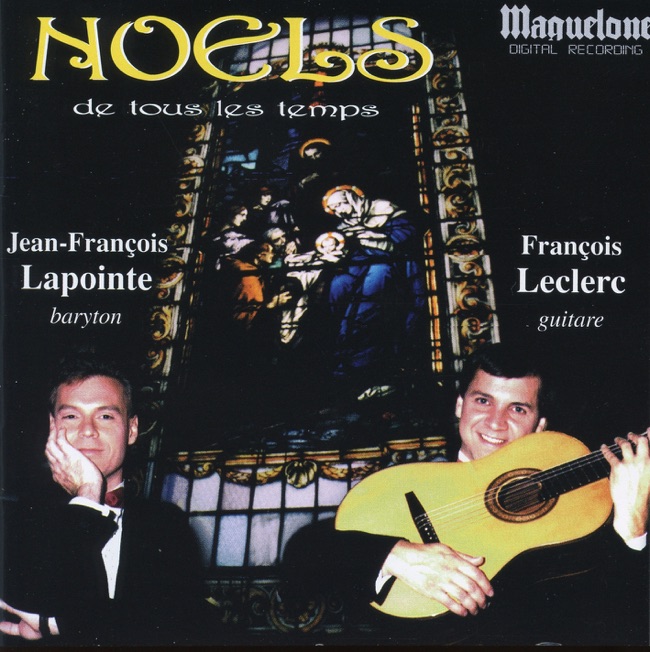 May 28, 2013
 -
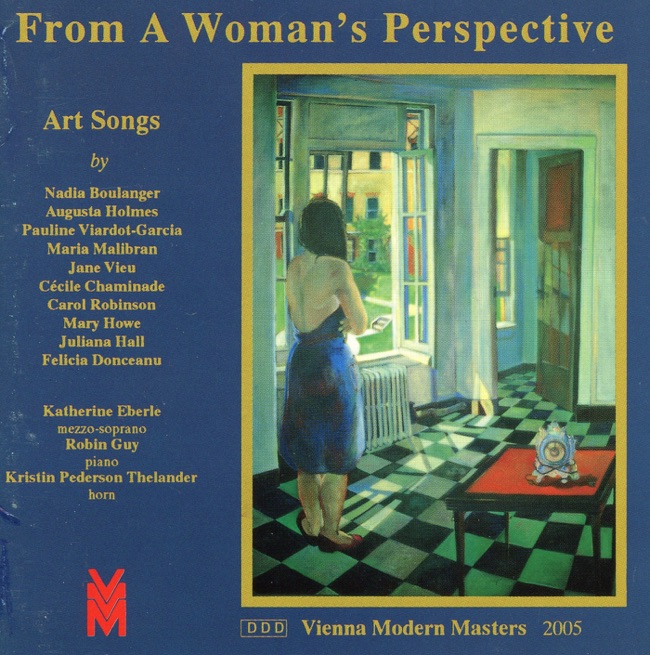 November 1, 2011
 -
 October 25, 2011
Orchestral
-
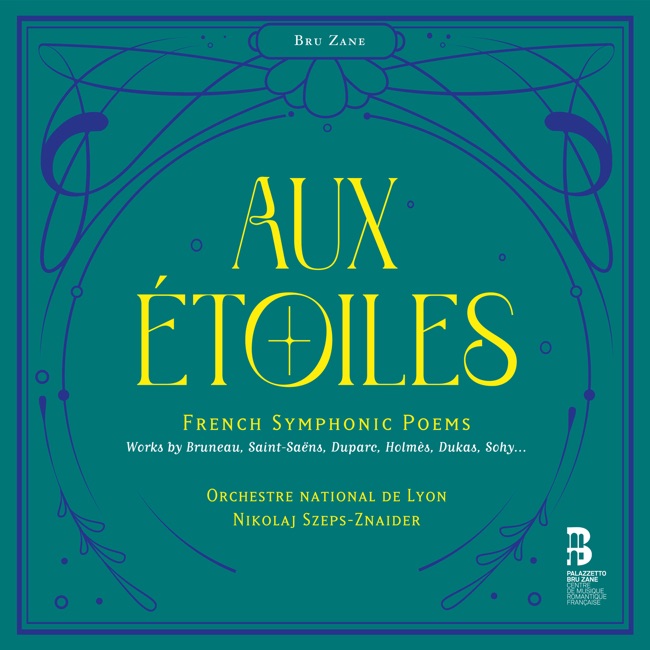 October 20, 2023
 -
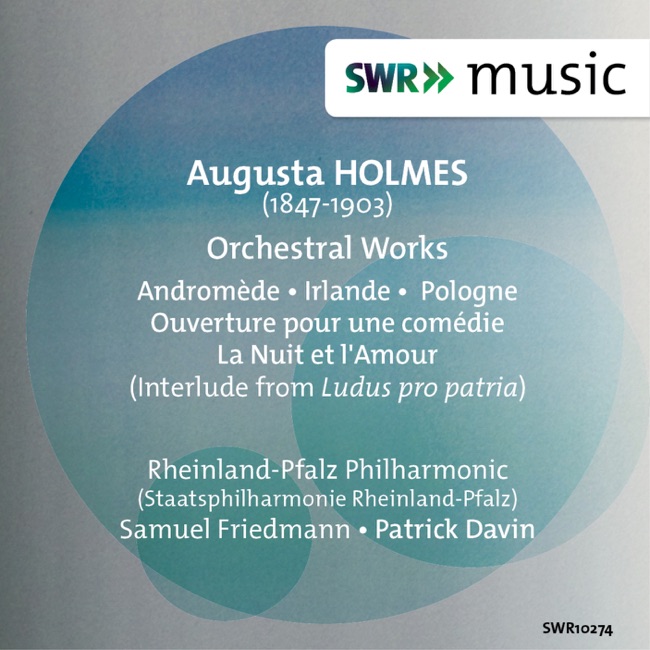 June 14, 1994
Vocal
-
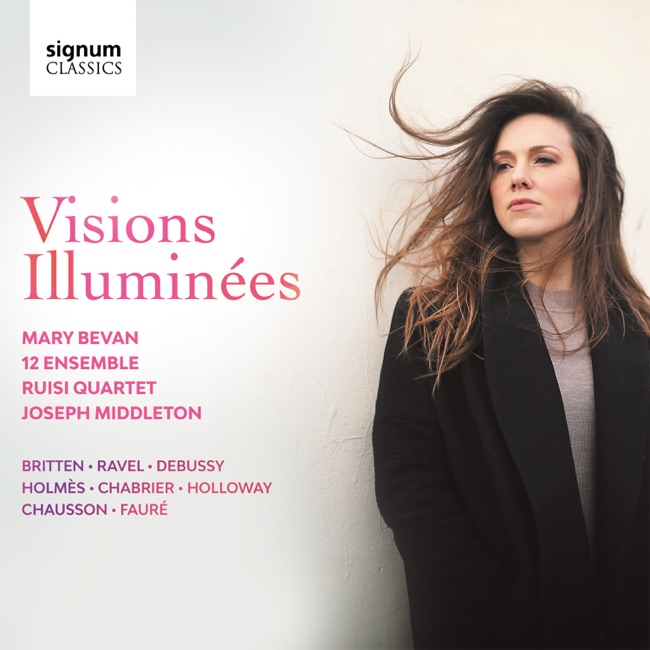 March 3, 2023
 -
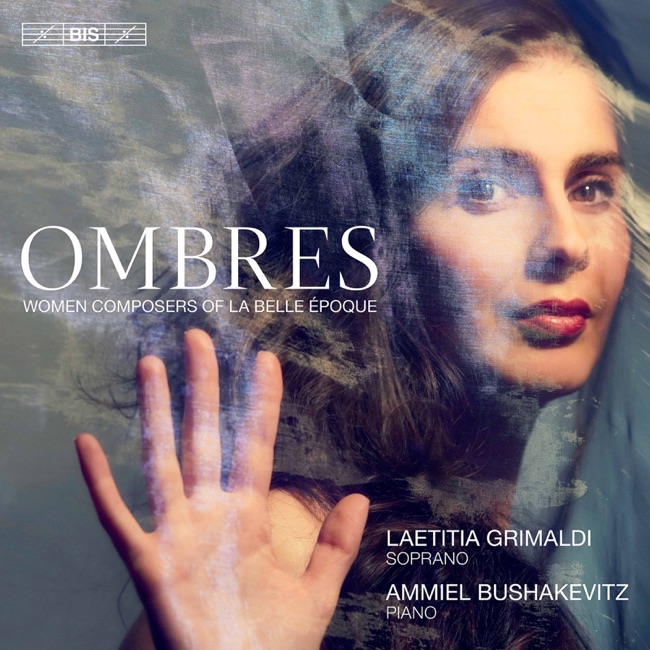 January 7, 2022
 -
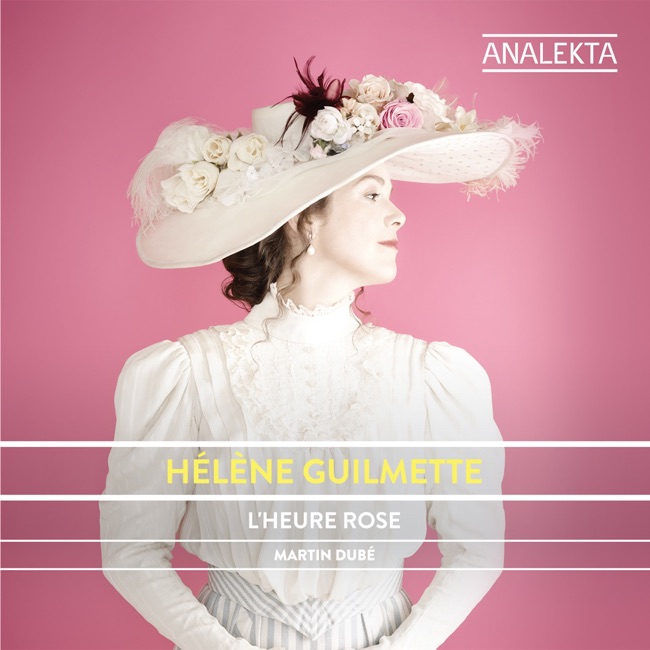 May 13, 2014
 -
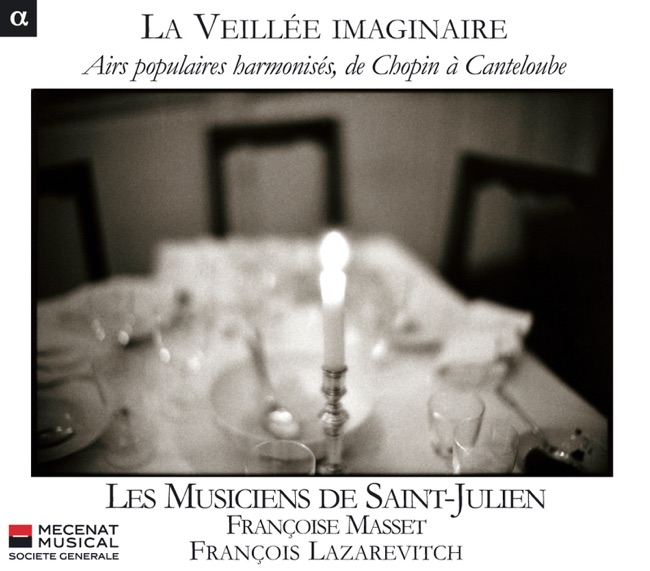 March 9, 2010
Chamber
-
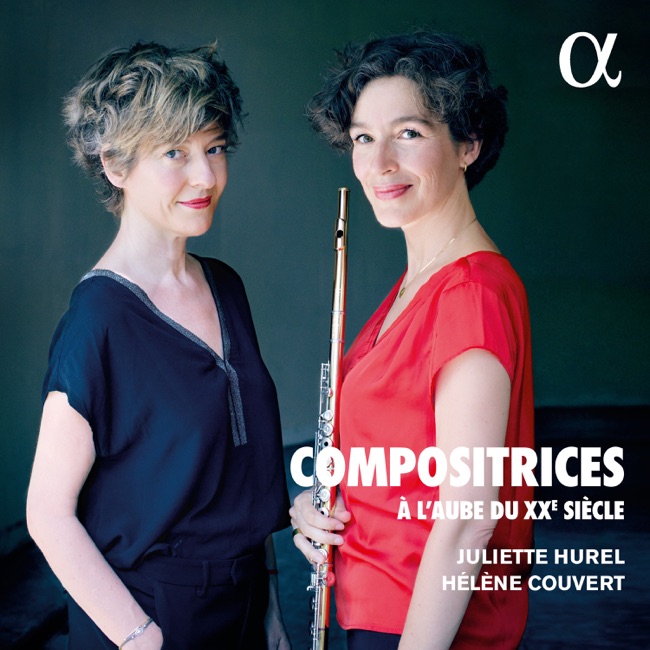 January 24, 2020
 -
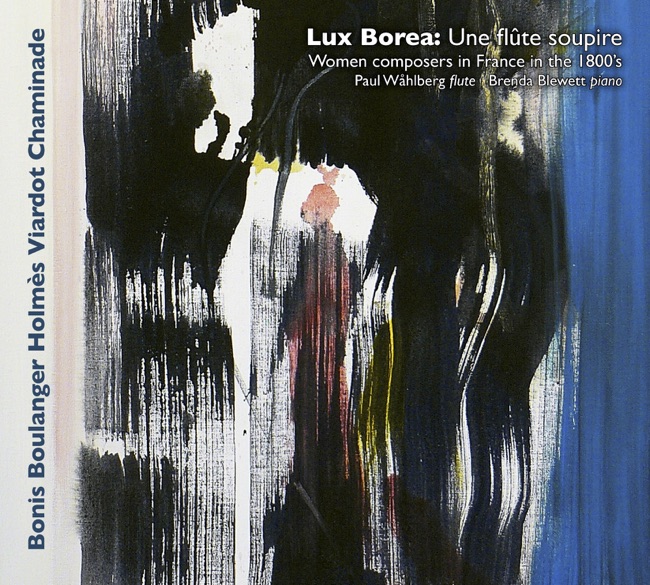 April 4, 2013
 -
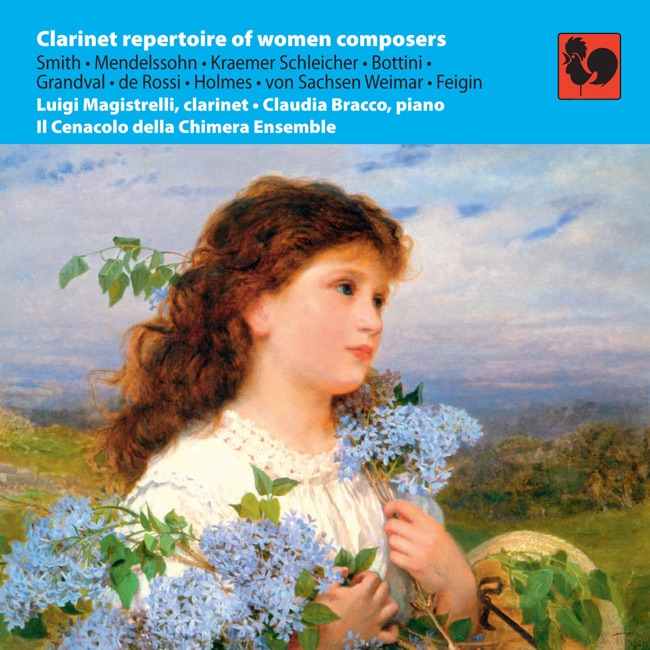 October 9, 2012
 -
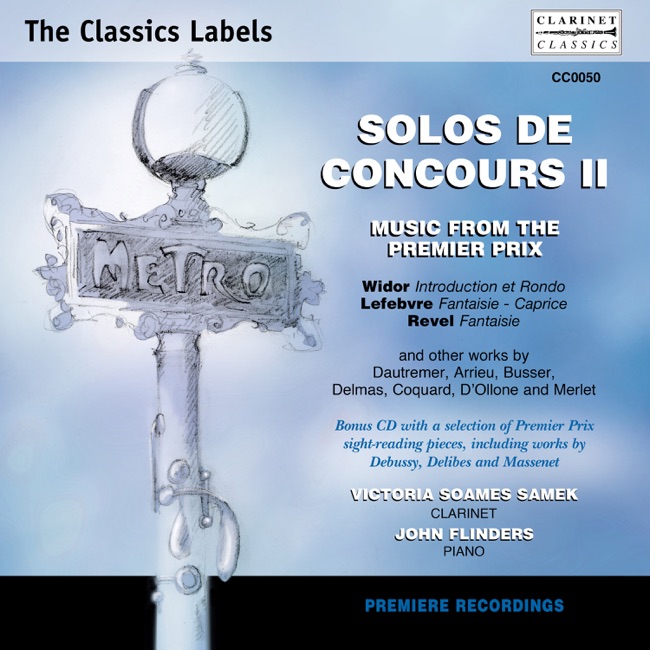 May 31, 2005
Artist Info
Role:ComposerCountry: FranceBirth:December 16, 1847 in Paris, FranceDeath:January 28, 1903 in Paris, FrancePeriod:RomanticGenre:OperaOrchestralAugusta Holmès was a French composer of Irish descent who lived from 1847 to 1903. She was born in Paris to a family of artists and musicians. Her father, Charles Holmès, was a painter, and her mother, Antoinette Holmès, was a singer. Augusta Holmès grew up in a creative environment that encouraged her to pursue her passion for music. At a young age, Augusta Holmès showed a talent for music. She began studying piano and composition with her mother, who was her first teacher. Later, she studied with the famous composer César Franck, who recognized her talent and encouraged her to pursue a career in music. Augusta Holmès composed her first works at the age of 15. Her early compositions were influenced by the Romantic style of the time, and she was particularly inspired by the works of Richard Wagner. She also drew inspiration from Irish folklore and mythology, which she incorporated into her music. In 1865, Augusta Holmès entered the Paris Conservatory, where she studied composition with Ambroise Thomas. She was the first woman to be admitted to the composition class at the Conservatory, and she faced discrimination and prejudice from her male classmates and teachers. Despite this, she persevered and graduated with honors in 1871. After graduating from the Conservatory, Augusta Holmès began to establish herself as a composer. She wrote a number of works for the piano, as well as songs and chamber music. Her music was well-received by critics and audiences, and she began to gain a reputation as a talented composer. In 1874, Augusta Holmès composed her first major work, the cantata "Lutèce." The piece was inspired by the history of Paris, and it was performed at the Paris World Exhibition. The performance was a great success, and it established Augusta Holmès as a major composer. Over the next few years, Augusta Holmès continued to compose works that were inspired by French history and mythology. She wrote a number of cantatas, including "Irlande," "Pologne," and "La Vision de la Reine." She also composed a symphony, which was performed by the Paris Conservatory Orchestra in 1886. Augusta Holmès was known for her innovative approach to composition. She was one of the first composers to use chromaticism and dissonance in her music, and she was also one of the first composers to use the orchestra in a more expressive and emotional way. Her music was often described as passionate and intense, and it was praised for its originality and creativity. Despite her success as a composer, Augusta Holmès faced many challenges as a woman in the male-dominated world of classical music. She was often criticized for her gender, and she faced discrimination and prejudice from her male colleagues. She also struggled to gain recognition for her work, and she was often overshadowed by her male contemporaries. Despite these challenges, Augusta Holmès continued to compose music throughout her life. She wrote a number of operas, including "La Montagne Noire" and "La Vision de la Reine," as well as a ballet, "La Source." She also continued to write songs and chamber music, and she remained an important figure in the French music scene until her death in 1903. Today, Augusta Holmès is recognized as an important composer who made significant contributions to the development of French music.More....


Recommend Playlist


Copyright Ⓒ 2013 Davinci Finger. All rights reseved
Service Terms & Policy