


Alan Beeler
Released Album
Orchestral
-
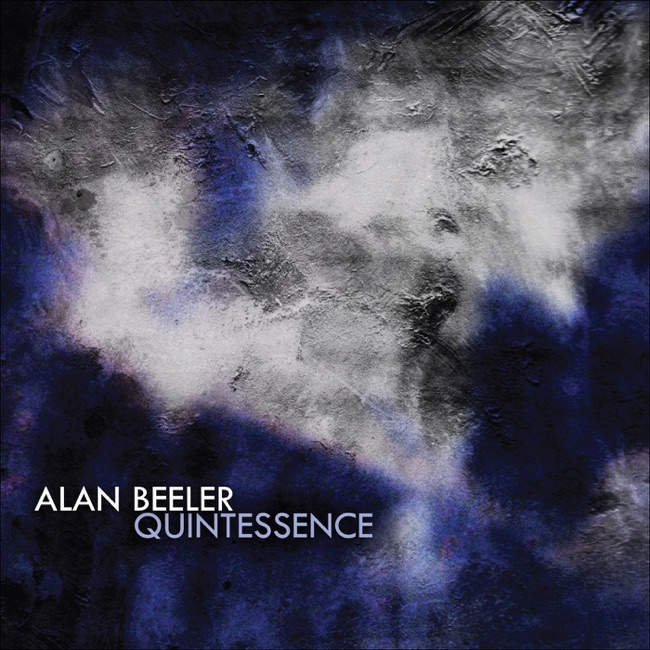 January 26, 2010
Concerto
-
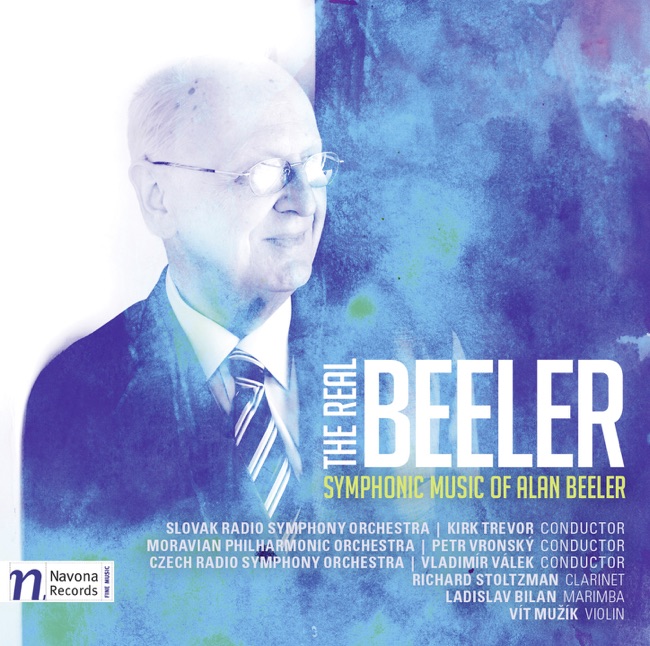 October 14, 2014
Artist Info
Role:ComposerAlan Beeler was an American composer of classical music, born on May 22, 1939, in San Francisco, California. He grew up in a musical family, with his father being a pianist and his mother a singer. Beeler began playing the piano at a young age and showed a natural talent for music. He attended the San Francisco Conservatory of Music, where he studied composition with Roger Nixon and piano with Adolph Baller. After completing his studies, Beeler moved to New York City, where he worked as a freelance composer and pianist. He also taught music at various schools and universities, including the Manhattan School of Music and the University of California, Berkeley. Beeler's early compositions were influenced by the serialism and atonality of the mid-20th century, but he later developed a more tonal and lyrical style. One of Beeler's most significant works is his Symphony No. 1, which he composed in 1968. The symphony is in three movements and features a large orchestra, including a full complement of percussion instruments. The first movement is marked by its driving rhythms and dissonant harmonies, while the second movement is more introspective and features a haunting melody played by the strings. The final movement is a lively and energetic dance, with a memorable theme played by the brass section. Beeler's other orchestral works include his Concerto for Piano and Orchestra, which he composed in 1972. The concerto is in three movements and features a virtuosic piano part, which Beeler himself performed in the premiere. The first movement is marked by its rhythmic complexity and jazzy harmonies, while the second movement is a lyrical and introspective adagio. The final movement is a lively and energetic rondo, with a memorable theme played by the piano and orchestra. In addition to his orchestral works, Beeler also composed a number of chamber music pieces. One of his most notable chamber works is his String Quartet No. 1, which he composed in 1976. The quartet is in four movements and features a wide range of moods and textures. The first movement is marked by its driving rhythms and angular melodies, while the second movement is a lyrical and introspective adagio. The third movement is a lively and energetic scherzo, while the final movement is a fast and frenetic finale. Beeler's music has been performed by many orchestras and ensembles, including the San Francisco Symphony, the New York Philharmonic, and the Kronos Quartet. He received numerous awards and honors throughout his career, including a Guggenheim Fellowship and a grant from the National Endowment for the Arts. Beeler continued to compose music until his death on December 28, 2017, at the age of 78. His legacy as a composer of classical music lives on through his many works, which continue to be performed and admired by musicians and audiences around the world.More....
Recent Artist Music

Copyright Ⓒ 2013 Davinci Finger. All rights reseved
Service Terms & Policy