


Alberto Williams
Released Album
Keyboard
-
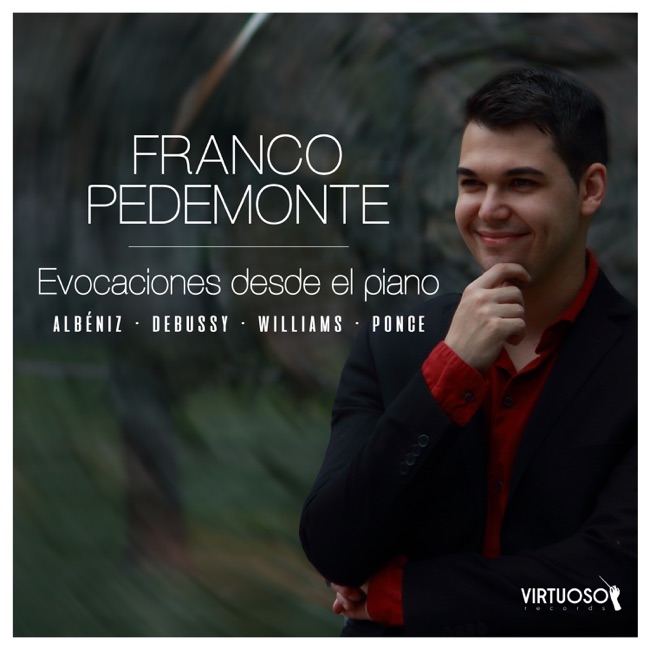 April 26, 2024
 -
 August 23, 2019
 -
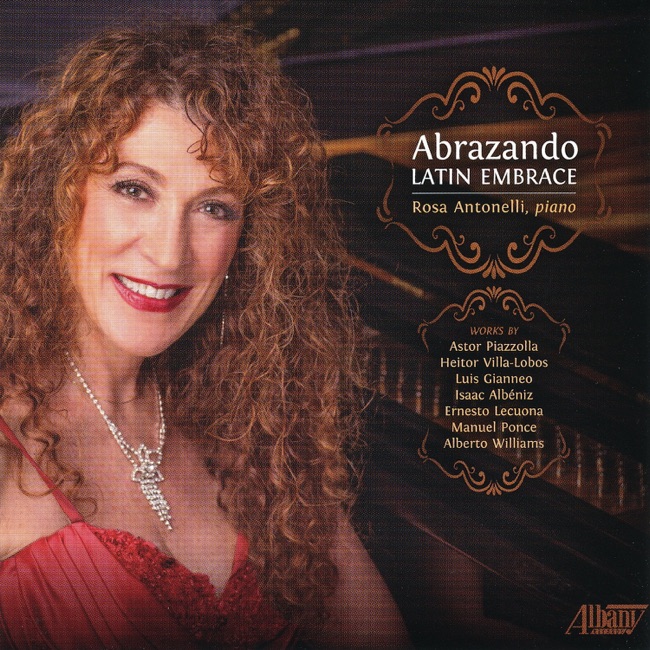 June 2, 2015
 -
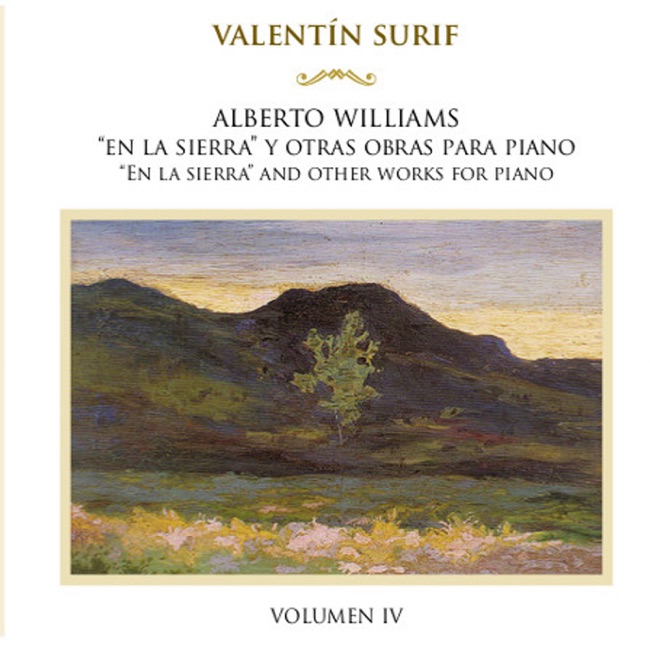 November 19, 2013
 -
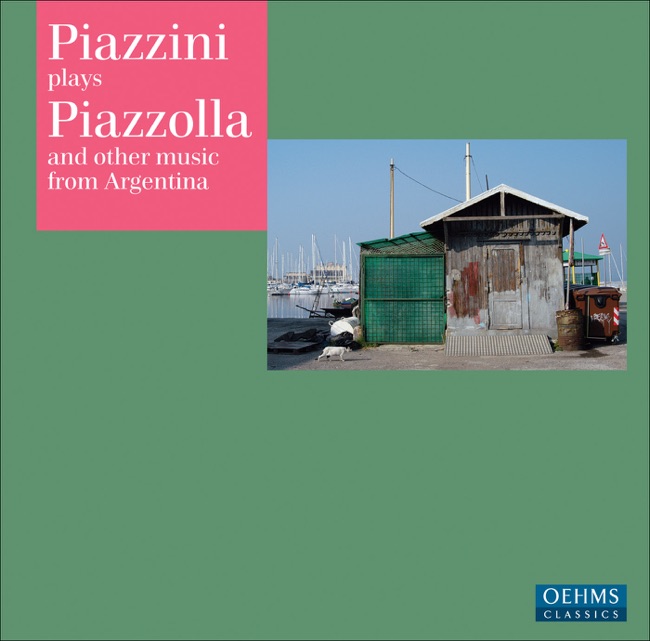 March 30, 2010
 -
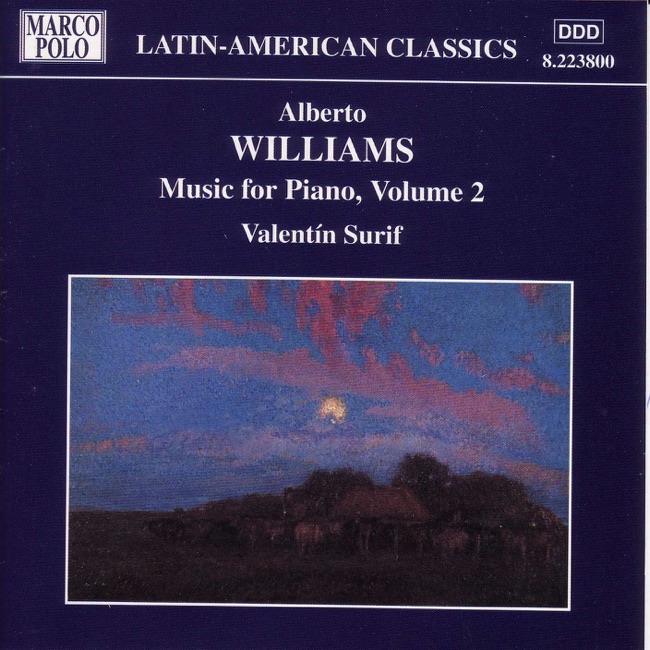 August 15, 2000
Vocal
-
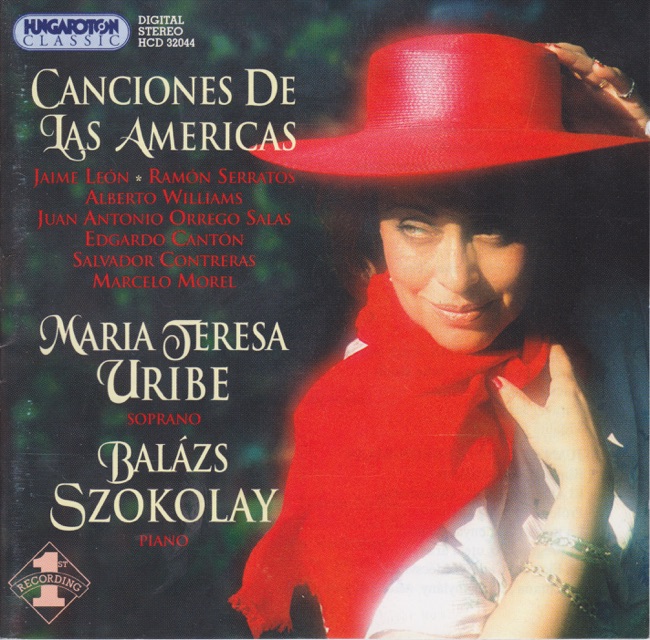 January 5, 2002
Orchestral
-
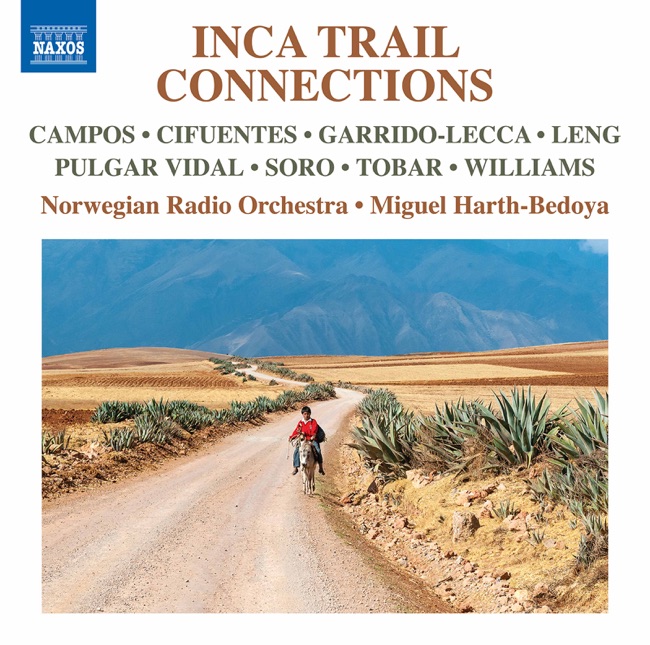 April 23, 2021
 -
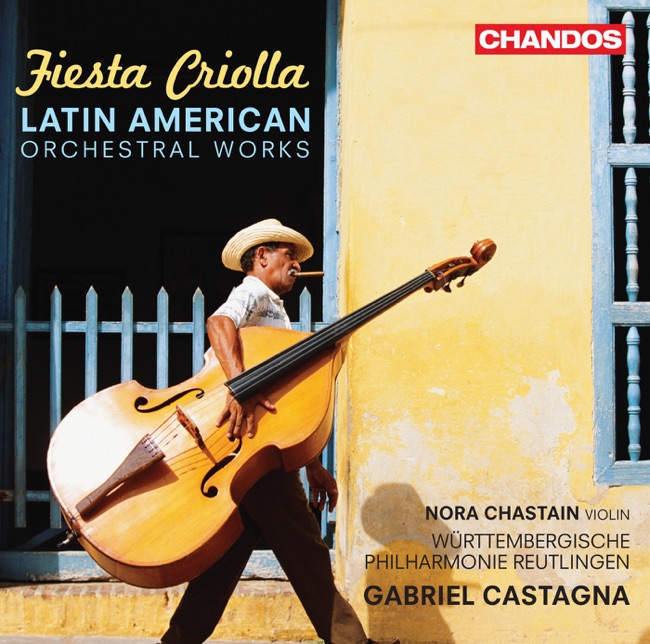 June 17, 2011
Artist Info
Role:ComposerCountry: ArgentinaBirth:November 23, 1862Death:June 17, 1952Period:ModernGenre:KeyboardOrchestralSymphonyAlberto Williams was a prominent Argentine composer of classical music. He was born on July 23, 1862, in Buenos Aires, Argentina. Williams was the son of a Scottish father and an Argentine mother. His father was a successful businessman who had settled in Argentina, and his mother was a pianist who had studied in Europe. Williams grew up in a musical family and showed an early interest in music. Williams began his musical education at the age of six, studying piano with his mother. He later studied with other prominent pianists in Buenos Aires, including Carlos Guastavino and Vicente Scaramuzza. Williams also studied composition with the Italian composer Leopoldo Mugnone. In 1881, Williams traveled to Europe to continue his musical studies. He studied piano with Franz Liszt in Weimar, Germany, and composition with Antonín Dvořák in Prague, Czech Republic. Williams also studied with other prominent composers, including Camille Saint-Saëns in Paris, France, and Giuseppe Martucci in Naples, Italy. Williams returned to Argentina in 1885 and began a successful career as a composer and pianist. He became a professor of piano and composition at the National Conservatory of Music in Buenos Aires, where he taught many of the leading musicians of his time. Williams also founded the Argentine Society of Composers in 1900, which helped to promote the work of Argentine composers. Williams composed a wide range of music, including orchestral works, chamber music, piano music, and songs. His music was influenced by the European classical tradition, but also incorporated elements of Argentine folk music. Williams was particularly interested in the music of the gauchos, the cowboys of the Argentine pampas, and he incorporated their rhythms and melodies into his compositions. One of Williams' most famous works is his Symphony No. 1 in C minor, which he composed in 1891. The symphony is a large-scale work that reflects Williams' interest in the music of the gauchos. The first movement is based on a gaucho dance called the malambo, and the second movement is based on a folk song called "La Pampa." The symphony was well-received when it was premiered in Buenos Aires in 1892, and it helped to establish Williams as one of the leading composers of his time. Williams also composed a number of chamber works, including string quartets, piano trios, and sonatas. His String Quartet No. 1 in G minor, composed in 1896, is one of his most popular chamber works. The quartet is a lyrical and expressive work that showcases Williams' skill as a composer of chamber music. In addition to his instrumental music, Williams also composed a number of songs. His song cycle Canciones Argentinas, composed in 1904, is a collection of songs based on Argentine folk melodies. The songs are simple and direct, and they capture the spirit of the Argentine countryside. Williams continued to compose and perform throughout his life, and he remained an important figure in the Argentine musical world until his death in 1952. His music continues to be performed and recorded today, and he is remembered as one of the most important composers in the history of Argentine classical music.More....
Recent Artist Music

7

4:40
8
4:23

Copyright Ⓒ 2013 Davinci Finger. All rights reseved
Service Terms & Policy