


Allan Crossman
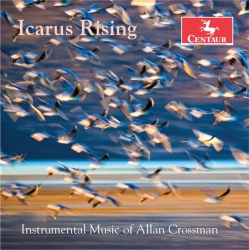
Released Album
Chamber
-
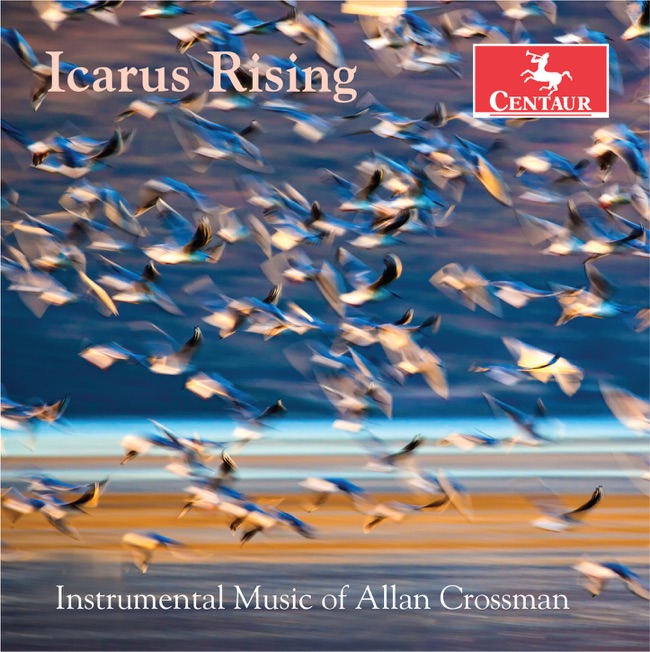 August 14, 2020
 -
 September 9, 2016
 -
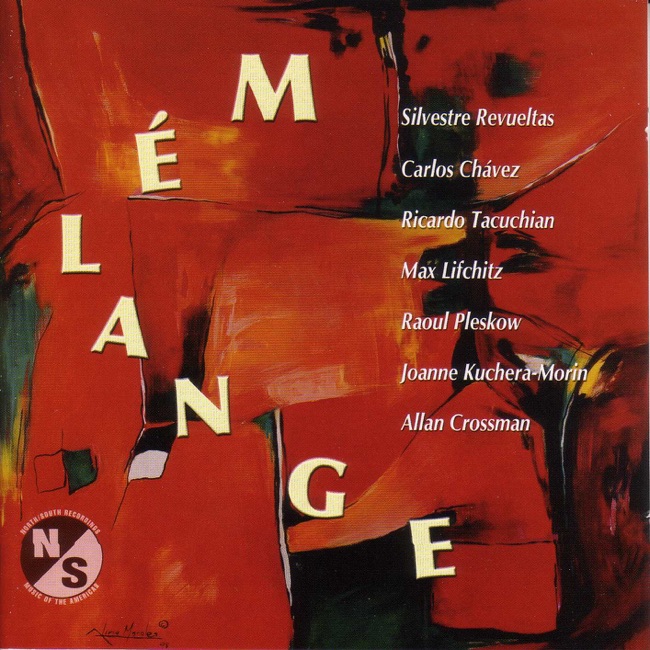 July 27, 2004
 -
 March 25, 2003
Keyboard
-
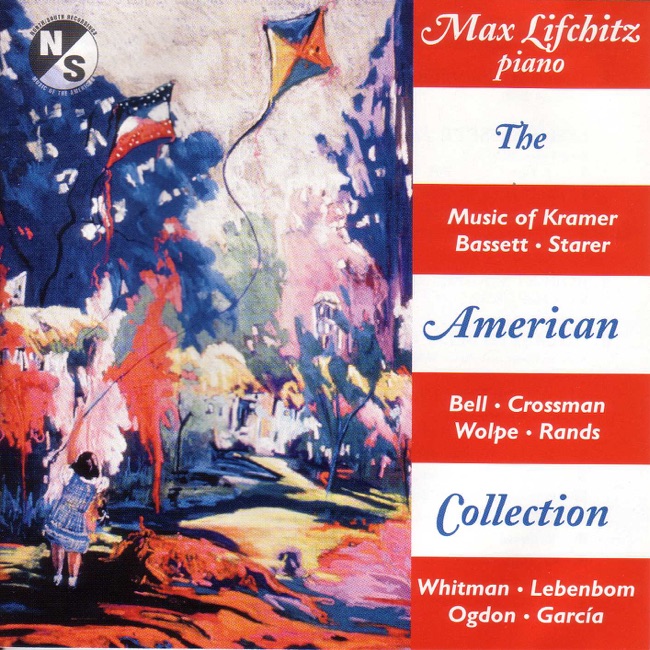 February 3, 1998
Artist Info
Role:Composer ConductorPeriod:ContemporaryGenre:KeyboardOrchestralAllan Crossman was a renowned classical music composer who was born on May 12, 1925, in London, England. He was the youngest of three children born to a family of musicians. His father was a violinist, and his mother was a pianist. From a young age, Crossman showed a keen interest in music and began playing the piano at the age of four. Crossman's parents recognized his talent and encouraged him to pursue a career in music. He began taking piano lessons and later studied composition at the Royal Academy of Music in London. During his time at the academy, Crossman was exposed to a wide range of musical styles, including classical, jazz, and contemporary music. After completing his studies, Crossman began working as a freelance composer and pianist. He composed music for a variety of mediums, including film, television, and theater. His early works were heavily influenced by the classical music of the Romantic era, particularly the works of composers such as Beethoven and Brahms. In the 1950s, Crossman began to experiment with more contemporary styles of music, including serialism and atonality. His compositions during this period were characterized by their complex harmonies and unconventional structures. Despite the challenges of these new styles, Crossman continued to receive critical acclaim for his work. One of Crossman's most notable works from this period was his Piano Sonata No. 1, which was premiered in 1956. The piece was praised for its innovative use of harmony and rhythm, and it established Crossman as a leading figure in the contemporary classical music scene. Throughout the 1960s and 1970s, Crossman continued to push the boundaries of classical music. He experimented with electronic music and incorporated elements of jazz and rock into his compositions. His works during this period were characterized by their bold, experimental sound and their exploration of new musical forms. One of Crossman's most famous works from this period was his Symphony No. 3, which was premiered in 1972. The piece was a departure from Crossman's earlier works, featuring a more experimental sound and a greater emphasis on rhythm and texture. The symphony was widely praised for its innovative approach to classical music and its incorporation of contemporary musical styles. In addition to his work as a composer, Crossman was also a respected pianist. He performed regularly throughout his career, both as a soloist and as part of chamber ensembles. His performances were known for their technical precision and emotional depth, and he was widely regarded as one of the finest pianists of his generation. Crossman's career spanned over six decades, and he continued to compose and perform music well into his later years. He received numerous awards and honors throughout his career, including the Order of the British Empire in 1985 and the Queen's Medal for Music in 2002. Allan Crossman passed away on June 15, 2010, at the age of 85. He left behind a legacy of innovative and groundbreaking music that continues to inspire and influence musicians today. His contributions to the world of classical music have earned him a place among the greatest composers of the 20th century.More....
Recent Artist Music
1
3:4

Copyright Ⓒ 2013 Davinci Finger. All rights reseved
Service Terms & Policy