


Norman O'Neill
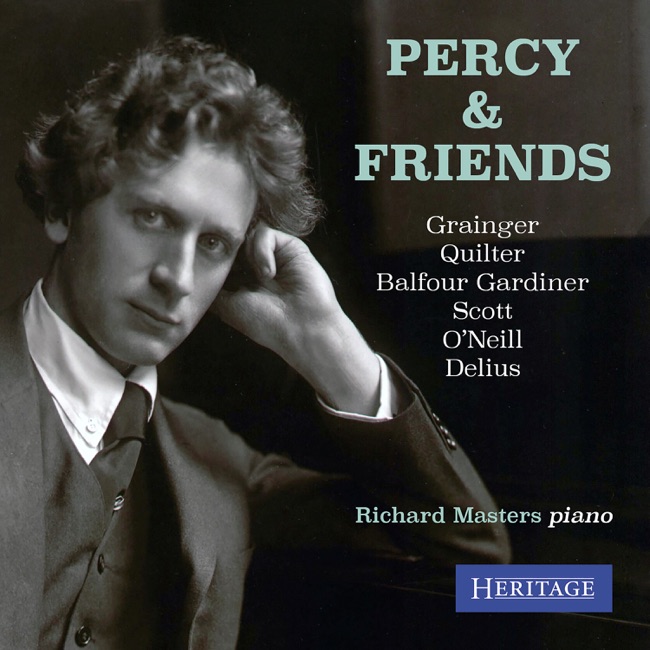
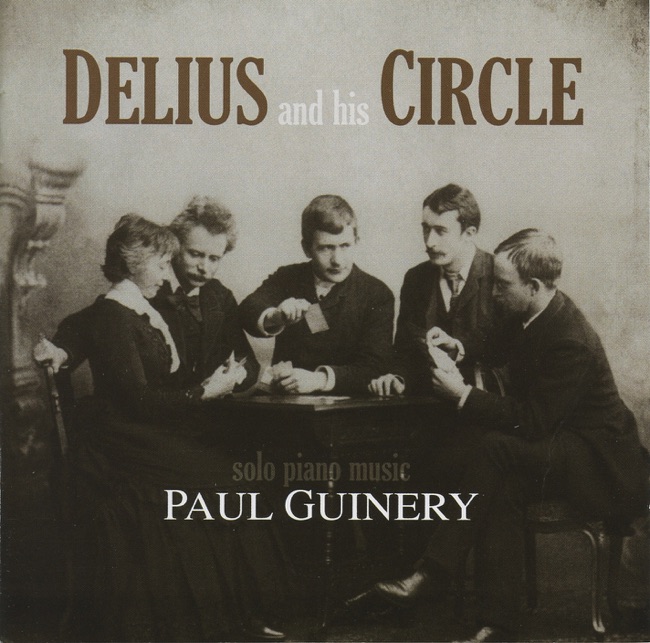
Artist Info
Role:Composer ConductorNorman O'Neill was a British composer and pianist who was born on March 14, 1875, in London, England. He was the son of a music teacher and grew up in a musical family. His father, Walter O'Neill, was a violinist and conductor, and his mother, Mary Ann O'Neill, was a pianist. Norman showed an early interest in music and began playing the piano at a young age. O'Neill studied at the Royal Academy of Music in London, where he was a pupil of Frederick Corder and Tobias Matthay. He also studied composition with Charles Villiers Stanford. O'Neill was a talented pianist and won several prizes for his performances at the Academy. He also began composing music while he was a student. After completing his studies, O'Neill worked as a pianist and conductor in London. He also continued to compose music, and his works began to gain recognition. In 1903, he won the prestigious Mendelssohn Scholarship, which allowed him to study in Germany with Max Bruch and Felix Weingartner. O'Neill's early compositions were influenced by the Romantic style of music, but he later developed his own unique style. He was particularly interested in the music of Debussy and Ravel, and their influence can be heard in some of his later works. One of O'Neill's most famous works is his Piano Concerto in A minor, which he composed in 1904. The concerto is a virtuosic work that showcases O'Neill's skills as a pianist and composer. It was premiered in London in 1905 and was well-received by audiences and critics. O'Neill also composed several operas, including The Blue Bird, which was based on a play by Maurice Maeterlinck. The opera was premiered in London in 1913 and was a critical success. O'Neill's other operas include The Haunted Tower and The Nightingale and the Rose. In addition to his operas and piano concerto, O'Neill composed a variety of other works, including orchestral pieces, chamber music, and songs. Some of his most notable works include the orchestral suite The Dance of Life, the String Quartet in A minor, and the song cycle Songs of the Sea. O'Neill was also a respected music critic and wrote for several publications, including The Times and The Musical Times. He was a strong advocate for modern music and was particularly interested in the music of Debussy and Ravel. During World War I, O'Neill served in the British Army and was wounded in battle. After the war, he continued to compose music and was appointed a professor of composition at the Royal Academy of Music in 1920. O'Neill's later works were more experimental and showed his interest in modernism. He was particularly interested in the use of dissonance and unconventional harmonies. Some of his later works include the ballet The Lady of Shalott and the opera The Sun. Despite his success as a composer, O'Neill's personal life was marked by tragedy. His wife, the pianist Adine O'Neill, died in 1918, and his son, the composer and conductor Denis O'Neill, died in 1943. Norman O'Neill died on March 3, 1934, at the age of 58. He was a talented composer and pianist who made significant contributions to the world of classical music. His works continue to be performed and recorded today, and he is remembered as one of the leading British composers of the early 20th century.More....
Recent Artist Music
Copyright Ⓒ 2013 Davinci Finger. All rights reseved
Service Terms & Policy