


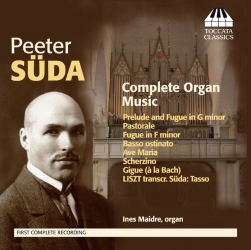
Peeter Süda
Released Album
Keyboard
-
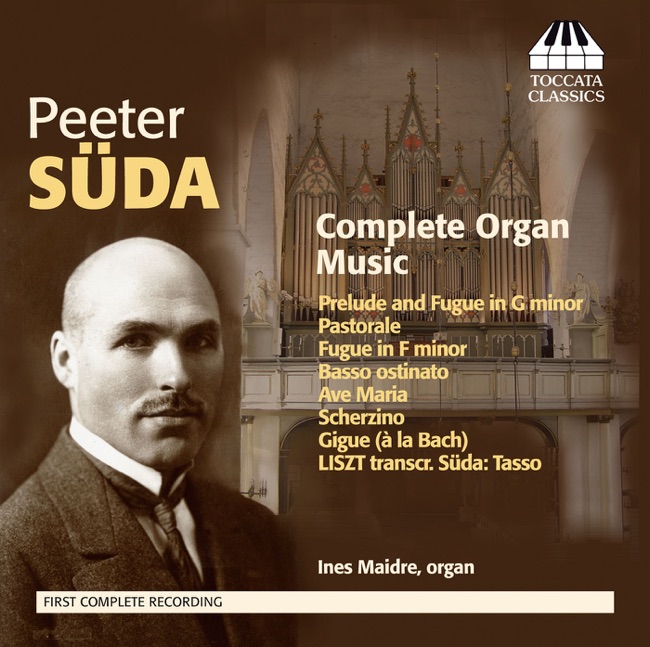 July 23, 2012
 -
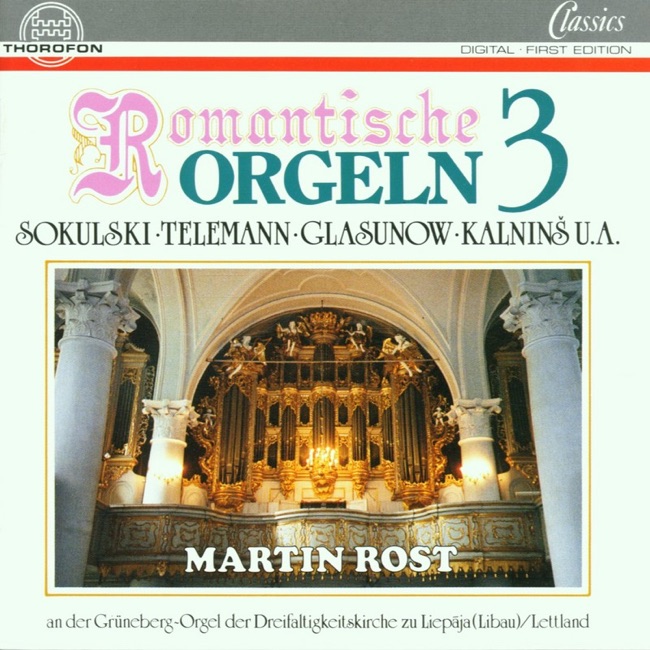 November 15, 2008
 -
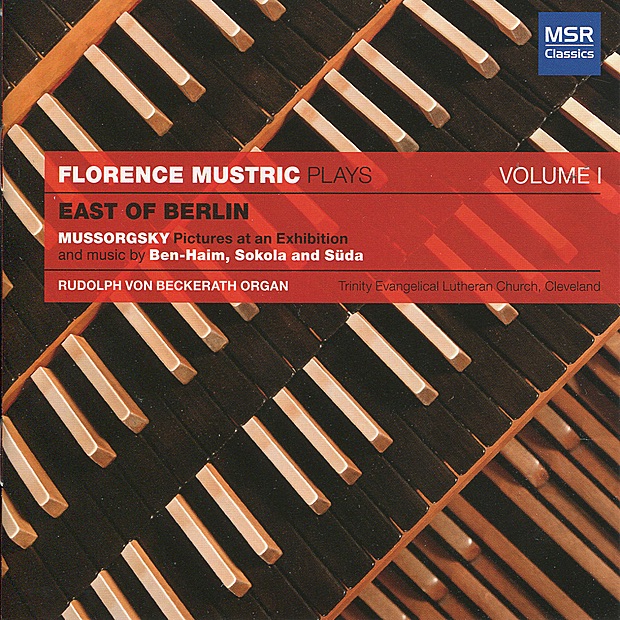 January 22, 2008
 -
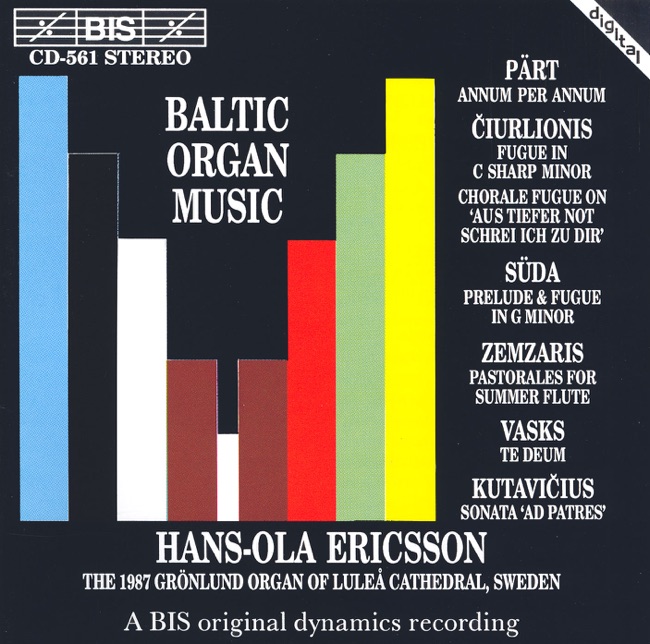 October 12, 1994
Artist Info
Role:ComposerCountry: EstoniaBirth:1883Death:1920Period:ModernGenre:KeyboardPeeter Süda was a renowned Estonian composer and organist who lived from 3 June 1883 to 12 October 1920. He was born in the small village of Käru in central Estonia, where his father was a schoolteacher and organist. Süda showed an early interest in music and began playing the organ at the age of 10. He received his first formal music education at the Tartu Music School, where he studied piano, organ, and composition. In 1902, Süda moved to St. Petersburg, Russia, to study at the St. Petersburg Conservatory. There, he studied under some of the most prominent composers of the time, including Nikolai Rimsky-Korsakov and Anatoly Lyadov. Süda's time at the conservatory was marked by his exceptional talent and dedication to his craft. He graduated with honors in 1908 and returned to Estonia to begin his career as a composer and organist. Süda's early compositions were heavily influenced by the Romantic style of music, which was popular at the time. His first major work, the cantata "Eesti laul" (Estonian Song), was written in 1909 and quickly gained popularity in Estonia. The piece was a celebration of Estonian culture and identity, and it helped establish Süda as a leading figure in the Estonian music scene. In addition to his work as a composer, Süda was also an accomplished organist. He served as the organist at several churches in Estonia, including the St. John's Church in Tartu and the St. Mary's Cathedral in Tallinn. Süda's organ playing was known for its technical virtuosity and emotional depth, and he was widely regarded as one of the finest organists of his time. Süda's most famous work is his "Requiem in C minor," which he composed in 1913. The piece was written in memory of Süda's father, who had passed away the previous year. The "Requiem" is a powerful and emotional work that showcases Süda's skill as a composer. The piece was premiered in Tartu in 1914 and was an immediate success. It has since become one of the most beloved works in the Estonian classical music repertoire. Süda's other notable works include his "Estonian Suite," which was composed in 1912 and is a tribute to Estonian folk music. The suite is comprised of five movements, each of which is based on a different Estonian folk song. The piece is a beautiful and evocative work that captures the spirit of Estonian culture. Another notable work by Süda is his "Organ Sonata in F minor," which he composed in 1914. The sonata is a complex and challenging work that showcases Süda's skill as an organist and composer. The piece is notable for its use of chromaticism and its intricate counterpoint. Despite his relatively short career, Süda left a lasting impact on the Estonian music scene. His works are still performed and celebrated today, and he is remembered as one of the most important composers in Estonian history. Süda's legacy is a testament to his talent and dedication to his craft, and his music continues to inspire and move audiences around the world.More....
Recent Artist Music
2
7:26
Copyright Ⓒ 2013 Davinci Finger. All rights reseved
Service Terms & Policy