


Algernon Ashton
Released Album
Chamber
-
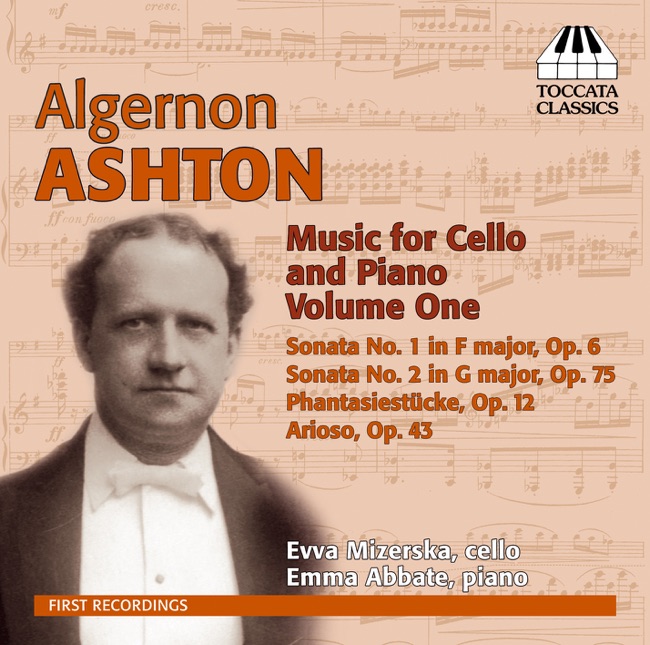 October 29, 2012
 -
 September 25, 2012
 -
 November 1, 1998
Keyboard
-
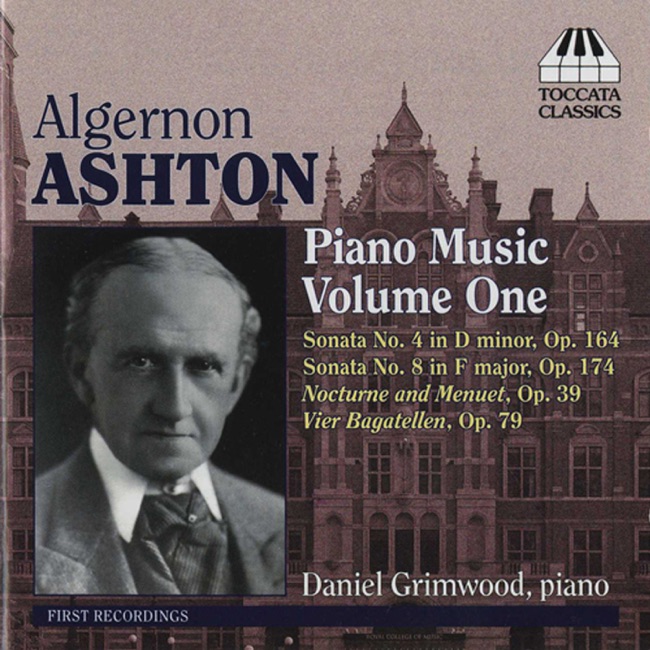 February 8, 2011
Artist Info
Role:ComposerBirth:1859Death:1937Genre:ChamberAlgernon Ashton was a British composer, pianist, and organist who lived from 1859 to 1937. He was born in Scarborough, England, to a family of musicians. His father, Thomas Barritt Ashton, was a music teacher and organist, and his mother, Mary Ann Ashton, was a singer. Algernon showed an early interest in music and began taking piano lessons at the age of six. Ashton's musical education continued at the Royal Academy of Music in London, where he studied piano, organ, and composition. He was a talented student and won several prizes for his compositions. After graduating from the Academy, he worked as a music teacher and organist in various churches in London. Ashton's early compositions were influenced by the Romantic style of the late 19th century. He wrote several works for piano, including a set of variations on a theme by Beethoven and a sonata in A minor. He also composed choral music, including a setting of the Magnificat and Nunc Dimittis for choir and organ. In the early 1900s, Ashton's style began to evolve. He became interested in the music of the French Impressionists, particularly Debussy and Ravel. He also began to incorporate elements of folk music into his compositions. This new style is evident in his orchestral works, such as the Suite for Orchestra and the Symphonic Poem "The Dream of Rosamond." Ashton's most famous work is his Piano Concerto in F minor, which he composed in 1903. The concerto is a virtuosic showcase for the soloist, with sweeping melodies and intricate passagework. It was premiered in London in 1904, with Ashton himself as the soloist. The concerto was well-received and established Ashton as a major composer. Ashton continued to compose throughout his life, but his output slowed in his later years. He suffered from poor health and financial difficulties, and his music fell out of fashion as new styles emerged. However, his contributions to British music were significant, and his works continue to be performed and recorded today. In addition to his compositions, Ashton was also a respected music critic and writer. He wrote articles for several music journals, including The Musical Times and The Musical Standard. He also wrote a book on the history of the piano, which was published in 1911. Ashton's legacy as a composer and musician is an important part of British music history. His works reflect the changing styles and influences of the early 20th century, and his contributions to the piano repertoire are particularly noteworthy. Despite the challenges he faced in his later years, his music remains a testament to his talent and dedication to his craft.More....
Recent Artist Music
Copyright Ⓒ 2013 Davinci Finger. All rights reseved
Service Terms & Policy