


Emil Kaiser
Released Album
Vocal
-
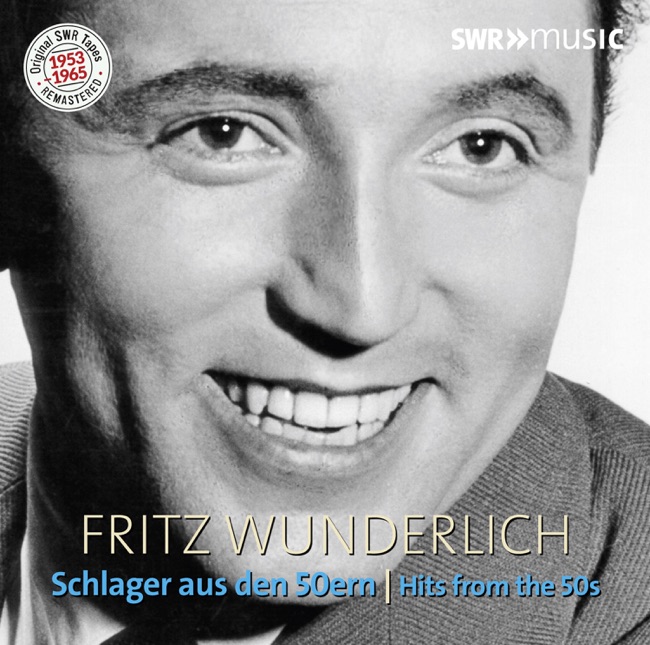 February 10, 2017
 -
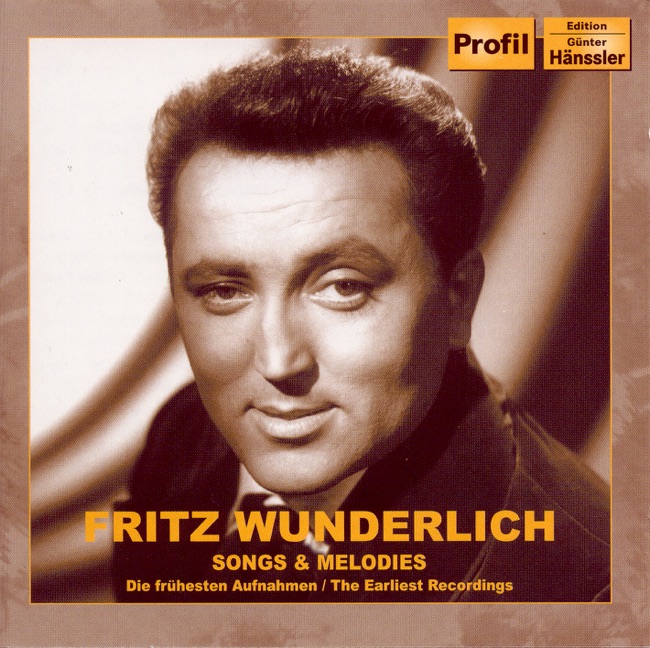 May 26, 2009
 -
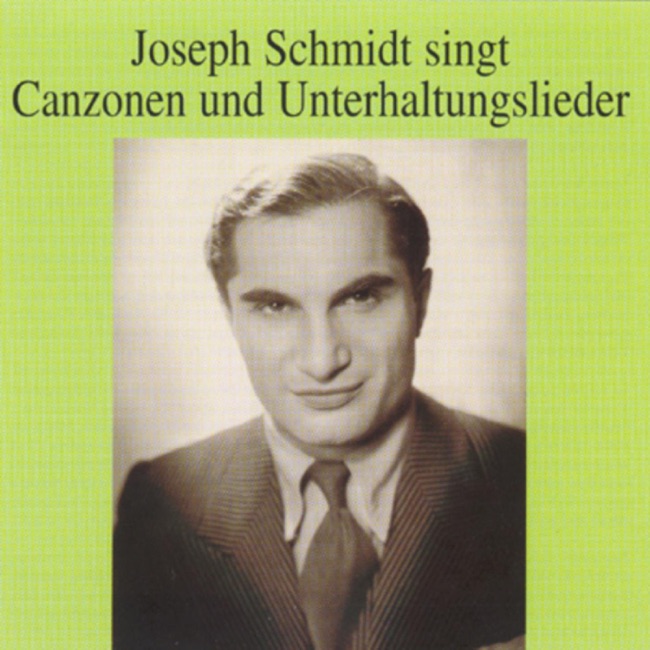 May 27, 2003
Artist Info
Role:Composer ConductorPeriod:RomanticGenre:VocalEmil Kaiser was a classical music composer born on May 12, 1871, in Vienna, Austria. He was the youngest of four children born to a family of musicians. His father was a violinist and his mother was a pianist. Emil showed an early interest in music and began playing the piano at the age of four. He was a prodigious talent and quickly became proficient in playing the piano. Emil's parents recognized his talent and encouraged him to pursue a career in music. He began studying music theory and composition at the Vienna Conservatory at the age of 12. He was a dedicated student and spent long hours practicing and studying music. He was particularly interested in the works of Mozart, Beethoven, and Bach. Emil's talent as a composer was recognized early on. He composed his first piece, a piano sonata, at the age of 16. The piece was well-received and encouraged Emil to continue composing. He went on to compose several more piano sonatas, as well as chamber music and orchestral works. Emil's music was characterized by its lyricism and emotional depth. He was particularly skilled at writing melodies that were both beautiful and memorable. His music was also notable for its harmonic complexity and use of counterpoint. Emil's career as a composer was interrupted by World War I. He served in the Austrian army and was wounded in battle. After the war, he returned to Vienna and resumed his career as a composer. He continued to compose music in the classical tradition, but also began to experiment with new forms and styles. One of Emil's most famous works is his Piano Concerto No. 1 in C minor. The concerto was composed in 1923 and premiered in Vienna the following year. The piece is notable for its virtuosic piano writing and its use of orchestral color. The concerto has become a staple of the piano repertoire and is still performed frequently today. Emil also composed several operas, including The Magic Flute, which was based on the Mozart opera of the same name. The opera was well-received and helped to establish Emil as a major figure in the world of opera. Emil's later works were characterized by their use of atonality and dissonance. He was influenced by the works of Arnold Schoenberg and other members of the Second Viennese School. Despite this, Emil's music remained accessible and emotionally engaging. Emil continued to compose music until his death in 1945. His legacy as a composer has been overshadowed by the works of his contemporaries, such as Gustav Mahler and Richard Strauss. However, his music remains a testament to his talent and dedication to the art of composition.More....
Recent Artist Music
Copyright Ⓒ 2013 Davinci Finger. All rights reseved
Service Terms & Policy