


Kikuko Kanai
Released Album
Keyboard
-
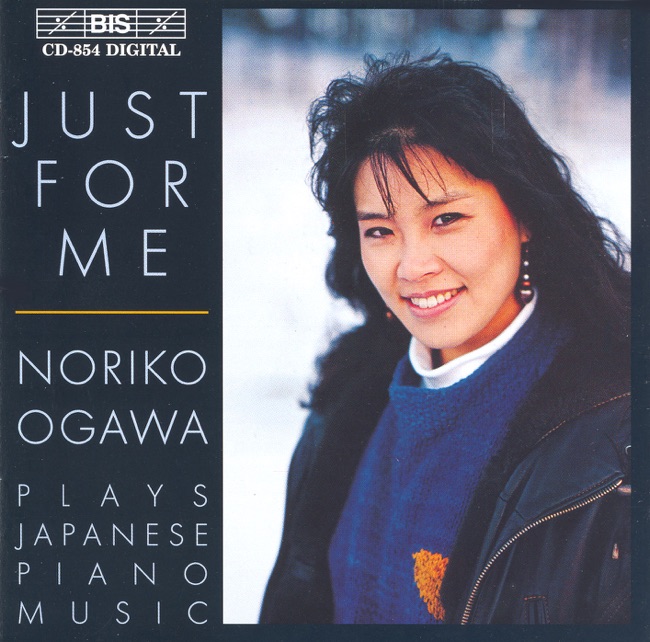 August 5, 2000
Chamber
-
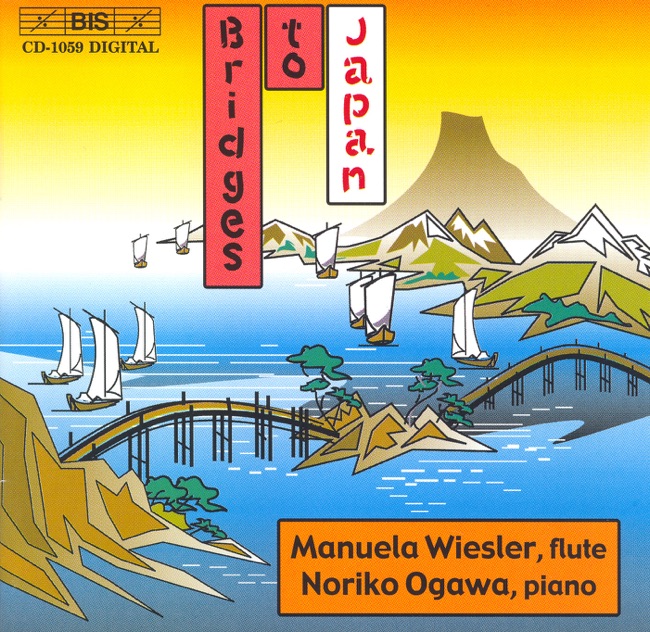 October 17, 2000
Artist Info
Role:ComposerBirth:1906Death:1986Period:ContemporaryGenre:ChamberKikuko Kanai was a Japanese classical music composer who was born on December 25, 1932, in Tokyo, Japan. She was the youngest of three children and grew up in a family that was passionate about music. Her father was a music teacher, and her mother was a pianist. Kanai's parents recognized her musical talent at a young age and encouraged her to pursue a career in music. Kanai began her musical education at the age of four when she started taking piano lessons. She showed great promise as a pianist and quickly progressed through her studies. At the age of 12, Kanai began studying composition with the renowned Japanese composer Akira Ifukube. Ifukube was impressed with Kanai's talent and took her under his wing, teaching her the fundamentals of composition and encouraging her to develop her own unique style. Kanai continued her studies at the Tokyo National University of Fine Arts and Music, where she studied composition with Tomojiro Ikenouchi. She graduated in 1955 with a degree in composition and went on to pursue a career as a composer. Kanai's early works were heavily influenced by the Western classical music tradition, particularly the works of Beethoven, Mozart, and Bach. She was also influenced by the works of Japanese composers such as Toru Takemitsu and Toshiro Mayuzumi. Kanai's early works were characterized by their use of traditional Western classical forms, such as sonatas and symphonies, but with a distinctly Japanese flavor. One of Kanai's early works, "Symphony No. 1," was premiered in 1958 by the Tokyo Philharmonic Orchestra. The symphony was well-received by audiences and critics alike and established Kanai as a rising star in the Japanese classical music scene. Throughout the 1960s and 1970s, Kanai continued to compose works that blended Western classical music with Japanese musical traditions. One of her most famous works from this period was "Koto Concerto," which was premiered in 1967 by the NHK Symphony Orchestra. The concerto featured the koto, a traditional Japanese stringed instrument, and showcased Kanai's ability to seamlessly blend Western and Japanese musical elements. In the 1980s, Kanai's style began to evolve, and she started incorporating more avant-garde and experimental elements into her compositions. One of her most famous works from this period was "Metamorphosis," which was premiered in 1985 by the Tokyo Metropolitan Symphony Orchestra. The piece was characterized by its use of unconventional instrumentation, including electronic instruments and percussion, and its complex, multi-layered textures. Kanai continued to compose throughout the 1990s and early 2000s, and her later works were characterized by their introspective and contemplative nature. One of her final works, "Requiem for the Victims of the Great East Japan Earthquake," was premiered in 2012, just months before her death. The piece was a tribute to the victims of the devastating earthquake and tsunami that struck Japan in 2011 and was widely praised for its emotional depth and sensitivity. Kanai's contributions to the world of classical music were significant, and she was widely regarded as one of Japan's most important composers. Her works were characterized by their unique blend of Western and Japanese musical traditions, and her ability to seamlessly integrate these elements into her compositions was a testament to her talent and skill as a composer. Kanai passed away on October 7, 2012, at the age of 79.More....
Copyright Ⓒ 2013 Davinci Finger. All rights reseved
Service Terms & Policy